
Ecotourism in the Philippines
The Philippines is one of the world’s most precious biodiversity hubs and an increasingly popular ecotourism destination. And no wonder. Its natural treasures include pristine coral reefs, ancient caves, idyllic beaches, and unique rock formations.
Sustainable tourism is helping to conserve these precious ecosystems and create awareness of the Philippines’ top ecotourism destinations. In recent decades, ecotourism has become an increasingly attractive option for eco-conscious travellers concerned about their carbon footprint.
Similarly, governments worldwide have embraced it as a means of generating income while promoting sustainability. And the Philippines is no exception. It is one of the world’s top 20 mega-biodiverse countries, giving it almost unlimited scope for conservation-based tourism. Lush rainforests, sparkling ocean, and over 7000 islands await the eco-conscious traveller. Here is our pick of the Philippines’ top ecotourism destinations.
1. Masungi Georeserve, Rizal
Just an hour’s drive from central Manila lies the Masungi Georeserve - a pristine wilderness of forests and unique rock formations. The government has protected the reserve since 2000, when a construction team noticed an unusual geological feature. After stumbling upon a cluster of massive jagged rocks, they explored the area further and found more of these stone pinnacle formations.
However, The park only opened to the public in 2015. Since then, Masungi has become a sanctuary for many endemic and endangered plants and animals. Furthermore, conservationists and tourists alike have given this exceptional biodiversity hub rave reviews. In 2019, the United Nations Tourism Association voted Masungi Georeserve one of the world’s most innovative and sustainable tourism initiatives.
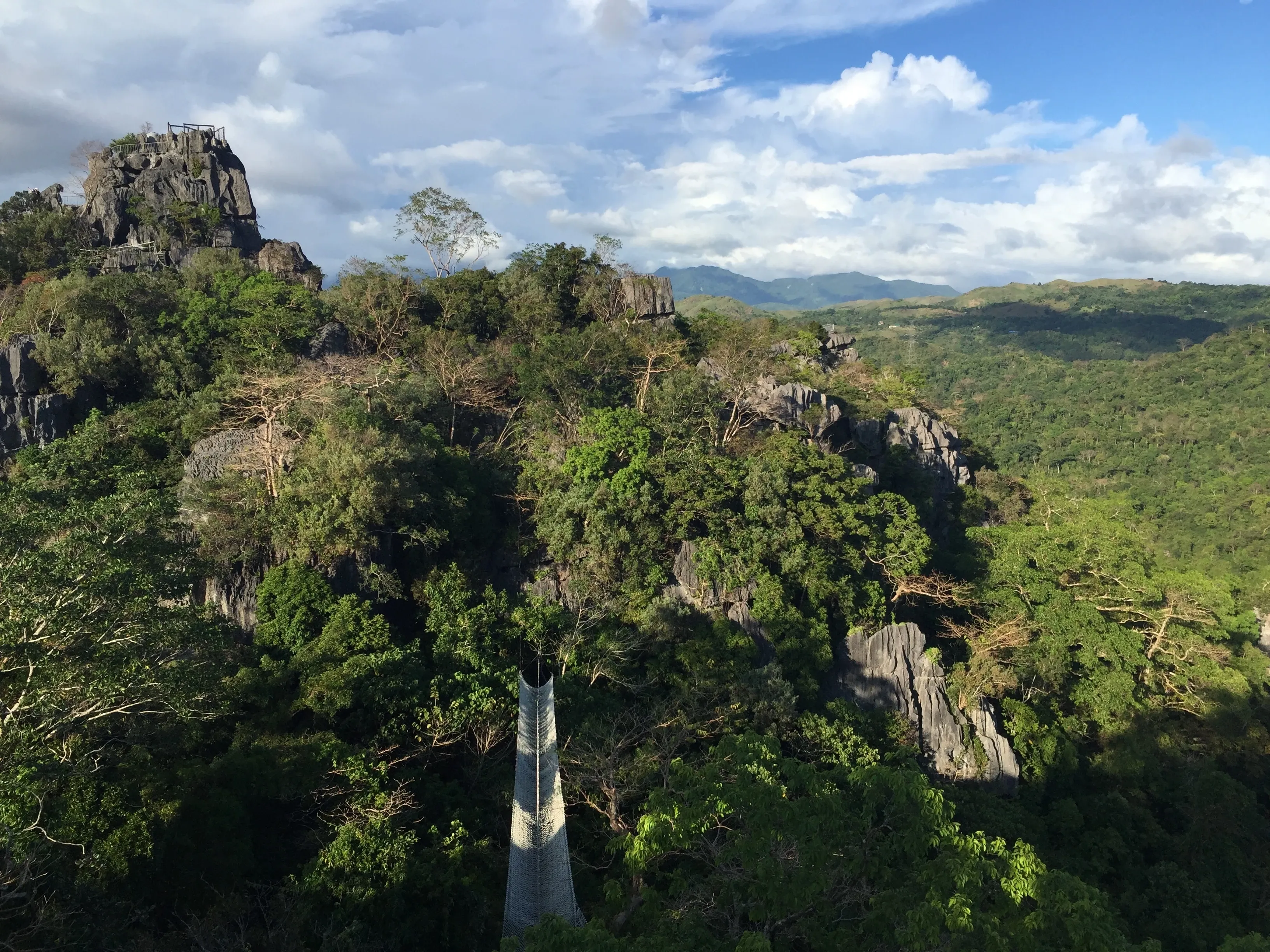
The Discovery Trail is arguably the reserve’s highlight. The hike takes three to four hours as a round trip and takes in the iconic Sapot Ni Ric vIewpoint. This web-like construction offers an uninterrupted view over the Sierra Madre Mountains and the park’s iconic rock formations.
Hiking in the Masungi Reserve also allows visitors to encounter its beautiful plants and animals. The birdlife is particularly exceptional and includes rare endemic species like the Philippine hawk eagle and indigo-banded kingfisher. Masungi Georeserve currently remains one of the Philippines’ top ecotourism destinations.
However, this pristine paradise faces grave threats from unscrupulous land prospectors and corrupt government agents. A small but dedicated team of conservationists and rangers currently protects the georeserve, despite the ever-present risk of a violent backlash.
2. Puerto Princesa Subterranean River National Park, Palawan
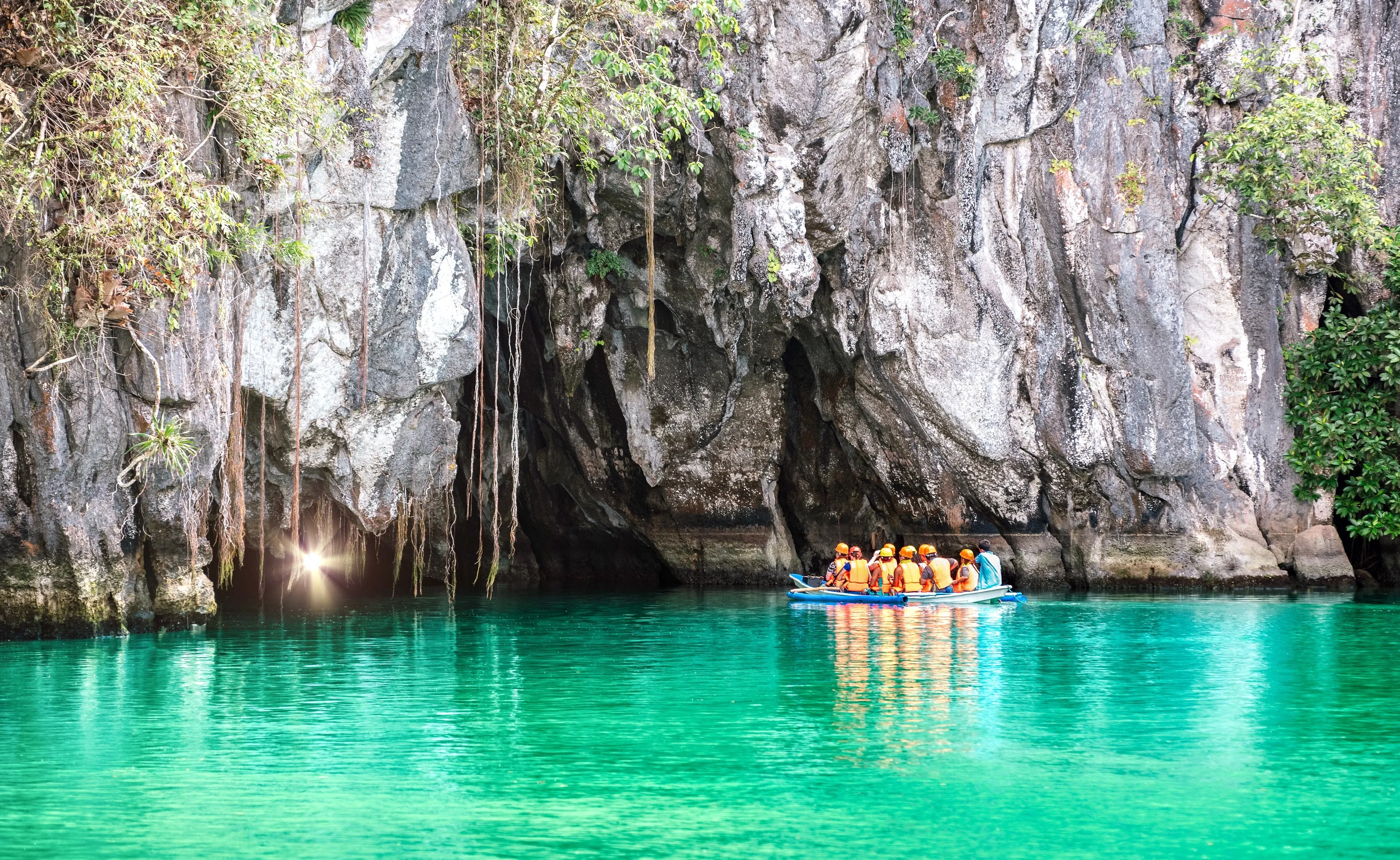
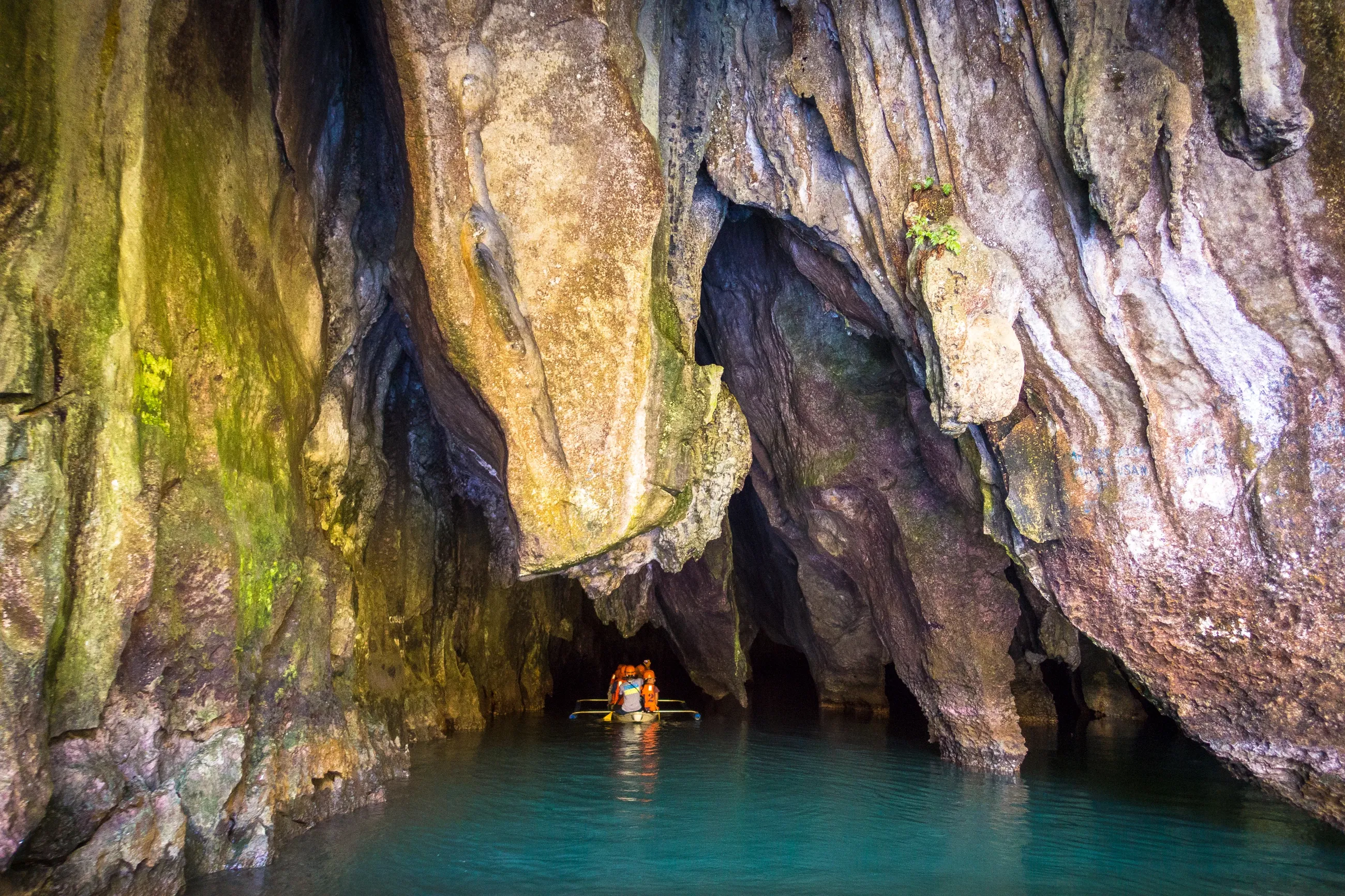
This national park is one of the Philippines’ top ecotourism destinations due to its 8.2-kilometre underground river. The river winds through a vast cavern system featuring glittering limestone formations, sheer cliffs, and crystal-clear waters. It is navigable for up to 4.3 kilometres, making it the world’s longest-known underground river. Wildlife species that inhabit the caves include bats, swallows, snakes, and giant spiders.
Visitors can explore these subterranean chambers via a guided boat tour, which takes around an hour. The river is a UNESCO World Heritage Site and was designated one of the New 7 Wonders of the World in 2012. Other ecotourism activities include boat tours through the mangrove swamps and jungle trekking. Both these options will allow you to appreciate the park’s pristine natural environment. Look for wildlife along the way, including monkeys, monitor lizards, Palawan hornbills, and blue-napped parrots.
3. Tubbataha Reefs Natural Park, Sulu Sea
The Tubbataha Reefs Natural Park is South East Asia’s only solely marine park and a world-class diving destination. It is in the middle of the Sulu and sprawls across almost 1000 square kilometres. In 1993, UNESCO designated it a World Heritage Site, making it the Philippines’ first. The reefs are home to 360 kinds of coral and an astounding menagerie of other marine life.
Its wildlife includes hawksbill and green sea turtles, dolphins, whales, and over 600 fish species, including 11 shark species. Because of the reserve’s remote location, it takes at least 10 to 12 hours to reach the Tubbataha Reefs. However, those who make the trek will see why it is one of the Philippines’ top ecotourism destinations.

4. Puka Shell Beach and Tambisaan Beach, Boracay Island
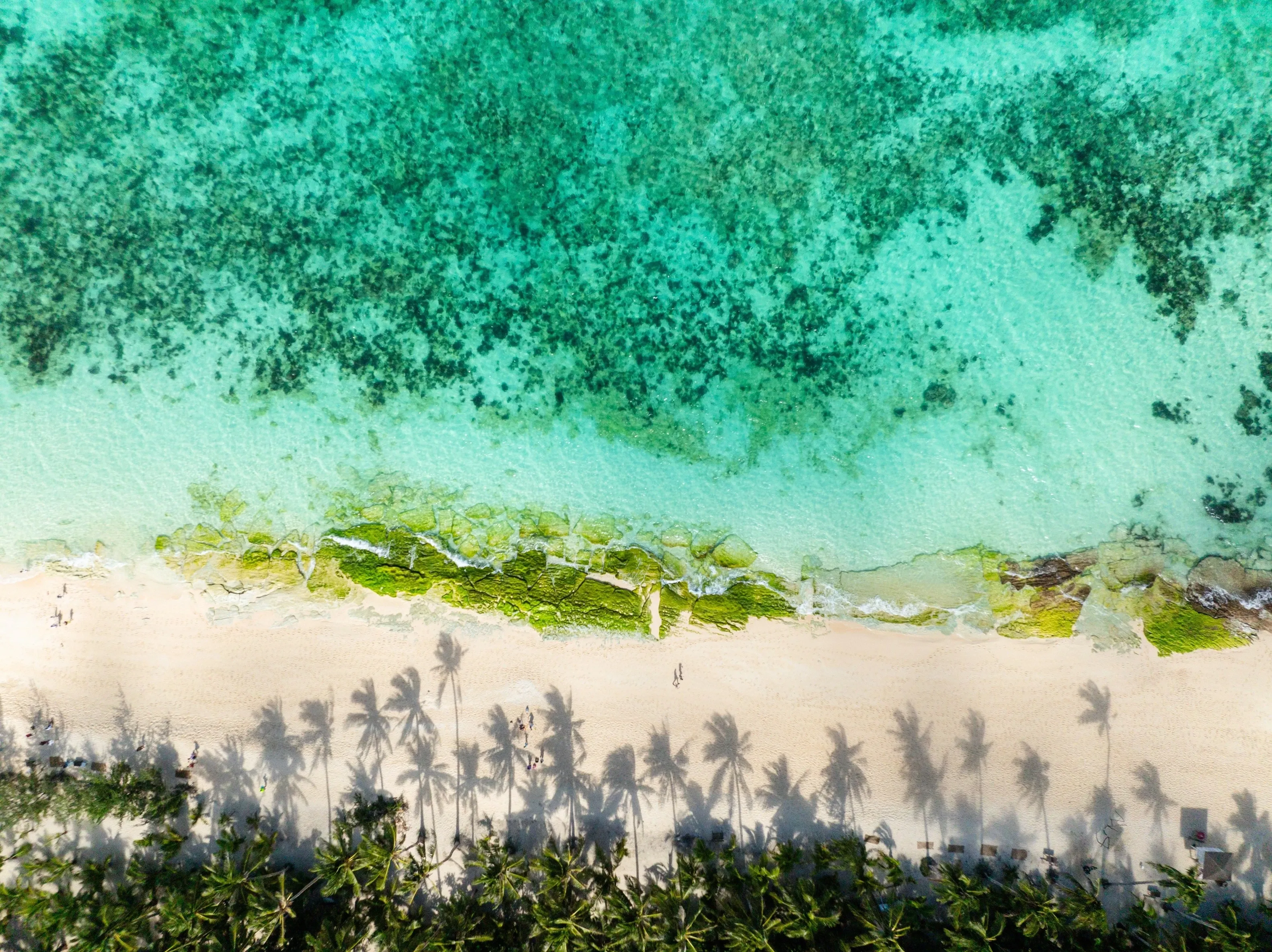
The island of Boracay is relatively small. Nevertheless, its pristine beaches have made it one of the Philippines’ top ecotourism destinations. There are 17 beaches, including the iconic White Beach, with its fine white sand and spectacular sunsets. However, if you prefer more secluded beaches, head to Puka Shell Beach and Tambisaan Beach The Puka Shell Beach is Boracay’s northernmost beach. Hills covered in thick jungle border the beach, and far fewer people visit this stretch of coast.
Puka Shell Beach provides beauty and serenity for people who like to be away from the crowds. Leisure options include kayaking, paddleboarding, swimming, and seaside massages. At dusk, you may spot giant fruit bats hunting for food in the surrounding forest.
Tambisaan Beach is the best beach for experiencing Boracay’s unique marine life. You can see countless colourful corals, fish, and crustaceans when snorkeling or scuba diving just 30 meters from the shore. Another excellent dive site in this area is the coastline of Crocodile Island, located roughly 500 meters from Tambisaan Bay.
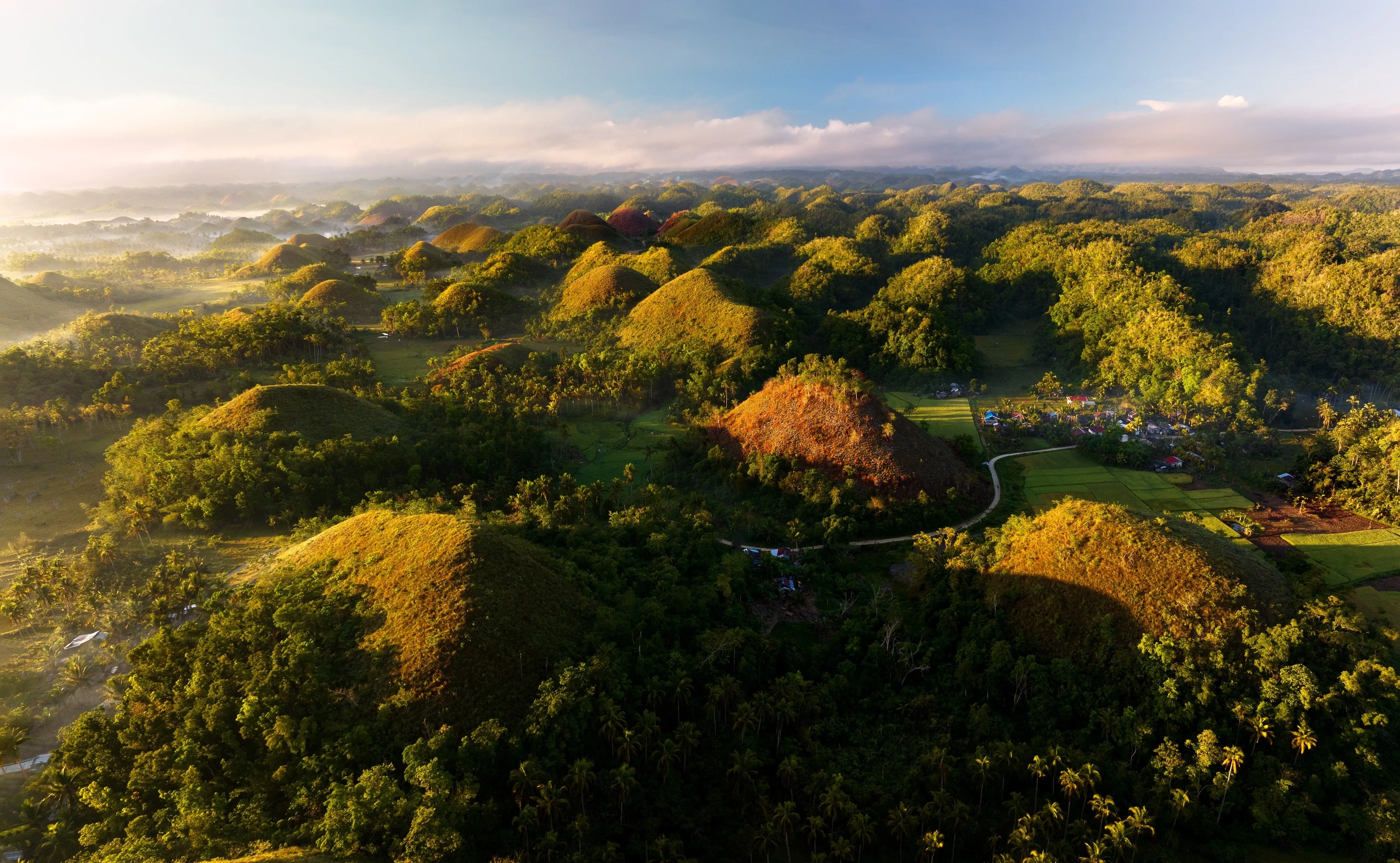
5. Chocolate Hills, Bohol Island
Sprawling across 50 square kilometres of Bohol Island’s interior is a striking and unusual geological feature. The Chocolate Hills are an undulating series of between 1260 and 1776 hills and hillocks. As yet, there is no definitive conclusion on the number of these curious conical landforms. Very little vegetation grows on the Chocolate HilIs due to an invasive weed called cogongrass. Consequently, they turn a deep brown in the dry season.
This chocolatey hue creates a strange scenic contrast with the surrounding rainforests, which are lush and emerald green. A local myth describes the hills as the aftermath of a fight between two giants. According to the legend, the Chocolate Hills are the culmination of the rocks they threw at each other for days. Another story describes the hills as the tears of a giant grieving the death of a woman he loved.
Paving the way forward for ecotourism
The need to protect our planet with sustainable solutions becomes more critical year after year. Fortunately, a growing community of eco-conscious travellers, progressive governments, and conservation organisations are driving ecotourism forward. And there is no better place to start your sustainable travels than the Philippines’ top ecotourism destinations.

Europe’s ecological backbone: Mountains
Mountains have been significant in shaping Europe's geography, biodiversity, and cultural identity. They are often referred to as the ecological backbone of the continent.

Europe’s life blood: Lakes
Lakes are essential to Europe's natural heritage and play a key role in maintaining the continent's ecological balance. Learn more about their natural importance.
A voice from the wilderness: The day I met Nelson Mandela
Explore a heartfelt account of meeting Nelson Mandela, a moment that embodied hope and change during South Africa's pivotal transformation.

Responsible travel in North America – preserving indigenous heritage
A guide on approaching your travels with cultural sensitivity and contribute to heritage conservation.

Costa Rican Orchids – a floral wonderland
Discover the vibrant world of Costa Rican orchids, where stunning species thrive in diverse habitats, showcasing nature’s beauty and the country's rich floral heritage.

Something fishy: Sustainable seafood choices
The increasing demand for fish is putting pressure on fish stocks in the oceans. To reduce this, there are ways in which we can be more conscious of our fish consumption.
Sign up for the newsletter
By clicking on “Subscribe now” I will subscribe to the Conscious Explorer newsletter with all the information about mindful travel. Information on the success measurement included in the consent, the use of the shipping service provider MailChimp, logging of the registration and your rights of revocation can be found in our privacy policy.