
Our partner: Shanga
Shanga is a place where abilities are celebrated and waste turned into beauty. In the heart of Arusha, nestled within the serene grounds of Arusha Coffee Lodge, lies a workshop that hums with the rhythm of creativity, community, and purpose.
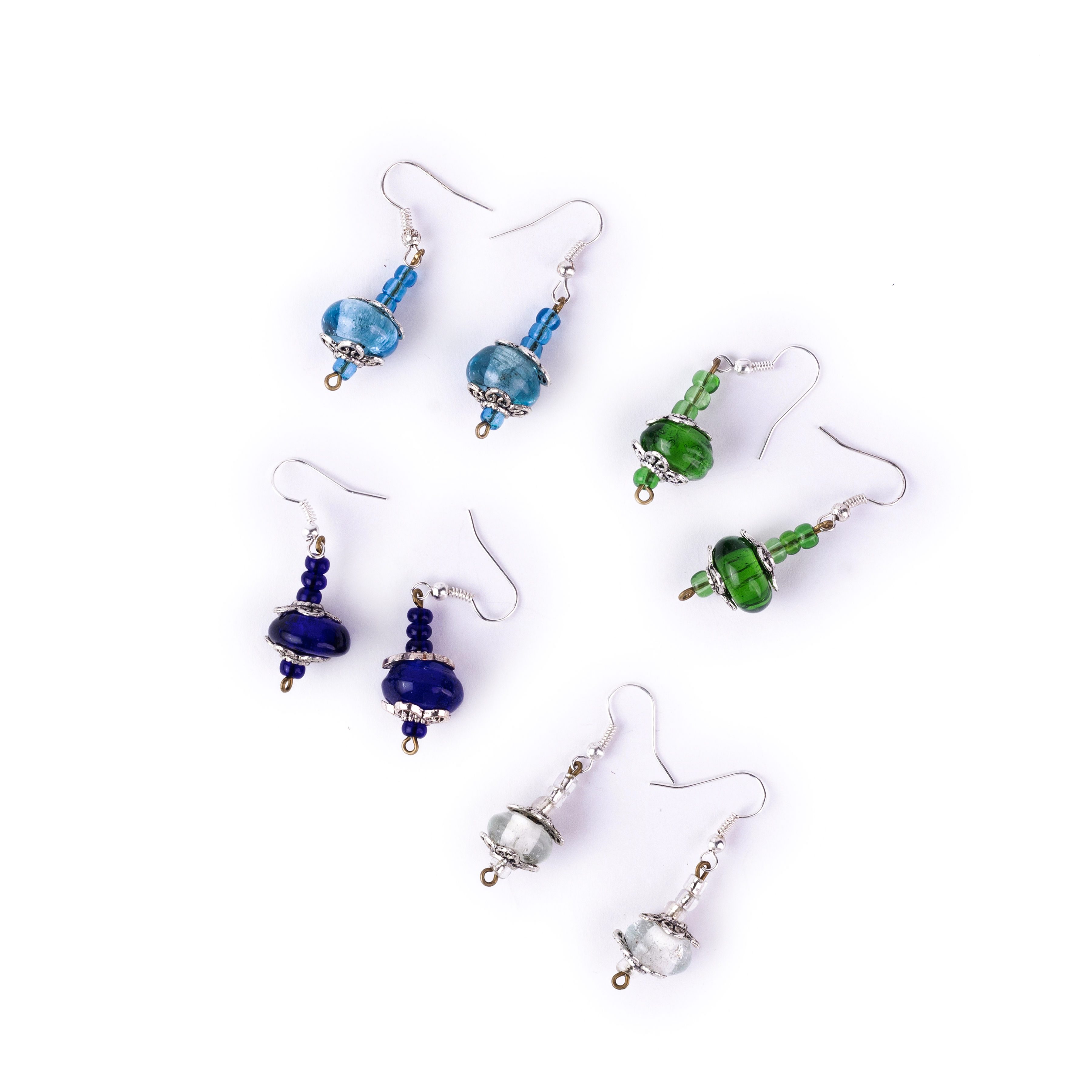
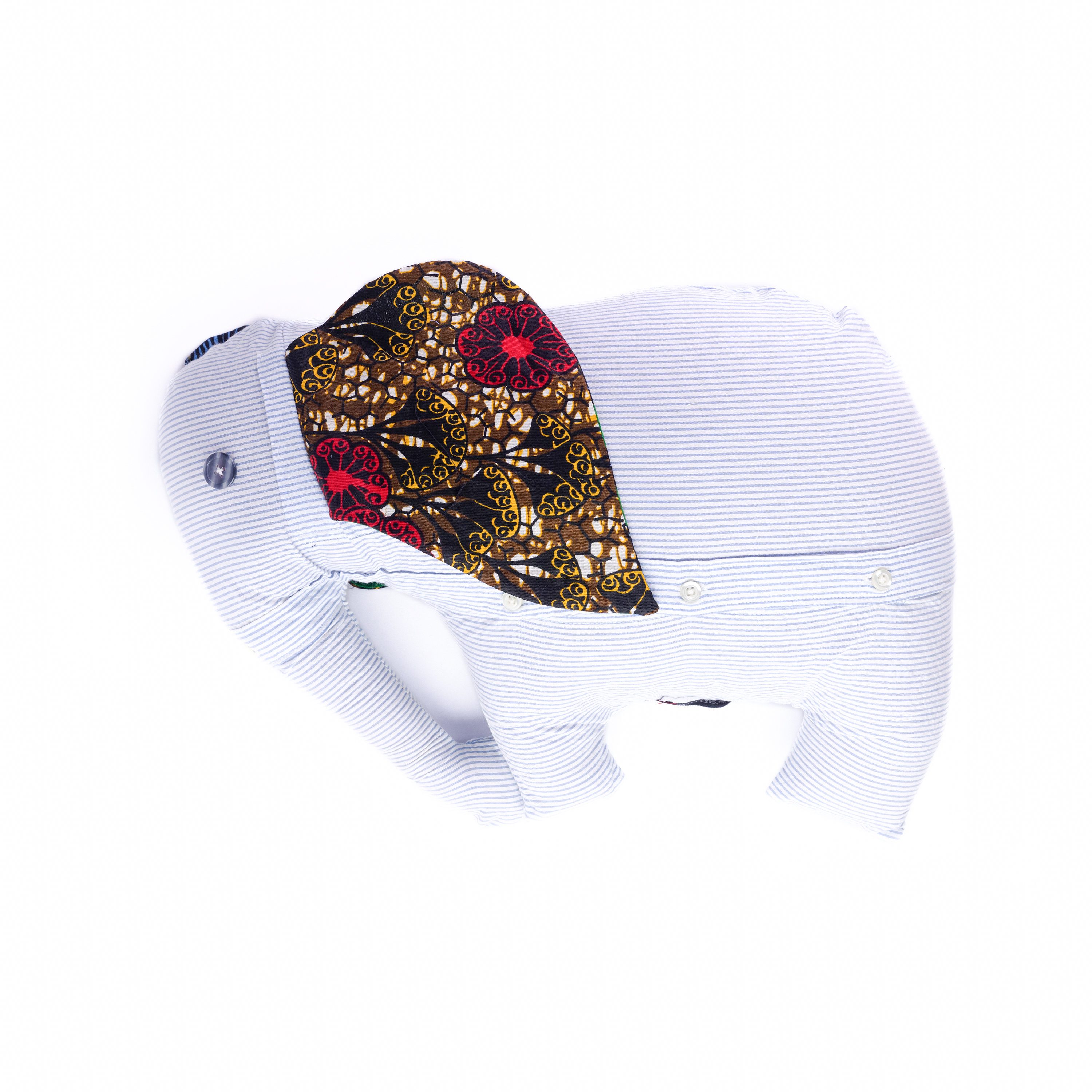
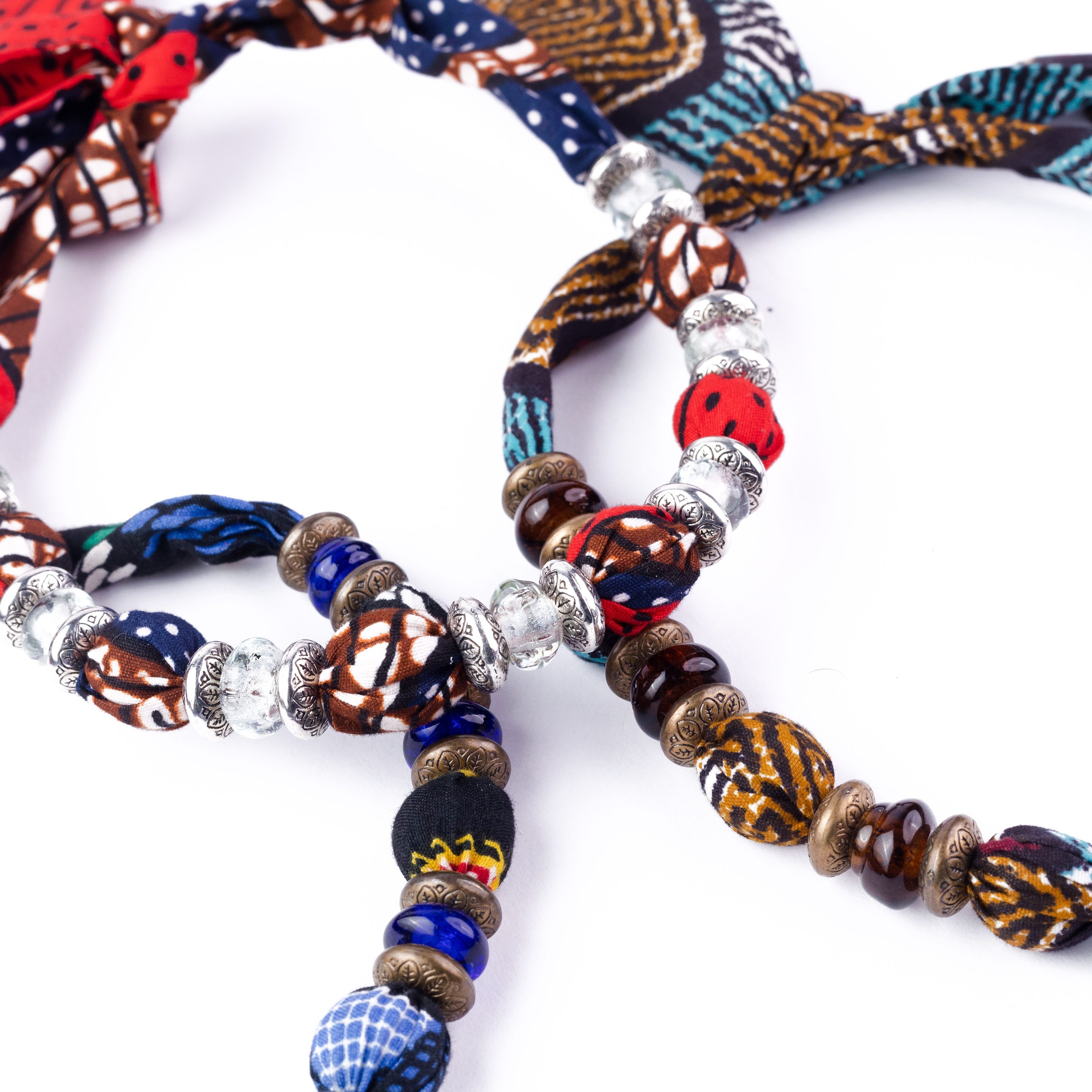
This is Shanga — a social enterprise that has become a beacon of inclusion and sustainability in Tanzania. The main focus is on the employment of people with disabilities, who are often at the bottom of the employment rank. They make use of recycled materials to craft handmade products.
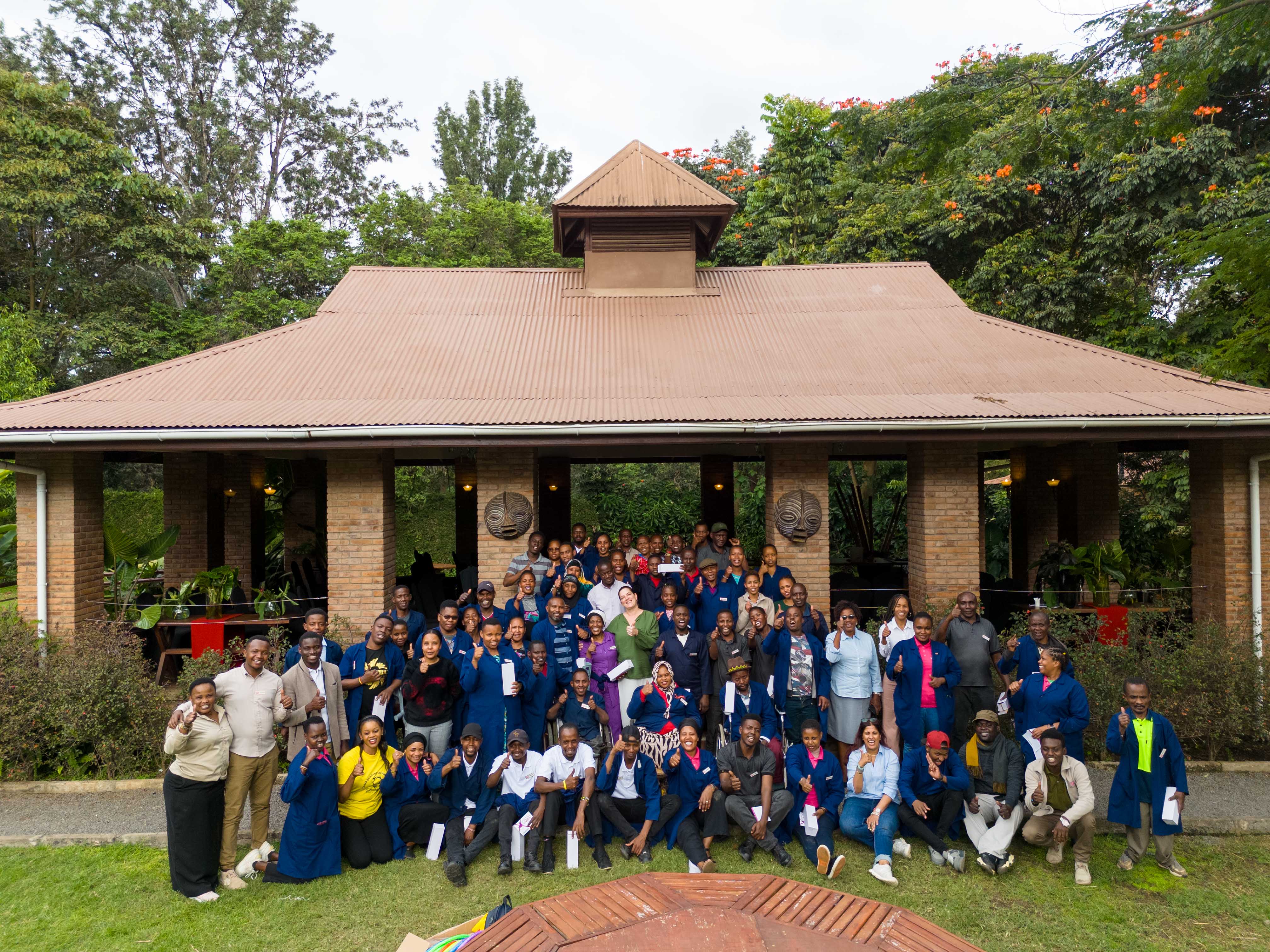
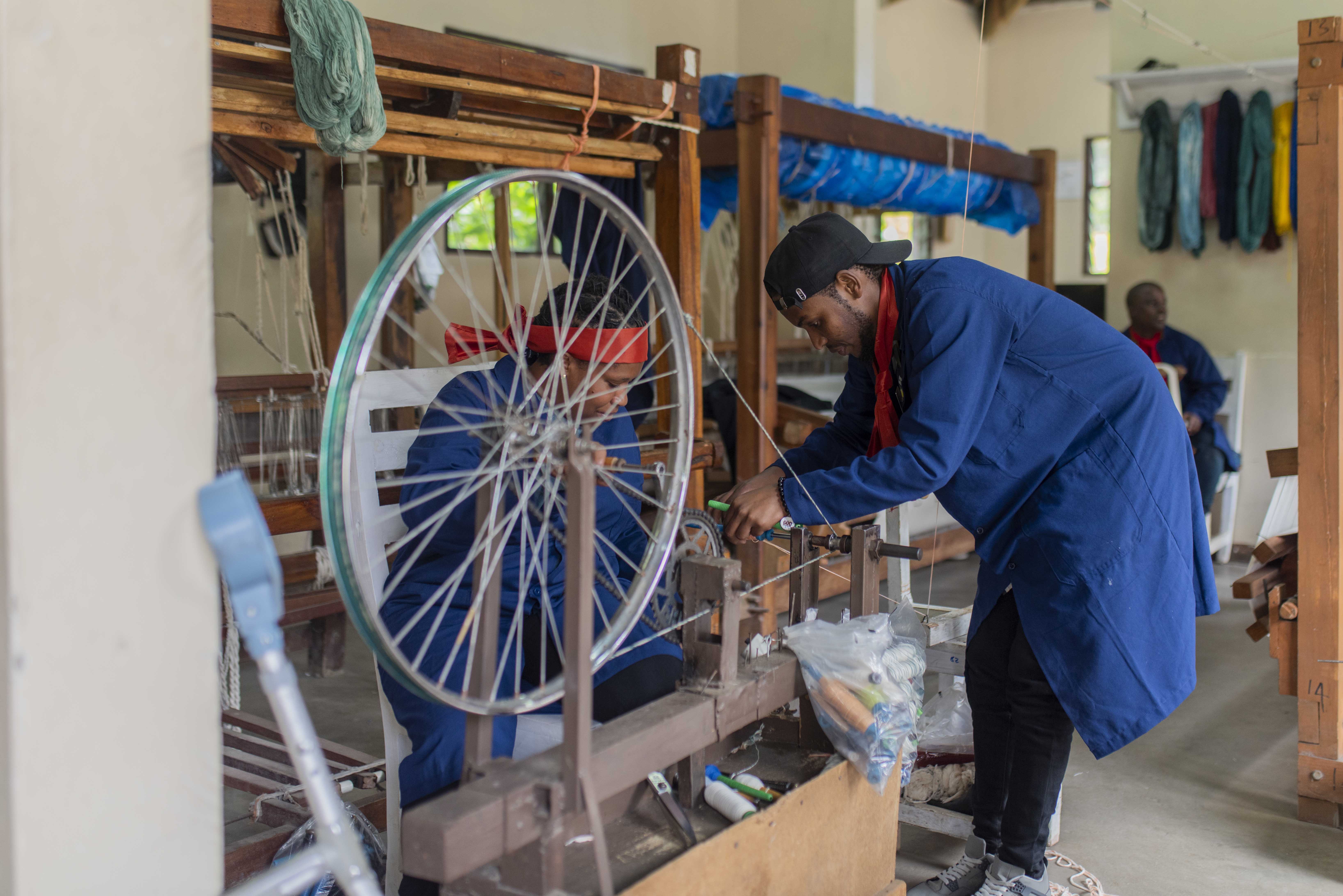
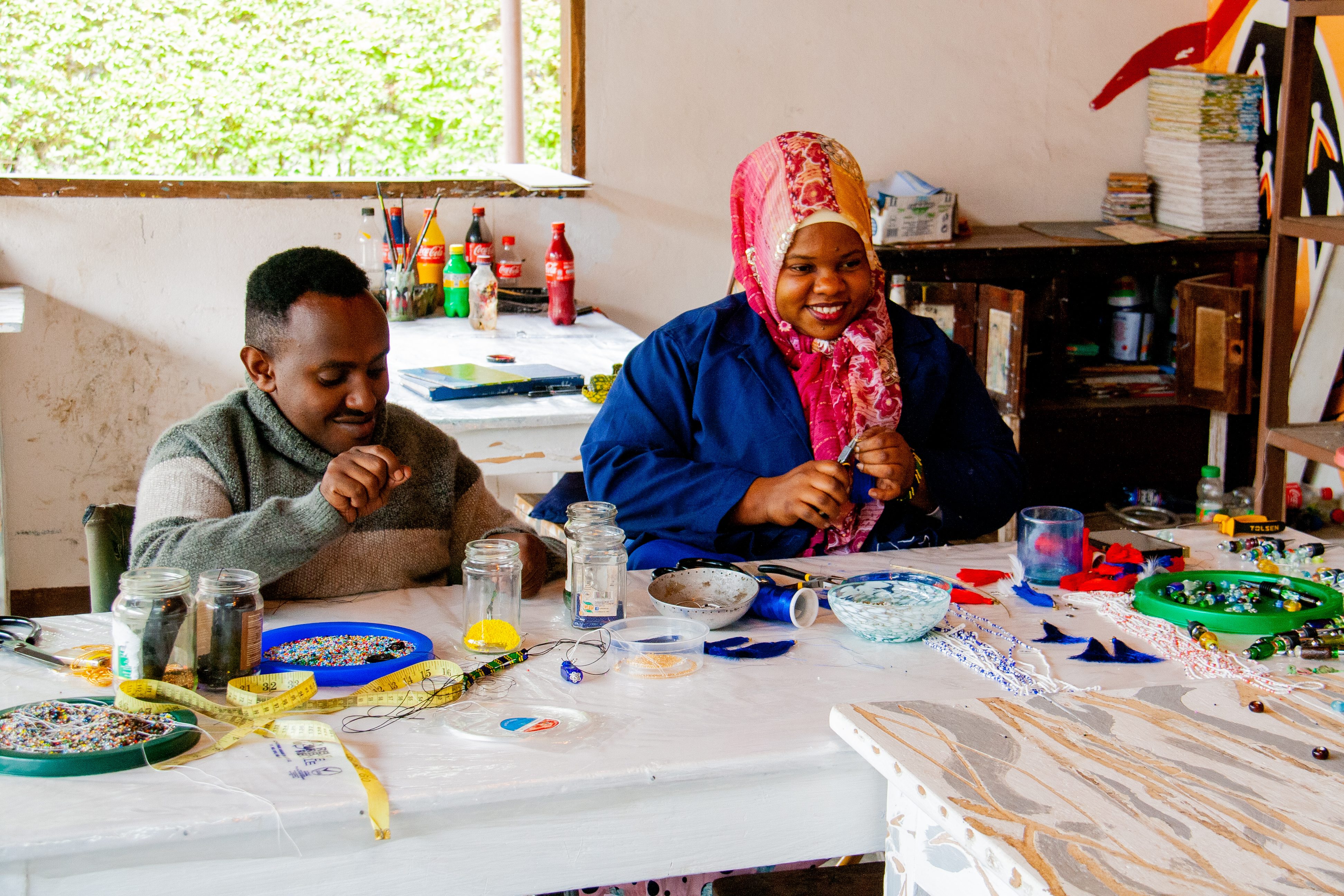
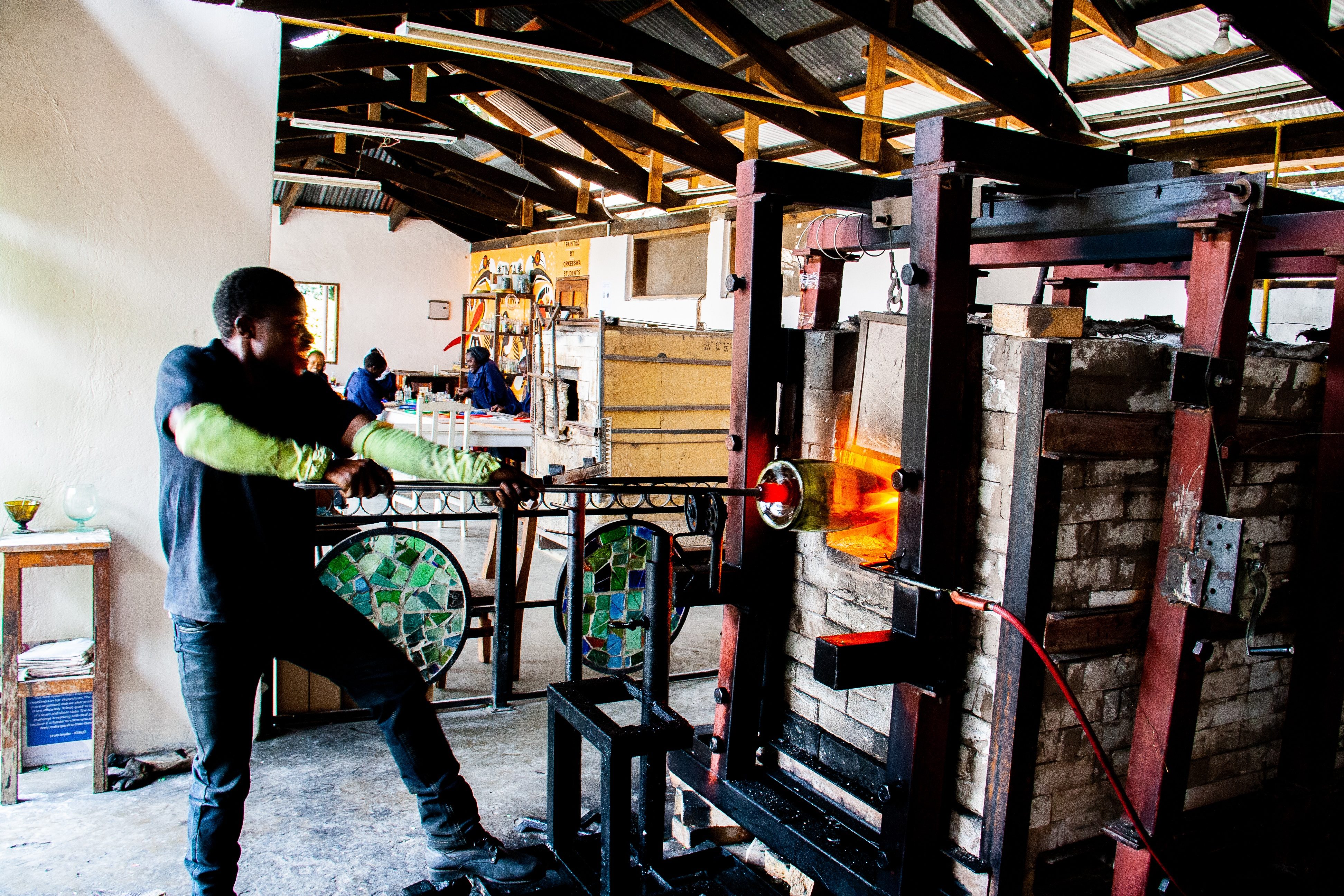
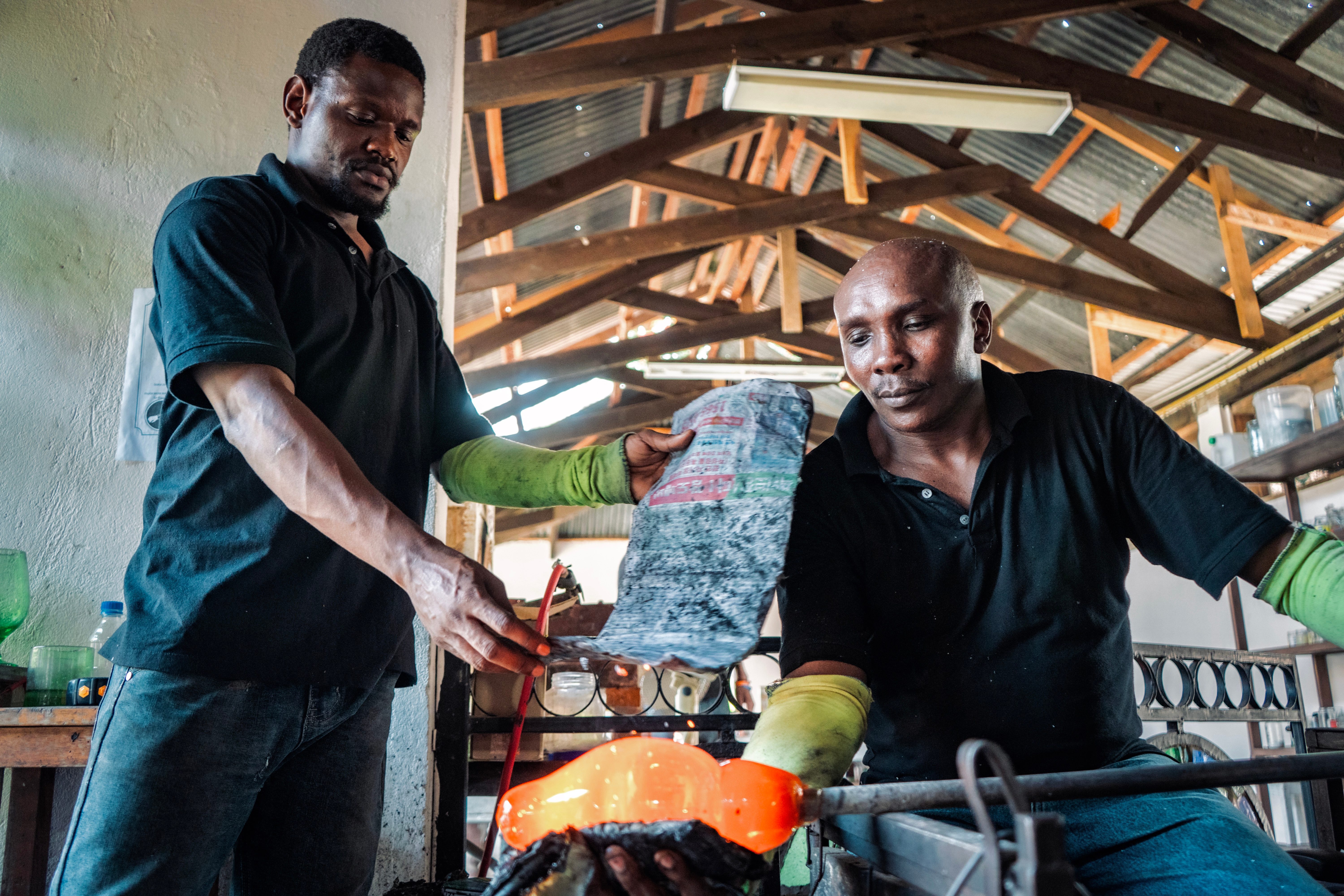
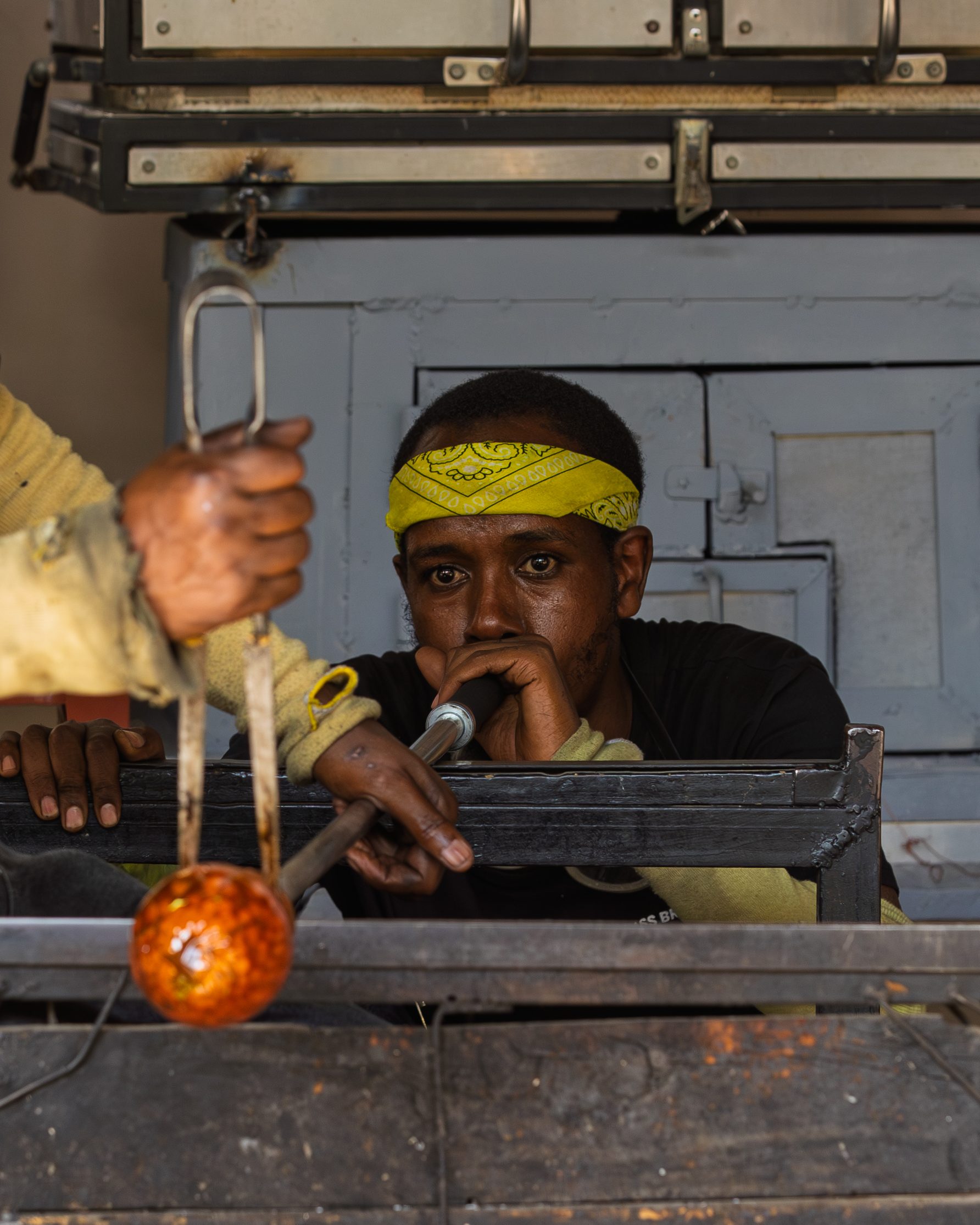
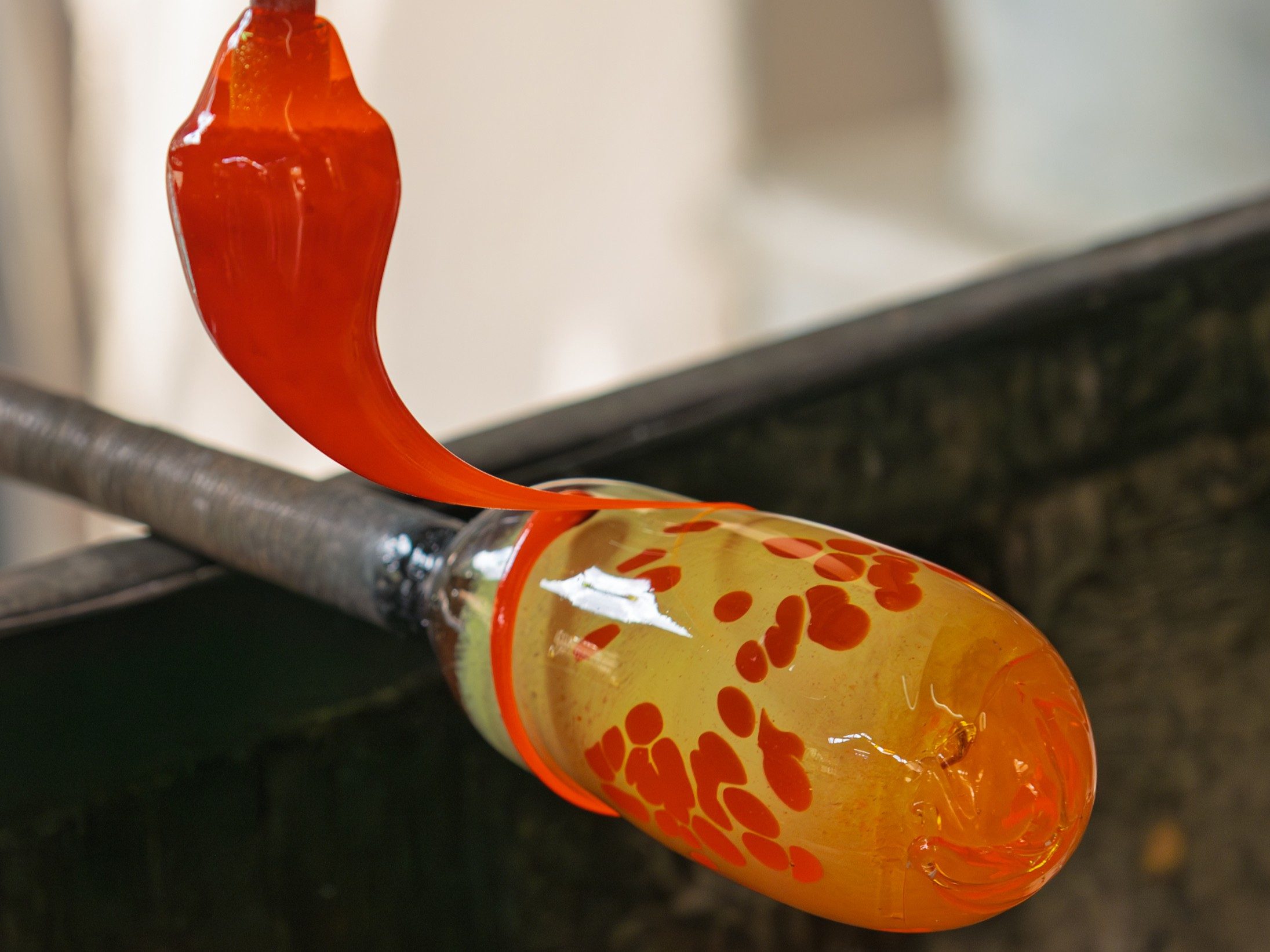
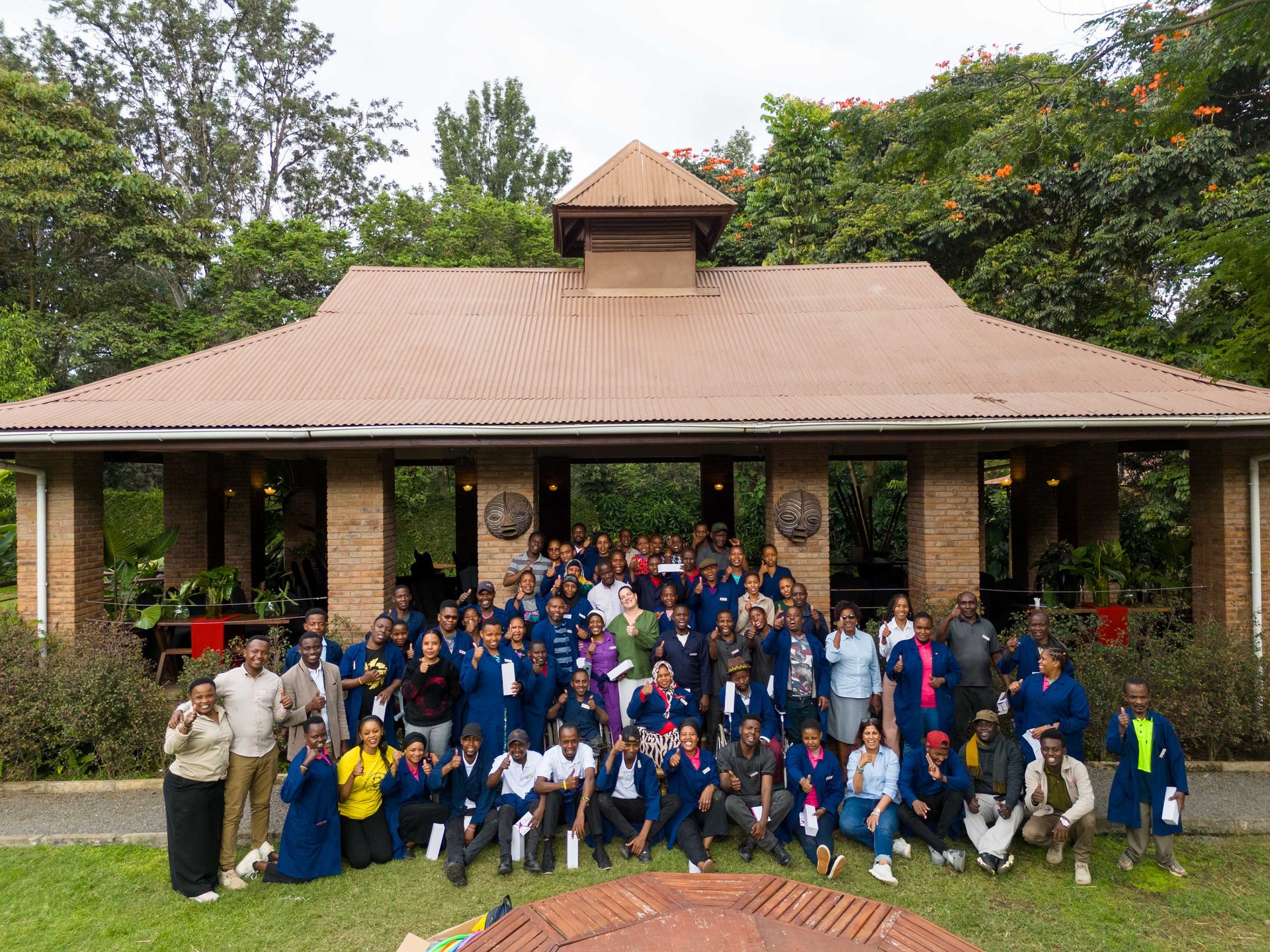
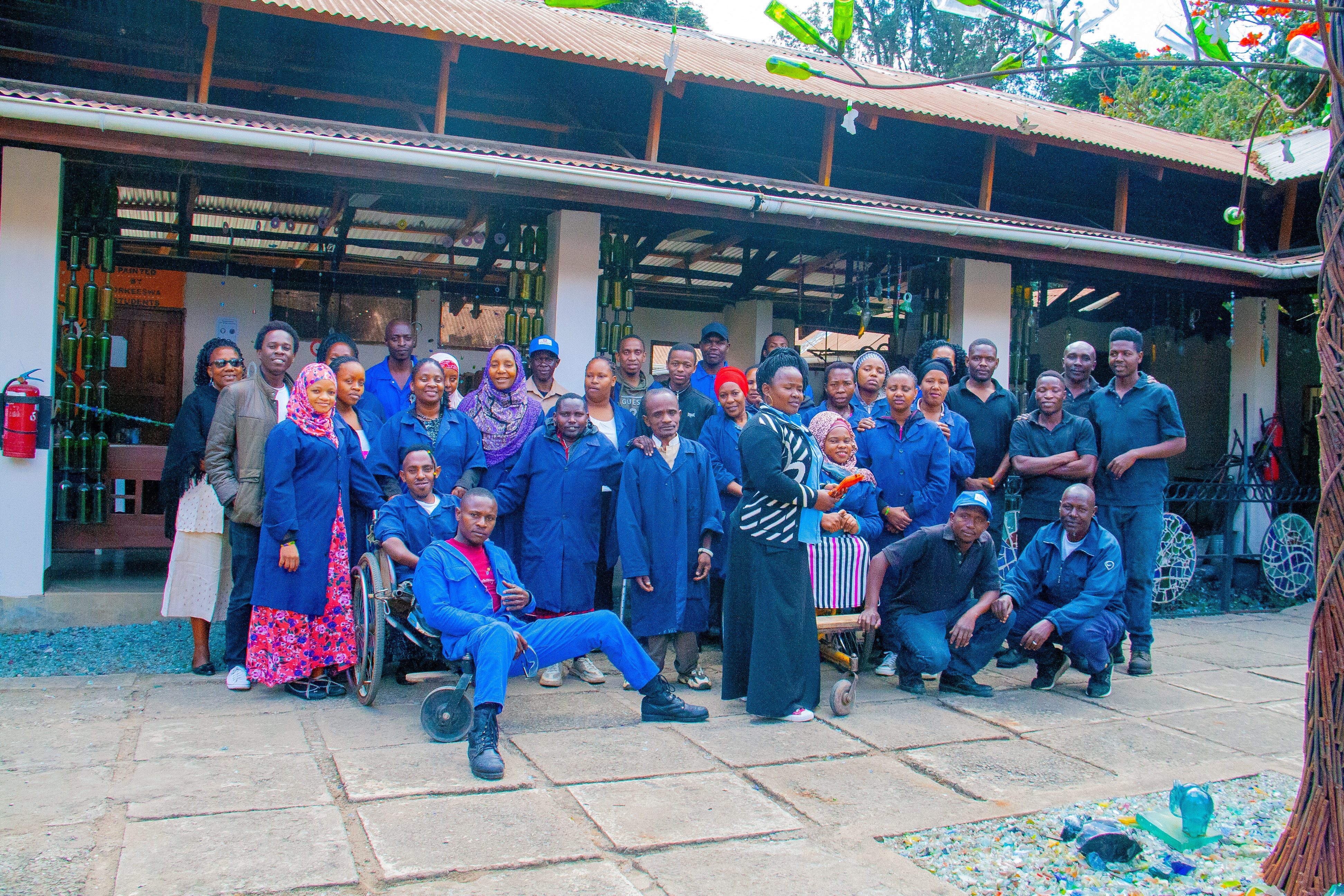
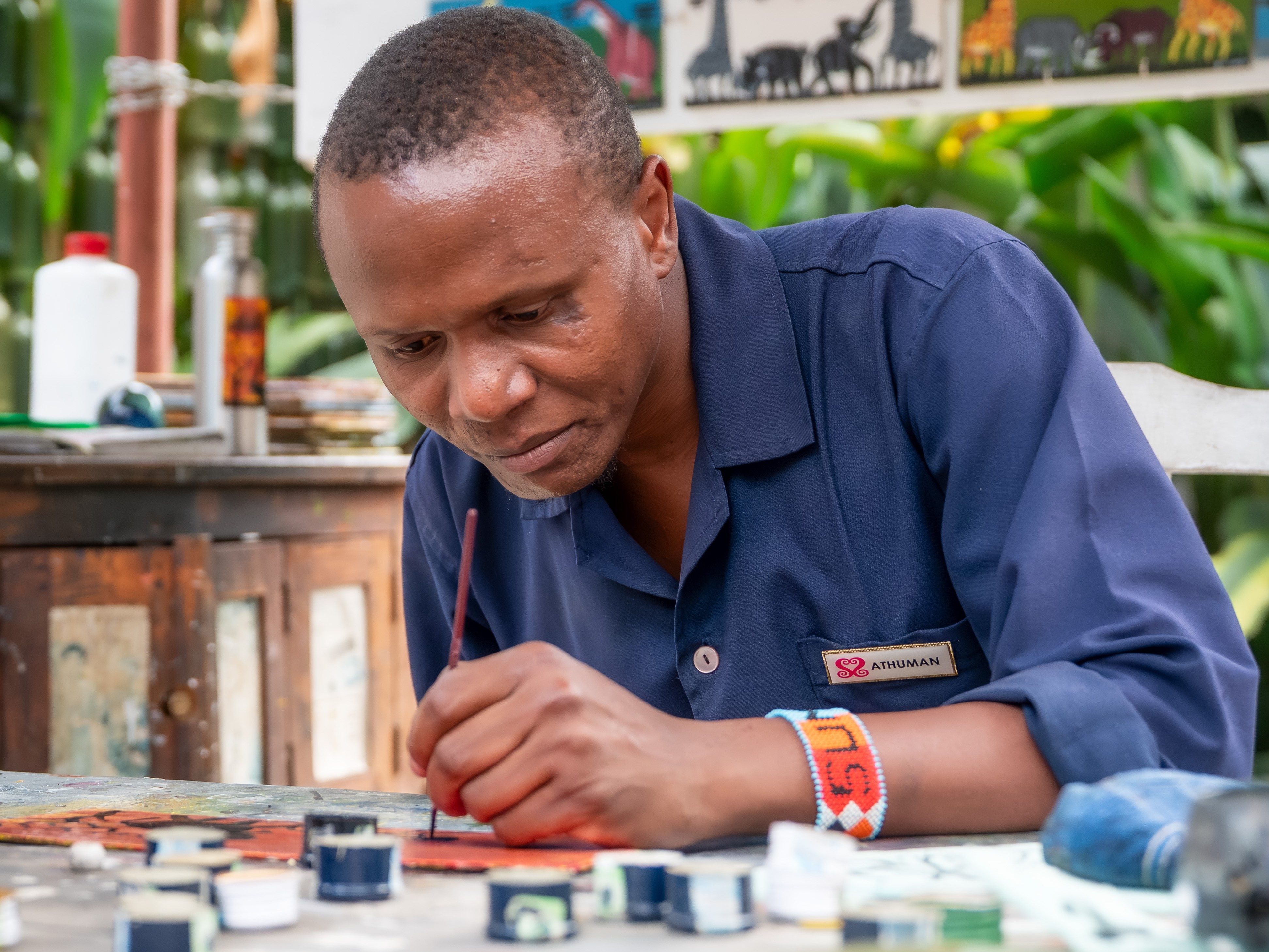
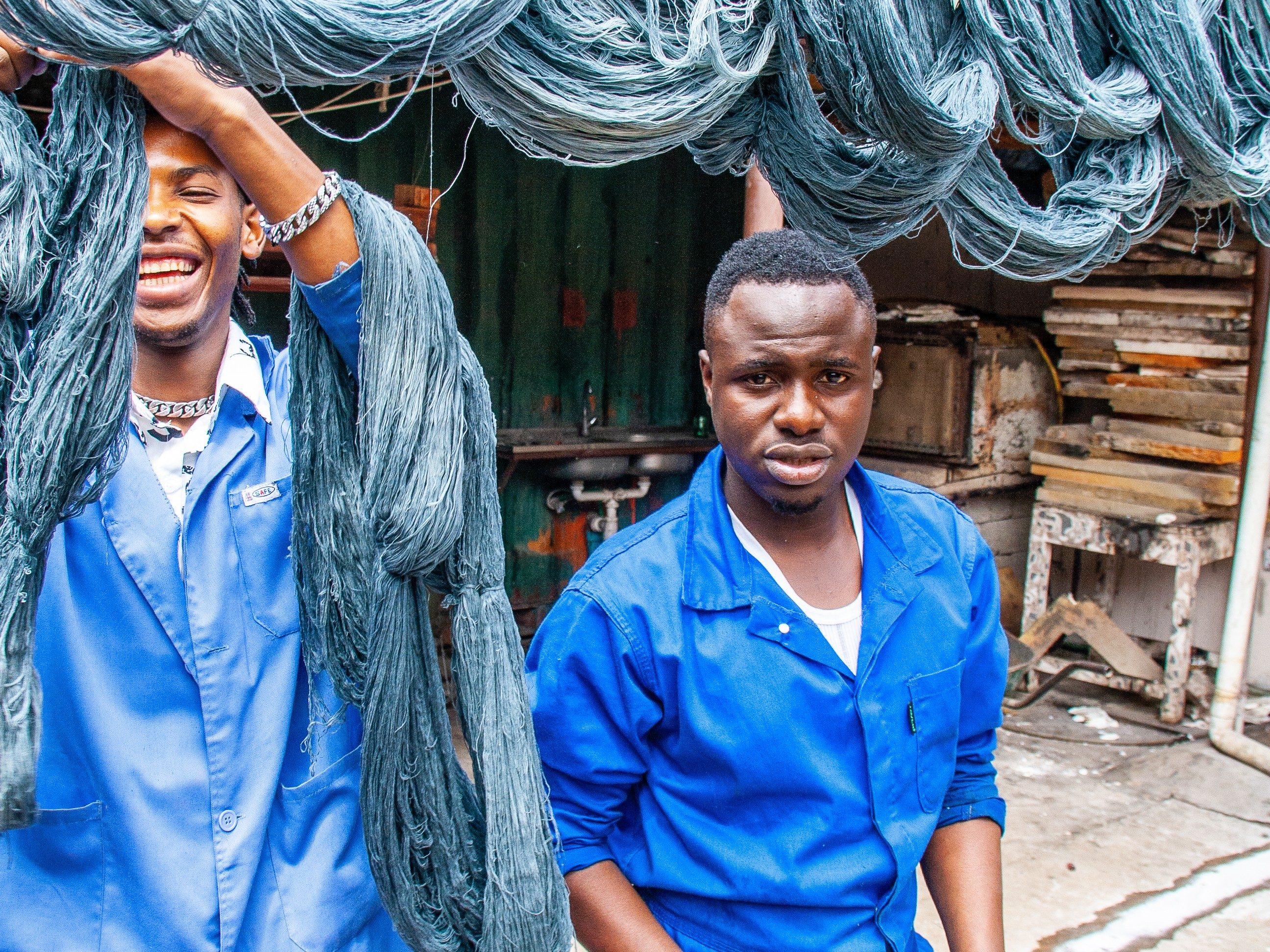
Founded back in 2007 by Saskia Rechsteiner, Shanga started by two employees with hearing disability and has now grown into a full workshop with 68 staff members, 50% of whom have different forms of disabilities and working in different departments: glass blowing, beading, weaving, tailoring, glass bead making, as well as metal work.
Shanga became part of Elewana Collection in January 2017, under the umbrella of the Land & Life Foundation, which acts as the group’s sustainability and community impact arm.
Brief profile of Shanga
- Name: Shanga
- Year founded: 2007
- Headquarter: Arusha, Tanzania
- Language: English
- Locations: Africa
- Certification status: Government-registered
- Instagram Shanga
- Other specifics: Shanga is not a charity, it offers regular employment while properly supporting staff with disabilities to be able to maintain their employment.
What is the mission and long-term vision of Shanga?
Shanga is built on the idea that sustainability should benefit both the environment and people. They are envisioning a world where abilities are celebrated and waste turned into beauty.
Future plans include a micro-factory concept that extends Shanga’s sustainable production ethos to other product categories, such as eco-friendly guest amenities.
The goal is to replicate Shanga’s successful model of inclusion and circularity —creating more jobs, greater impact, and greater awareness of sustainable living.
Shanga has grown into a platform which screams disability is not inability and that the inclusivity model works.
What key achievements has Shanga made so far?
- Shanga is now employing 68 individuals, of which 50% are living with different forms of disabilities
- 18tons of glass are recycled each year; Shanga receives glass bottles from different parts of Arusha especially from the Bush - Serengeti, Ngorongoro Tarangire etc.
- 35,500 Litres of waste oil is used each year to power furnaces, which would otherwise end up in a landfill
- Shanga has grown into 7 different departments and added lampworking in 2025
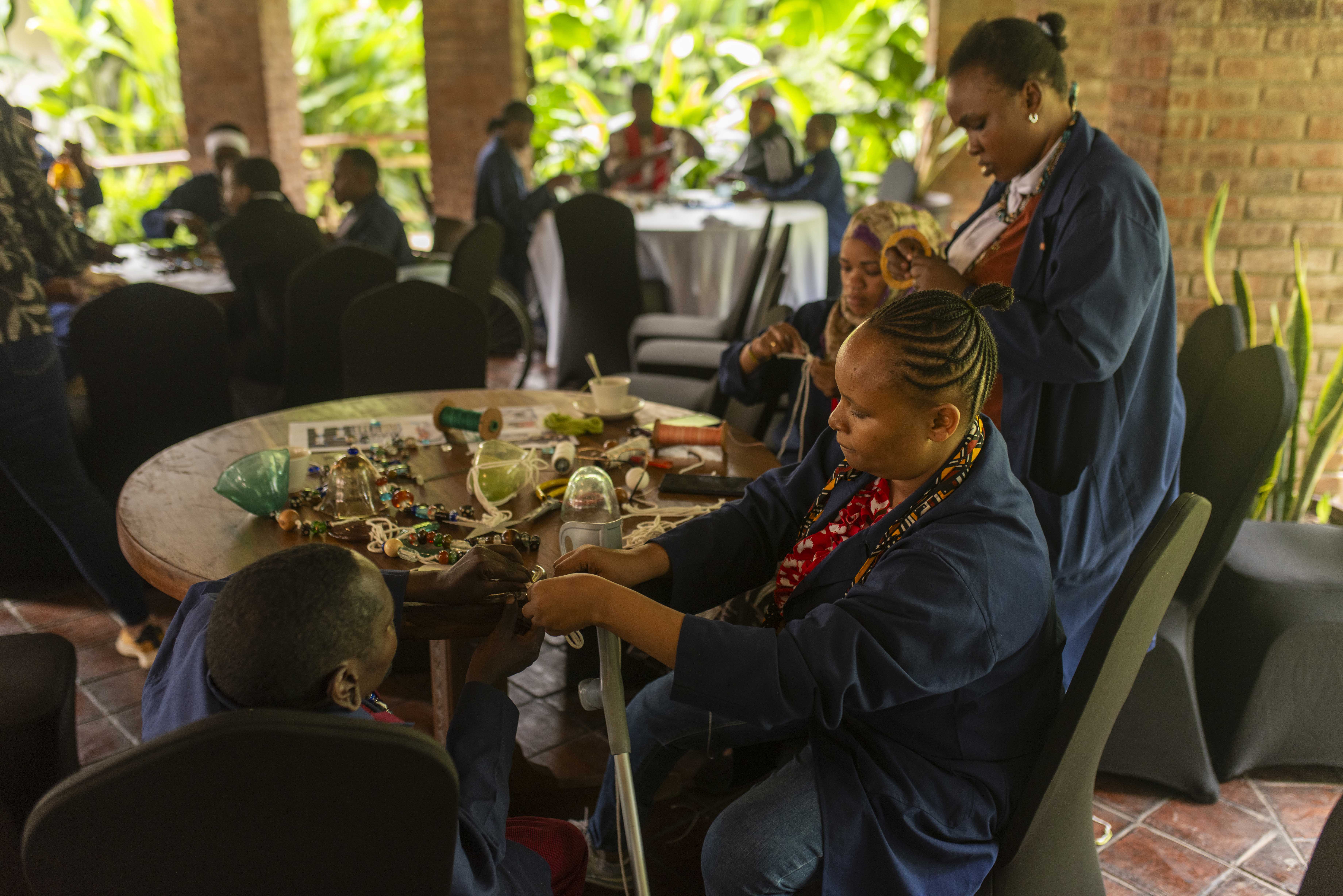
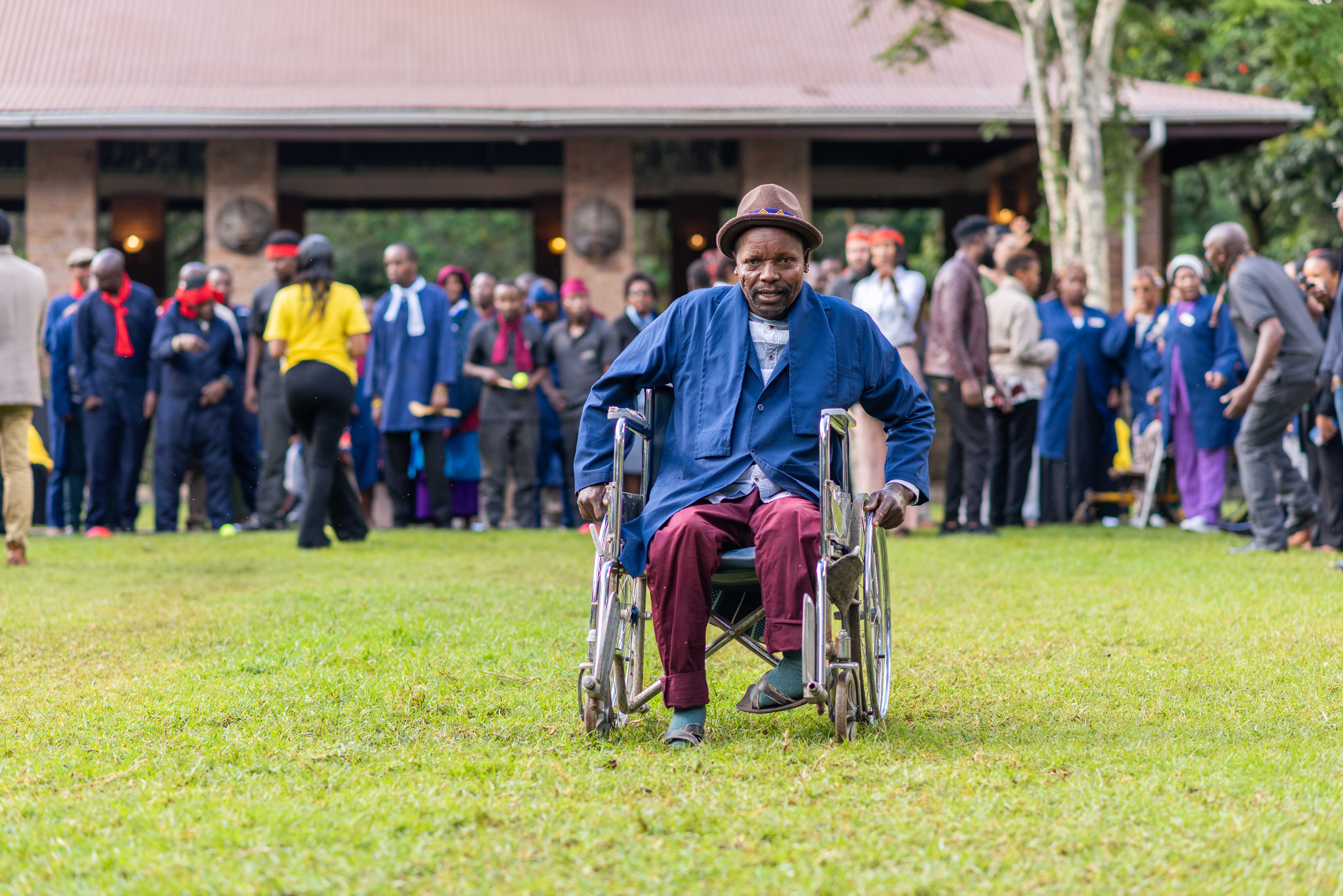
- Shanga assists in the purchasing and maintenance of assistive devices for the staff with disabilities
»Shanga is a social enterprise, which employs people with disabilities to create unique and high-quality handmade jewelry, glassware and homewares incorporating recycled materials.«
How does Shanga ensure sustainability and ethical practices?
Shanga ensures sustainability through environmental impact and social responsibility.
Environmental impact
By recycling materials such as glass bottles, engine oil, cardboard boxes, newspapers, and metals, Shanga directly contributes to environmental protection. Indirectly, Shanga offers recycling & upcycling lessons to schools and different groups who visit our workshop, and hence create awareness about environmental protection.
Social Responsibility
Through fair employment practices, Shanga focuses on hiring people with disabilities, empowering them and improving their social inclusion across communities through greater independence.
Staff training and education
Shanga commits to providing proper training for staff so as to equip them with the required knowledge and skills needed to maintain their positions and thrive at what they do.
How does the work of Shanga engage with the local communities?
Open doors: Shanga is an open workshop that offers interactive tours, where the community and other guests learn about environmental protection and how they can support community members with disabilities to become independent and/or showcase their skills.
Community training: Shanga partners with and/or supports other community groups. For example, in Partnership with Tarangire Tree Tops, Shanga trained Maasai boma mamas who live near the lodge to refine their beading techniques and improve the quality of their beaded products, which are sold to tourists and help them earn income.
Giving back: Donations received through Shanga are extended to the wider community when Shanga staff are not in need, such as through wheelchair distribution. This is available on their website.
What are the main challenges Shanga is facing?
One of Shanga's biggest challenges is limited capacity. Currently, Shanga operates a permanent workshop with only 68 employees. Their main challenge is limited space and funding to employ more individuals with disabilities.
How to support: By purchasing their products and sharing their story, Shanga will increase capacity and hire more people.
»When you support Shanga, you are investing in people, skills and a future in which sustainability and social justice are inextricably linked.«

What do you want people to know or do to best support Shanga?
They would like their supporters to understand that Shanga is not a charity centre but rather an income generating organisation. Business income funds salaries in accordance with government regulations, provides working capital for daily operations, and is reinvested in the business.
Every purchase supports fair employment, promotes inclusion and contributes to the further expansion of sustainable production methods. When you support Shanga, you are investing in people, skills and a future in which sustainability and social justice are inextricably linked.
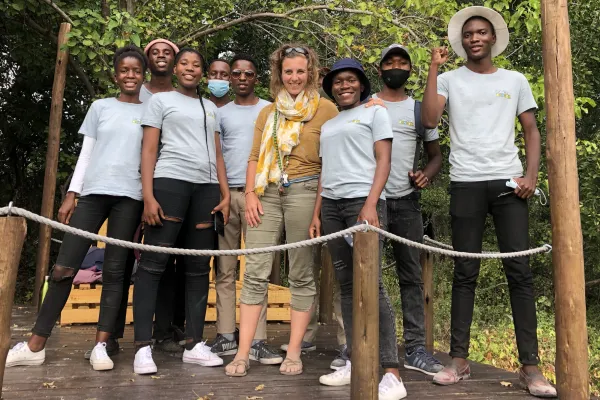
Interview: Knyphausen Foundation in Botswana
Uncover the essence of sustainability, conservation, and education through our interview with Theda Gräfin Knyphausen, founder of the Knyphausen Foundation.
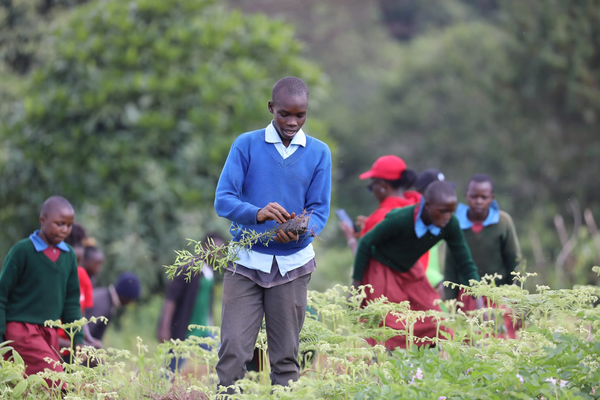
Our partner: Together4Trees Kenya
Together4trees Kenya is a non-profit organisation that focuses on reforestation, tree planting and environmental education in Kenya.
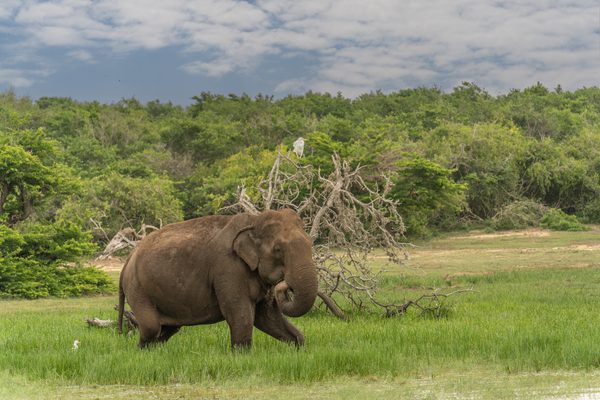
Building skills and capacity for conservation
Discover how you can best support conservation organisations – and how Wilder International empowers frontline conservationists with the skills, resources, and training they need.
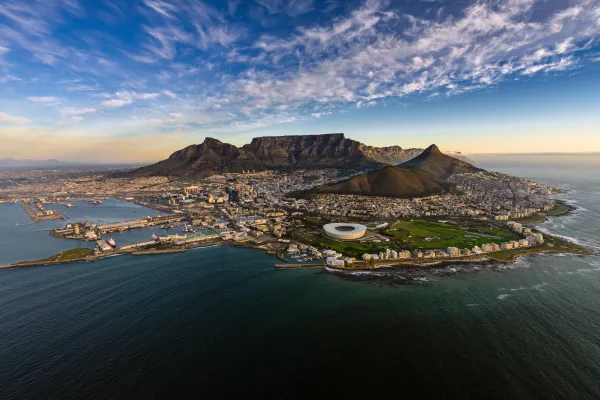
Cape Town – Africa's city of biodiversity
Discover Cape Town, the 'Mother City,' nestled beneath Table Mountain. Unveil a rich history, resilient spirit, and breathtaking landscapes, blending urban allure with nature.
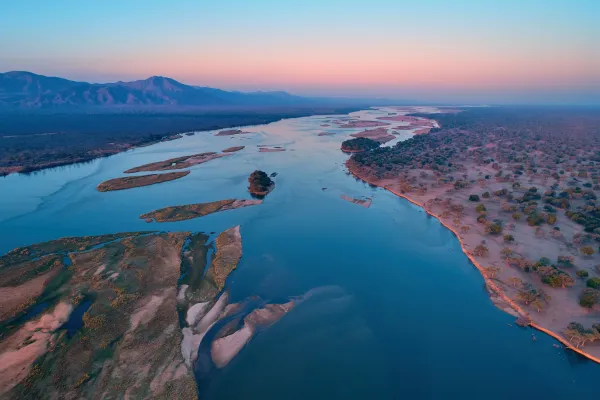
Mana Pools – Safari gem in Africa's South
Discover Mana Pools, nestled on the lower Zambezi, downstream from Victoria Falls. As a UNESCO World Heritage Site, it anchors the Middle-Zambezi Biosphere Reserve.
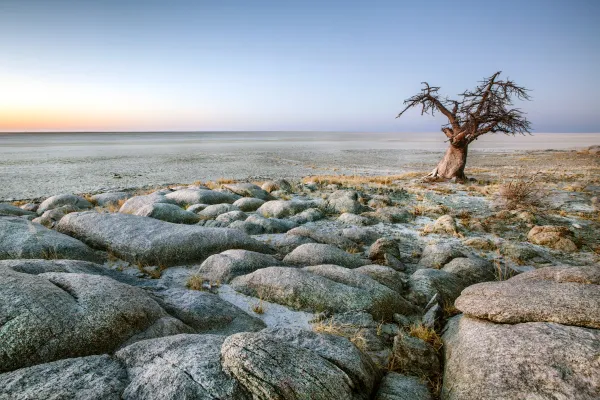
Makgadikgadi – Botswana’s dusty wetlands
East of Maun, the safari capital, lies the mysterious Makgadikgadi. Encompassing a vast pan and grassland larger than Switzerland, it's a truly intriguing destination.
Sign up for the newsletter
By clicking on “Subscribe now” I will subscribe to the Conscious Explorer newsletter with all the information about mindful travel. Information on the success measurement included in the consent, the use of the shipping service provider MailChimp, logging of the registration and your rights of revocation can be found in our privacy policy.