
Responsible travel in North America – preserving indigenous heritage
It is every traveller’s responsibility to respect a destination’s natural ecosystems and the cultures that helped shape them throughout human history. North America has a rich cultural history; the continent is bursting with beauty and much of its natural wonder is linked with indigenous heritage.
In this post, we’ll consider what it means to be a responsible visitor in North America, with a particular focus on respecting indigenous heritage.
North America’s indigenous cultures
The Native American, First Nations, and Inuit peoples have inhabited North America for thousands of years. They have rich and unique heritages that have been embedded since long before European colonists arrived on the continent. There is a whole array of indigenous cultures in North America, ranging from the Navajo Nation in the southwestern US to the Lakota Sioux communities in the Great Plains and the Tlingit people in coastal regions of Alaska and British Columbia.
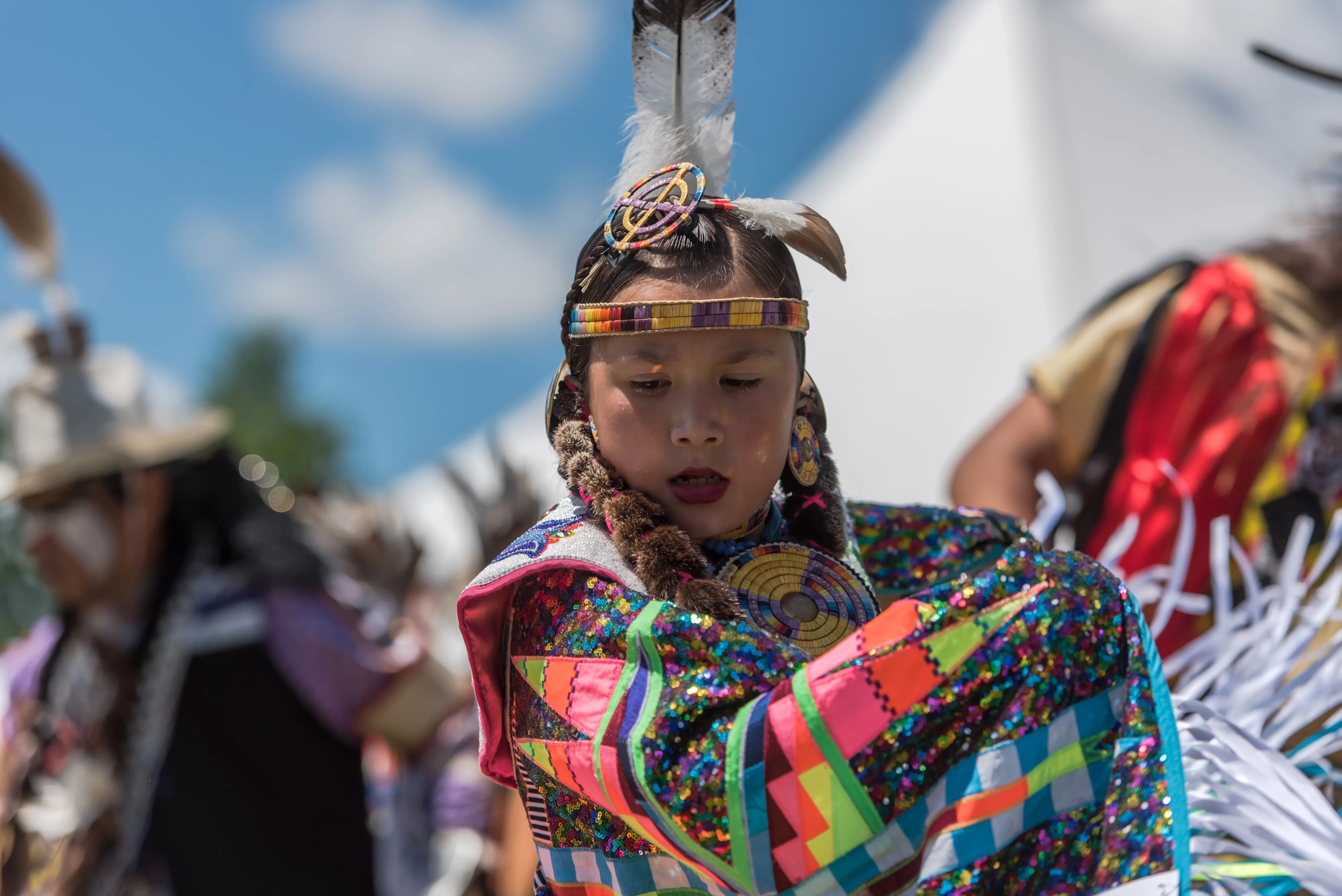
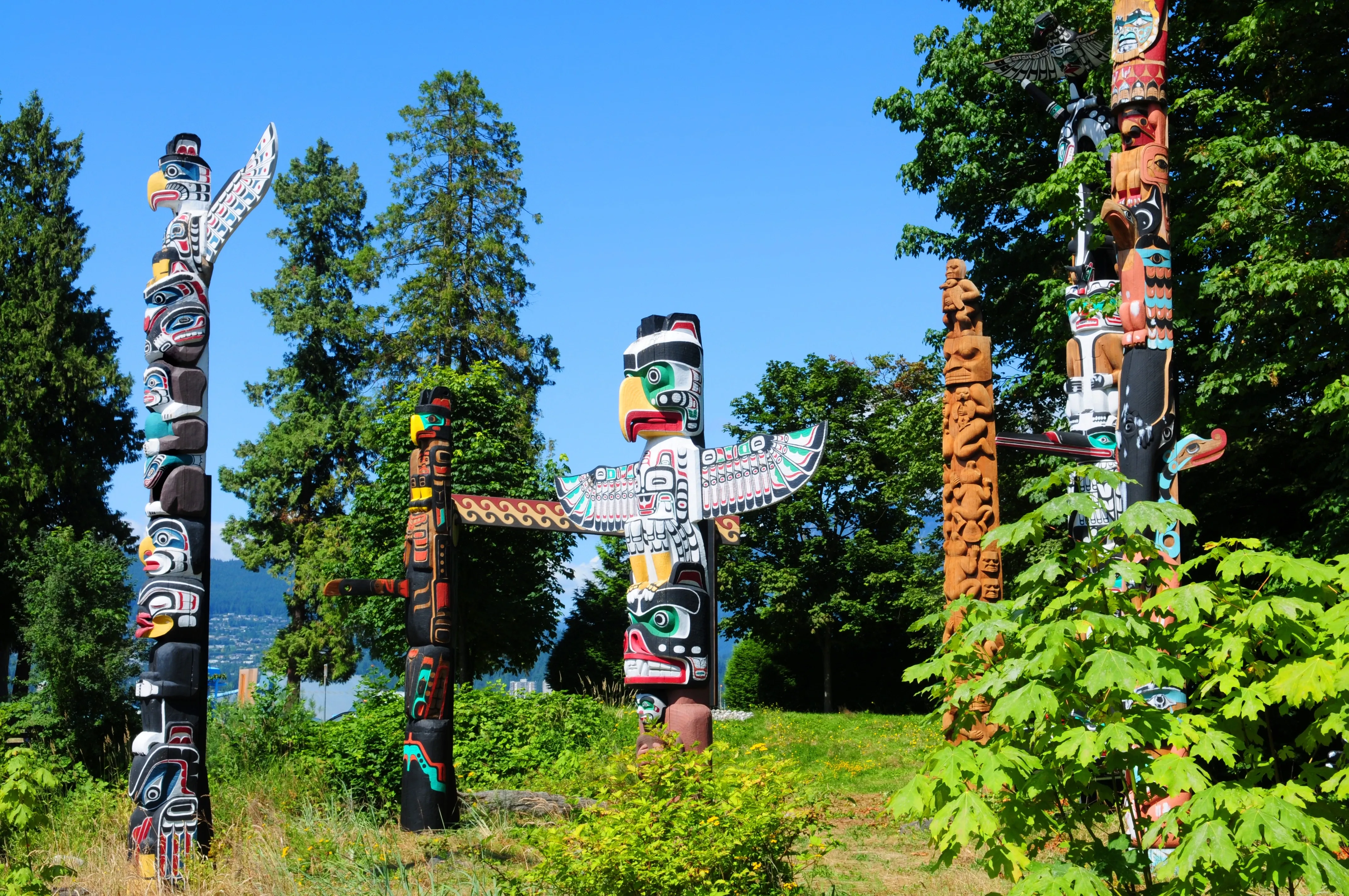
Every indigenous community is different, but they have some characteristics in common. Indigenous communities tend to have deep connections with the land; they see land as both a physical environment and a spiritual entity, and this is often reflected in their sustainable practices and spiritual rituals. The diverse indigenous communities hold swathes of traditional knowledge that has been passed down through generations, including in fields like sustainable resource management, herbal medicine, and regional ecology. They also have their own languages and art forms, including beadwork, textiles, pottery, and carvings, and often tell stories through their art.
A brief history of trauma and resilience
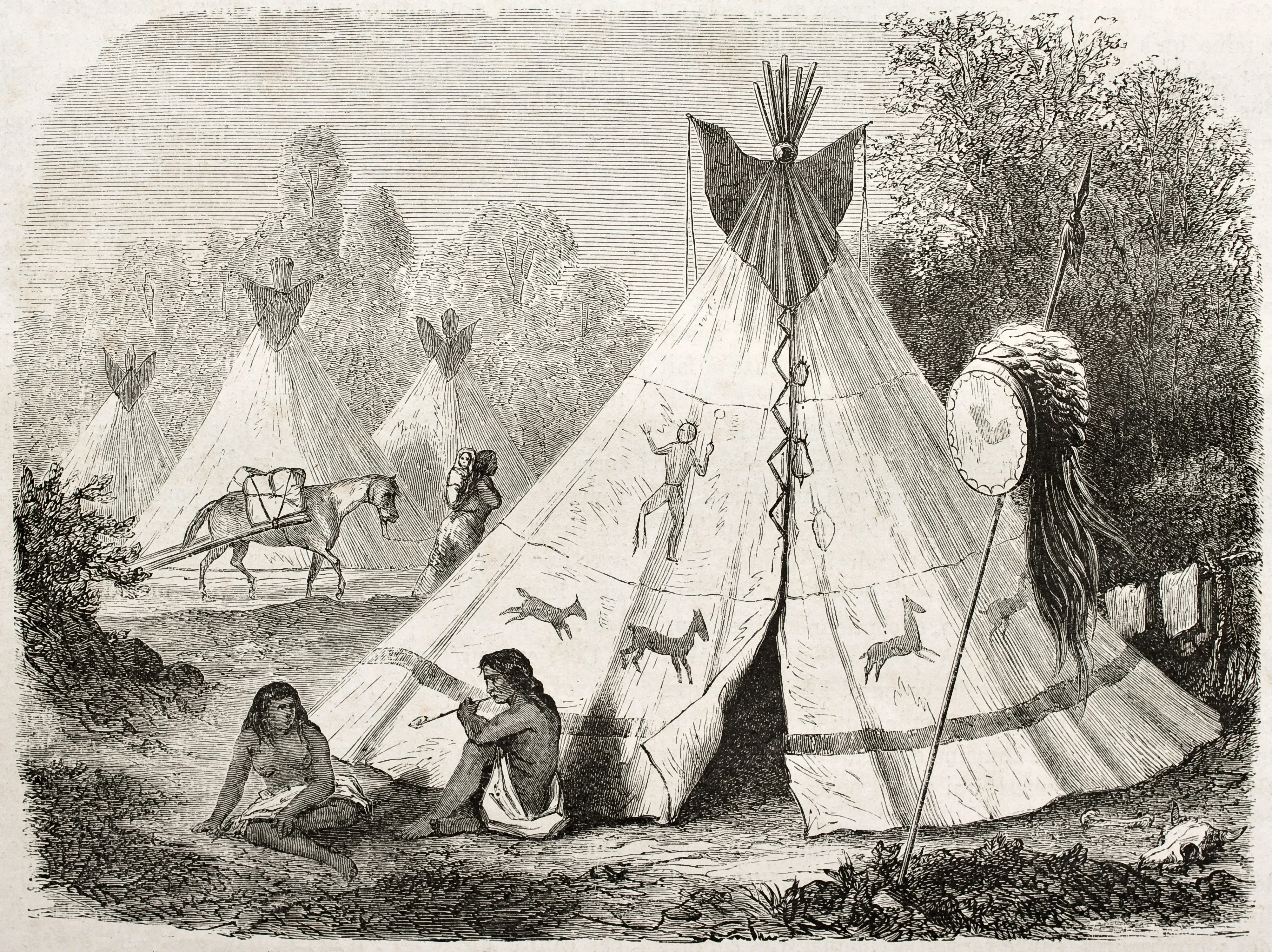
Before colonisation, indigenous peoples lived in comfortable communities with strong economic and ethical systems, such as a culture of managing resources for communal benefit. When Europeans colonised, they began to extract resources from indigenous peoples’ lands; they left some populations in poverty and wiped others out entirely. The newly settled Europeans quashed indigenous cultures to the point that many in the migrant populations became unaware of the great contributions indigenous communities made to the world.
Many indigenous cultures have sustained the test of time despite considerable negative pressure – and often outright persecution – over the years. Today, attitudes have changed, and it is widely recognised that these precious cultures deserve to be respected and preserved. Unfortunately, their fight to be respected is not over yet. Indigenous activists continue to fight to reclaim what has been taken from them in the past, including rights over their traditional territories. It is, therefore, vital for visitors to regions home to indigenous communities to practise sustainable tourism, respect local cultures and traditions, and actively contribute to the preservation of indigenous heritages.
Advice: Educate yourself before your trip
Before embarking on your trip to North America, take some time to read about the history of that particular region. Don’t skip over the struggles of the indigenous communities but try to read and understand the story of their ancestral history. It won’t be pleasant to learn about, but it is important that their struggles aren’t lost with time, especially as they still face oppression today.
Familiarise yourself with the traditions and practises of local indigenous communities and absorb any specific information about good etiquette for visitors so that you know how to act with respect and sensitivity when you encounter indigenous communities on your travels.
Respecting indigenous sites, customs, and traditions
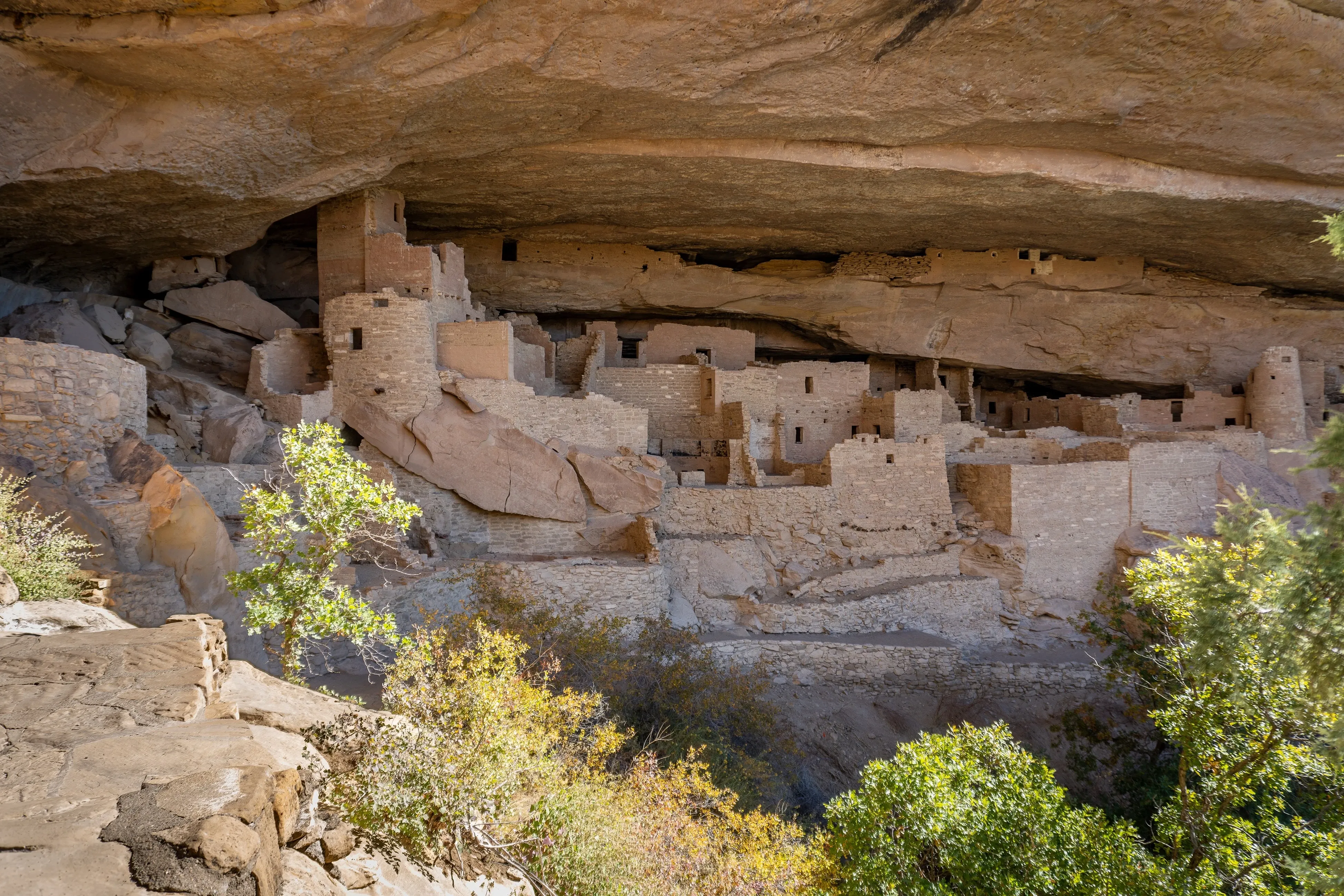
When you are travelling around North America, you might encounter sites that hold deep spiritual significance for indigenous communities. These areas will usually be signposted – respect these signs and avoid entering them without proper authorisation. Learn about the local laws and policies around indigenous lands in the region you are visiting and comply with any restrictions or permits established by the local communities or governing bodies.
If you would like to experience an indigenous culture, take part in a tour or experience led by people in the indigenous community. Not only is it the right thing to do, but these tours will be more authentic experiences – you will learn more about the community’s culture and heritage and will often benefit from local storytelling and a deeper sense of connection. Always ask before taking photographs, particularly if they include people or when at sacred sites. Some communities might not want their ceremonies and rituals to be photographed or recorded.
If you are visiting indigenous land, it is always best to seek out indigenous-owned businesses, including hotels and craft shops, to support their economic empowerment and help preserve their traditional practices. When it comes to souvenir shopping, be sure that you are purchasing authentic handmade crafts from members of the indigenous community and avoid any products that are made from protected species.
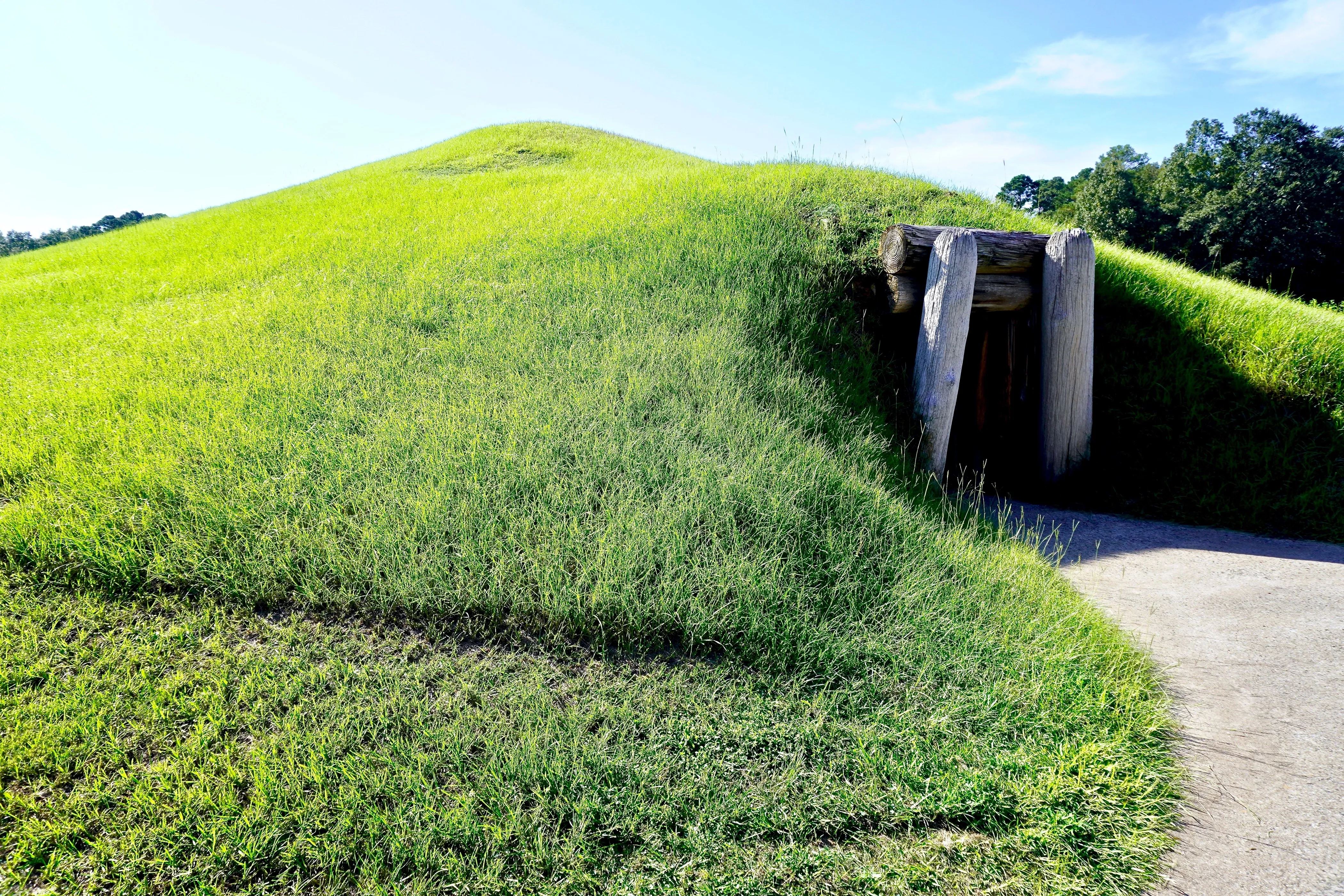
Travel mindfully in North America
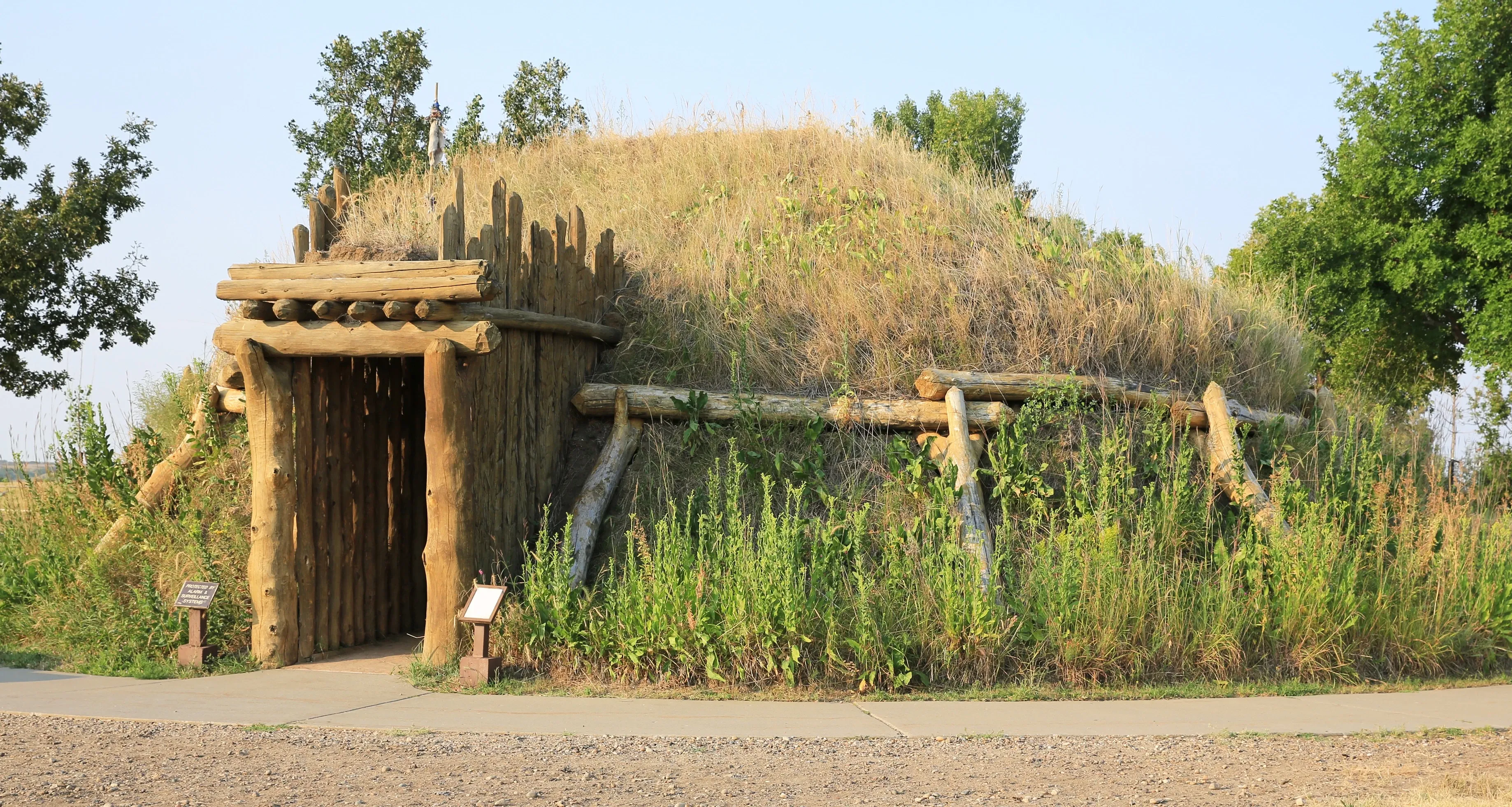
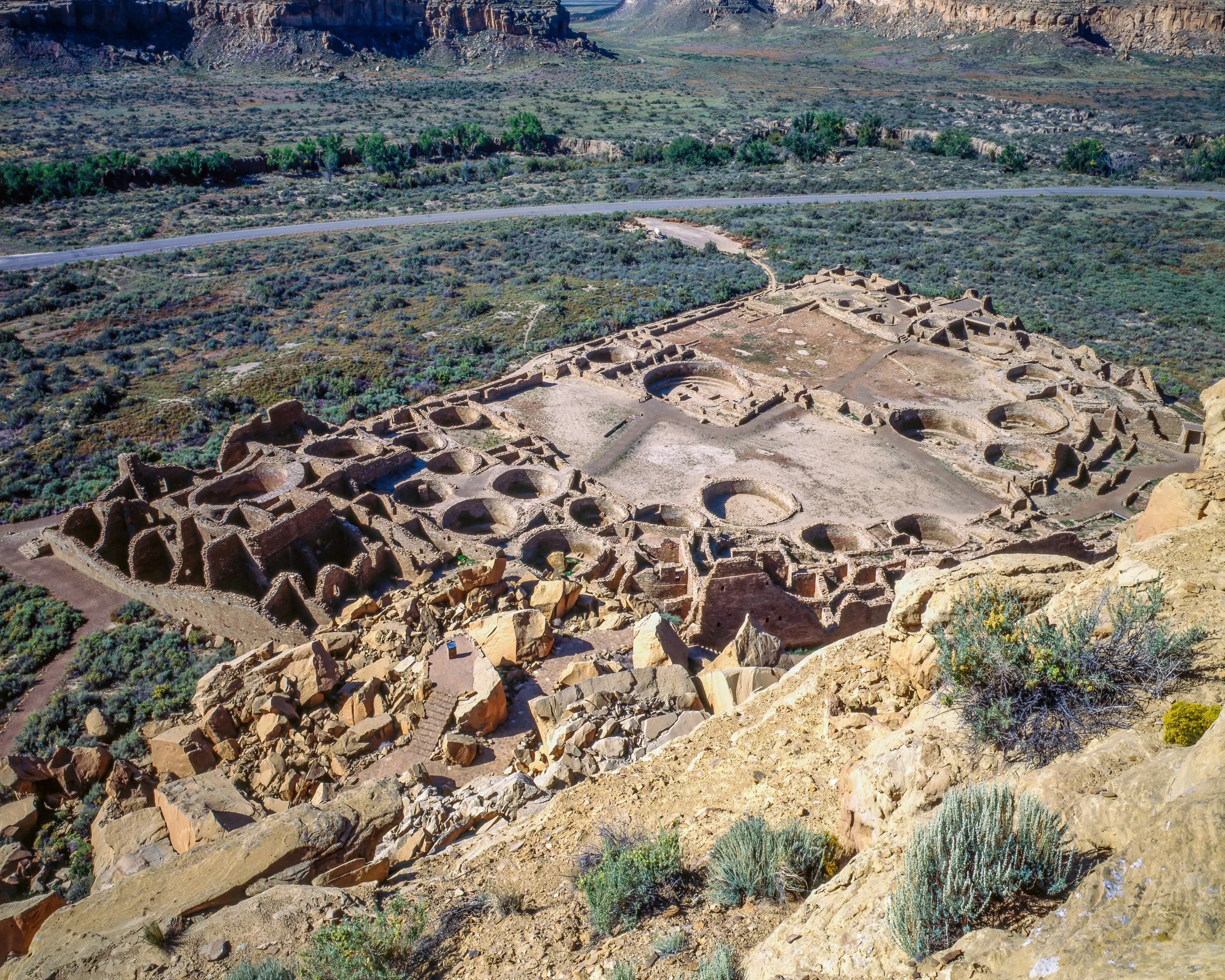
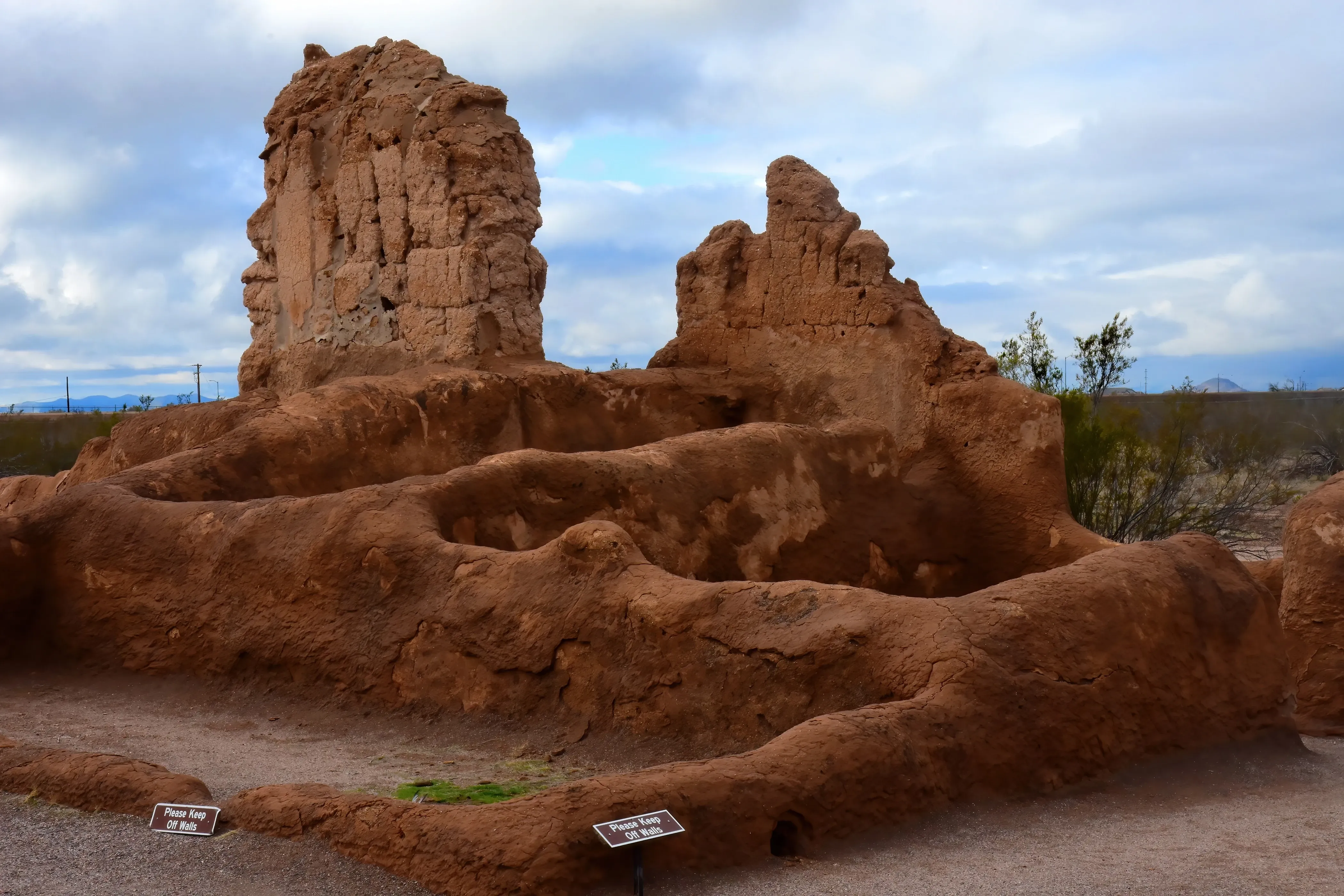
Many indigenous cultures are closely intertwined with sustainability and nature, and their lands often encompass fragile biodiverse environments. As such, responsible travel in North America involves respecting and conserving the continent’s diverse and unique ecosystems. No trip to North America would be complete without trekking through national parks and appreciating the beauty of the great outdoors.
Just remember to approach your trip with connection in mind – be at one with the natural environment and aim to leave no trace of your journey. Stick to the designated trails and respect wild animals and their habitats.
Better yet, integrate support for local conservation into your trip. Many indigenous communities actively engage in sustainable practices and conservation efforts; by supporting indigenous communities, even if that is economically rather than with hands-on conservation work, you will likely be contributing to the protection of the environment.
The relevance of responsible travel
It is our responsibility to adopt a thoughtful, respectful approach to travel in North America. To do that, we must first familiarise ourselves with indigenous peoples’ heritage and their histories, as well as their customs in the modern day, and be careful to respect any indigenous cultures we encounter on our travels. In line with respecting indigenous cultures, we must also protect the environment.
Travelling mindfully and engaging with local indigenous communities in an ethical, supportive manner will help preserve both the natural environment and the rich cultural legacy of indigenous peoples – not to mention the memorable experiences it will bring to your journey. Use your trip as an opportunity to connect with our global community and the planet we all share.
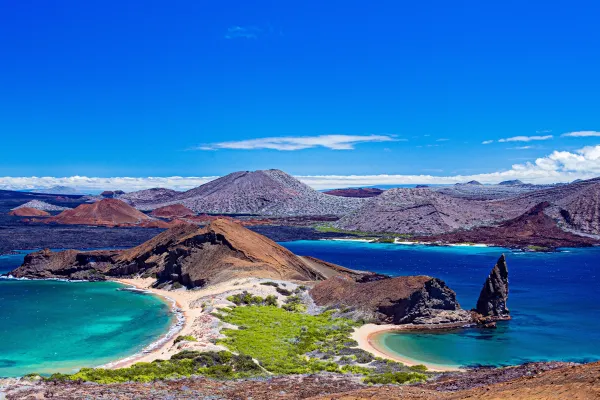
Eco-conscious travel in the Galapagos Islands
There are few places on Earth so unique in biodiversity and natural wonder than the Galapagos Islands. Thats why it must be protected and cared for at all costs - find out more.
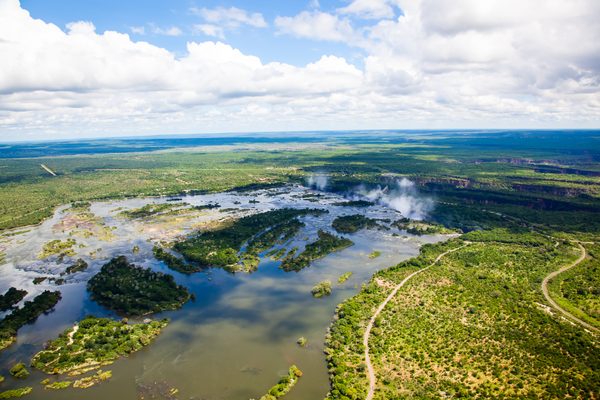
A voice from the wilderness: Schuckmannsburg
Uncover the rich history, vibrant culture, and stunning landscapes of Schuckmannsburg told by Alan McSmith —your next adventure awaits!
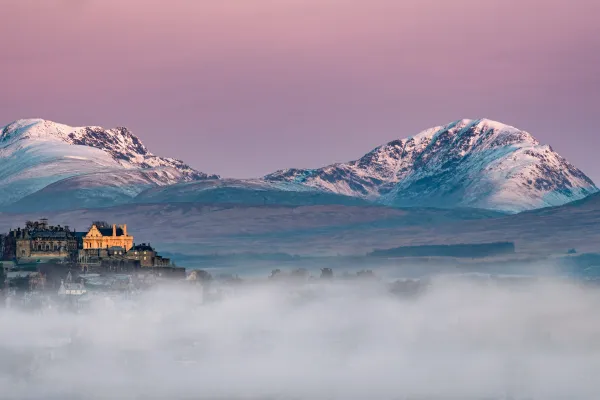
Mountain adventures in Scotland
Scotland is a first-class destination for outdoor adventurers. Whether you're looking for peace and quiet or a pure adrenaline rush, find out more about hiking in Scotland.

Namibia - What its all about
Namibia is a land of contrasts, from the rolling dunes of the Namib Desert to the beautiful shores of Swakopmund. Find out what its all about and explore this beautiful country.
Exploring ecology: understanding the basics
Dive into the essentials of ecology, exploring the roles of organisms, interactions, and the intricate balance that sustains our planet’s ecosystems.

Species Introduction: The Eurasian lynx
The Eurasian Lynx has been reintroduced to ancient forests throughout Europe, survived extinction, and is already making an impressive come-back in the wilderness.
Sign up for the newsletter
By clicking on “Subscribe now” I will subscribe to the Conscious Explorer newsletter with all the information about mindful travel. Information on the success measurement included in the consent, the use of the shipping service provider MailChimp, logging of the registration and your rights of revocation can be found in our privacy policy.