
Species Introduction: Hyena
The haunting “whooop” of the Spotted Hyena rises above the African savannah like a spectral call, echoing through the dusk with an unmistakable blend of power and mystery.
The Spotted Hyena, often misunderstood, carries with it a story of strength, intelligence, and social intricacy. Far from the mere scavenger it is so often painted to be, the Crocuta crocuta is a true master of survival.
With a talent for hunting in highly coordinated packs and a remarkable ability to thrive in diverse landscapes ranging from sweeping grasslands to open forests, it commands respect and intrigue. The hyena’s spotted coat and its trademark "laugh" are not just for show; they embody the animal’s remarkable adaptability and resilience in an ever-evolving world.
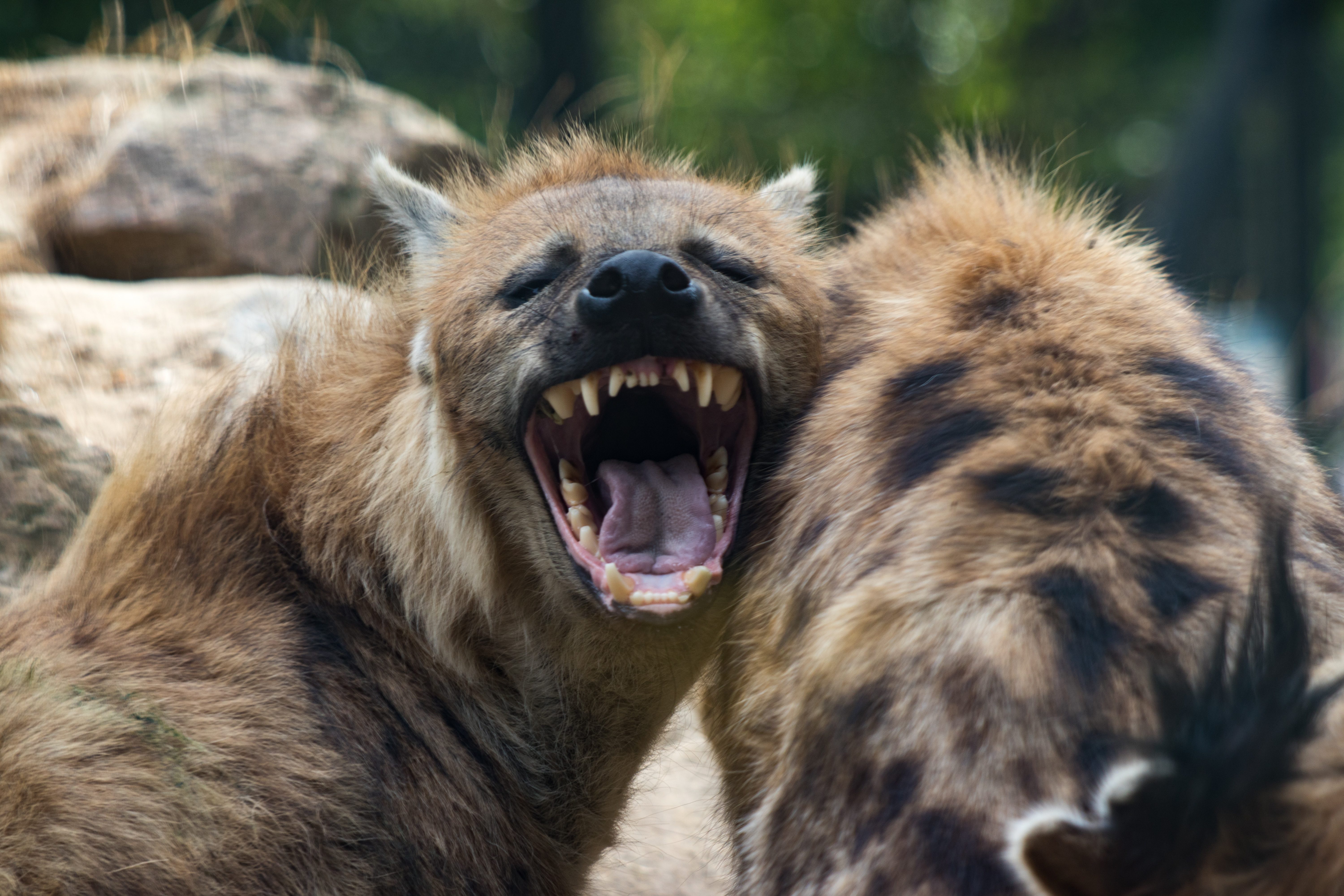
In the pulse of Africa’s wild heart, the Spotted Hyena reigns as an apex predator —its strategic cunning and tightly-knit social structures lead by a female weaving it into the very fabric of the ecosystem. With an intellect that allows it to out man-oeuvre rivals, both human and animal alike, the Spotted Hyena plays a crucial role in maintaining the delicate balance of its environment.
By keeping prey populations in check, it ensures the health and harmony of the food chain, shaping the ecological narrative in profound ways. However, this iconic Africa species now faces mounting threats.
Habitat destruction, human-wildlife conflict, and the encroachment of human activity put the fragile ecosystems the hyena depends on in jeopardy. As their environment continues to change, conservation efforts must become a priority, ensuring that the Spotted Hyena continues to thrive as a symbol of Africa’s wild legacy.
Fact sheet: Hyena
- Name: Spotted Hyena
- Scientific name: Crocuta crocuta
- Order: Carnivora
- Family: Hyaenidae
- Animal characteristics: Coarse, spotted fur, large powerful jaws, and keen senses. The hyena’s build is designed for endurance, enabling it to cover large distances in search of food.
- Size: Adults typically measure up to 1.5 meters in length, including the tail, and stand about 0.9 meters tall at the shoulder.
- Weight: Generally between 40 to 80 kilograms, with females often heavier than males.
- Lifespan: 20 years
- Origin: Spotted hyenas originated in Eurasia around 10-15 million years ago and later migrated to Africa, where they evolved into their current form about 2-3 million years ago.
- Habitat: They prefer open grasslands and savannahs but are adaptable, living in diverse habitats including arid zones and wooded areas.
- Home range: Territories may span several hundred square kilometres, depending on the availability of food and water.
- Diet: Opportunistic carnivores, Spotted Hyenas are capable hunters but also scavenge from other predators. Their diet includes large ungulates, smaller mammals, and occasionally birds. Hyenas are also known to consume bones, thanks to their powerful jaws, which aid in the digestion of tough material.
- Social behaviour: Spotted Hyenas live in complex, matriarchal societies, where females hold higher status than males.
- Endangerment status: Least Concern (according to the International Union for Conservation of Nature (IUCN) Red List), though local populations may face threats due to habitat loss and human-wildlife conflict.
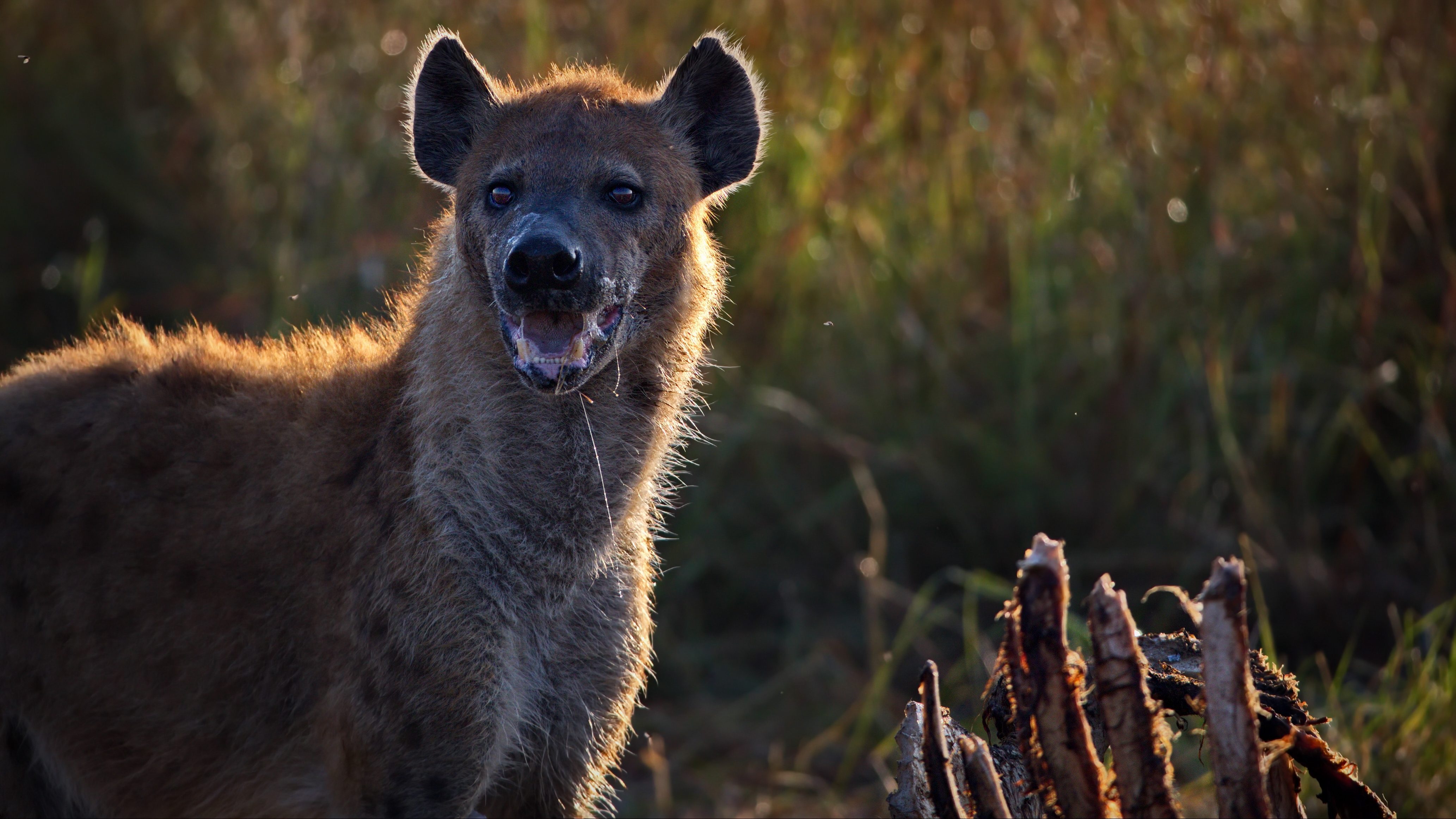
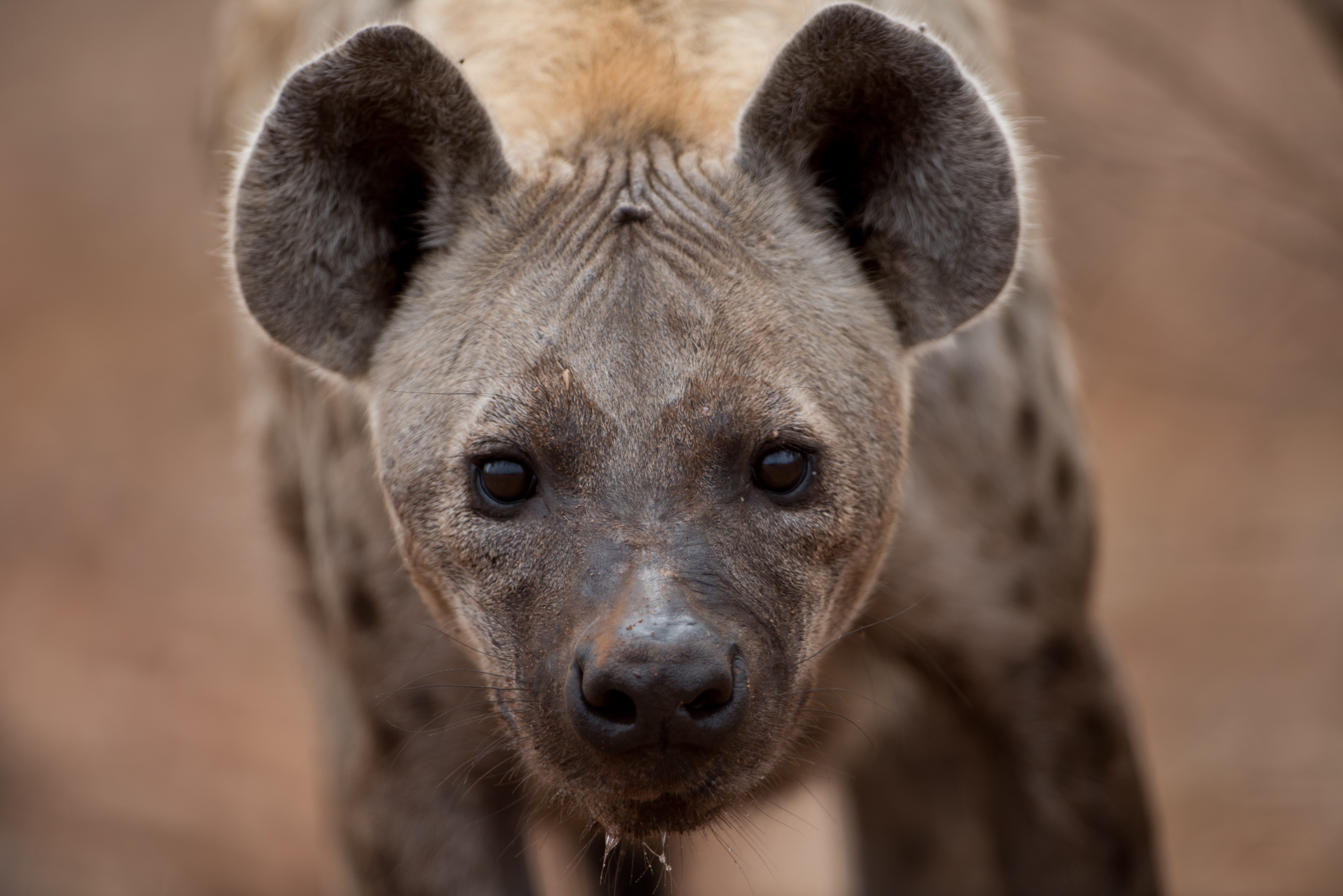
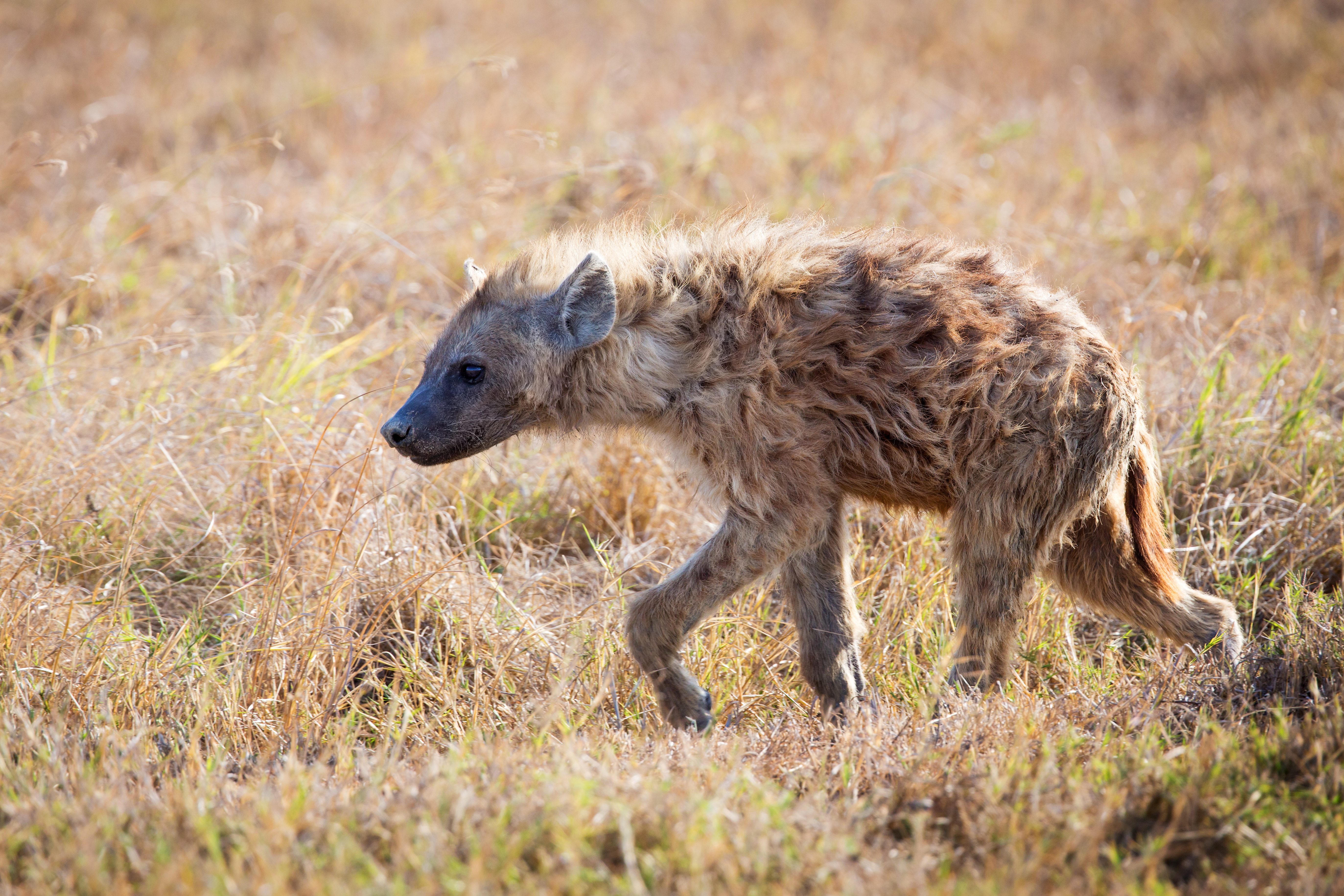
Typical characteristics of the Spotted Hyena
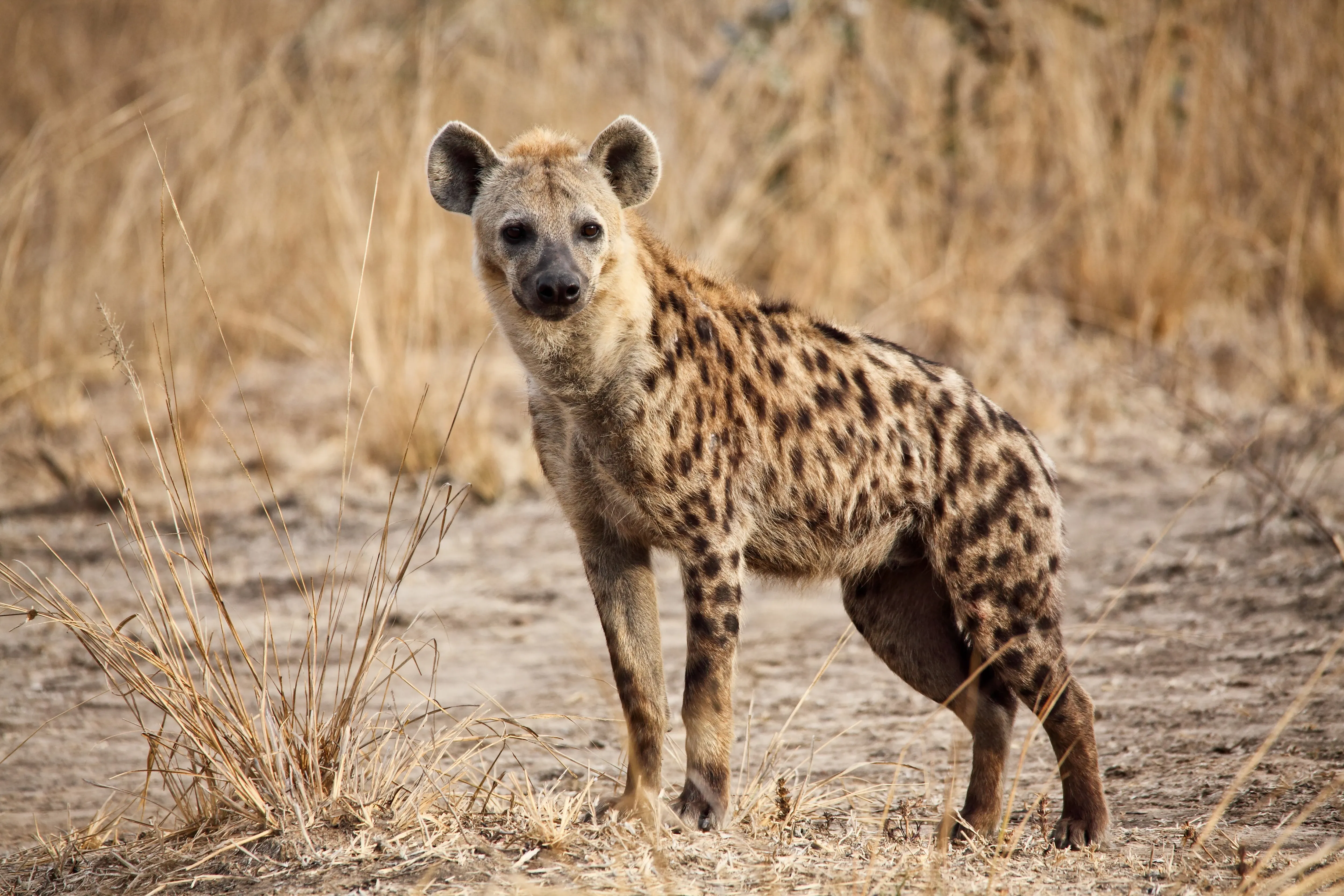
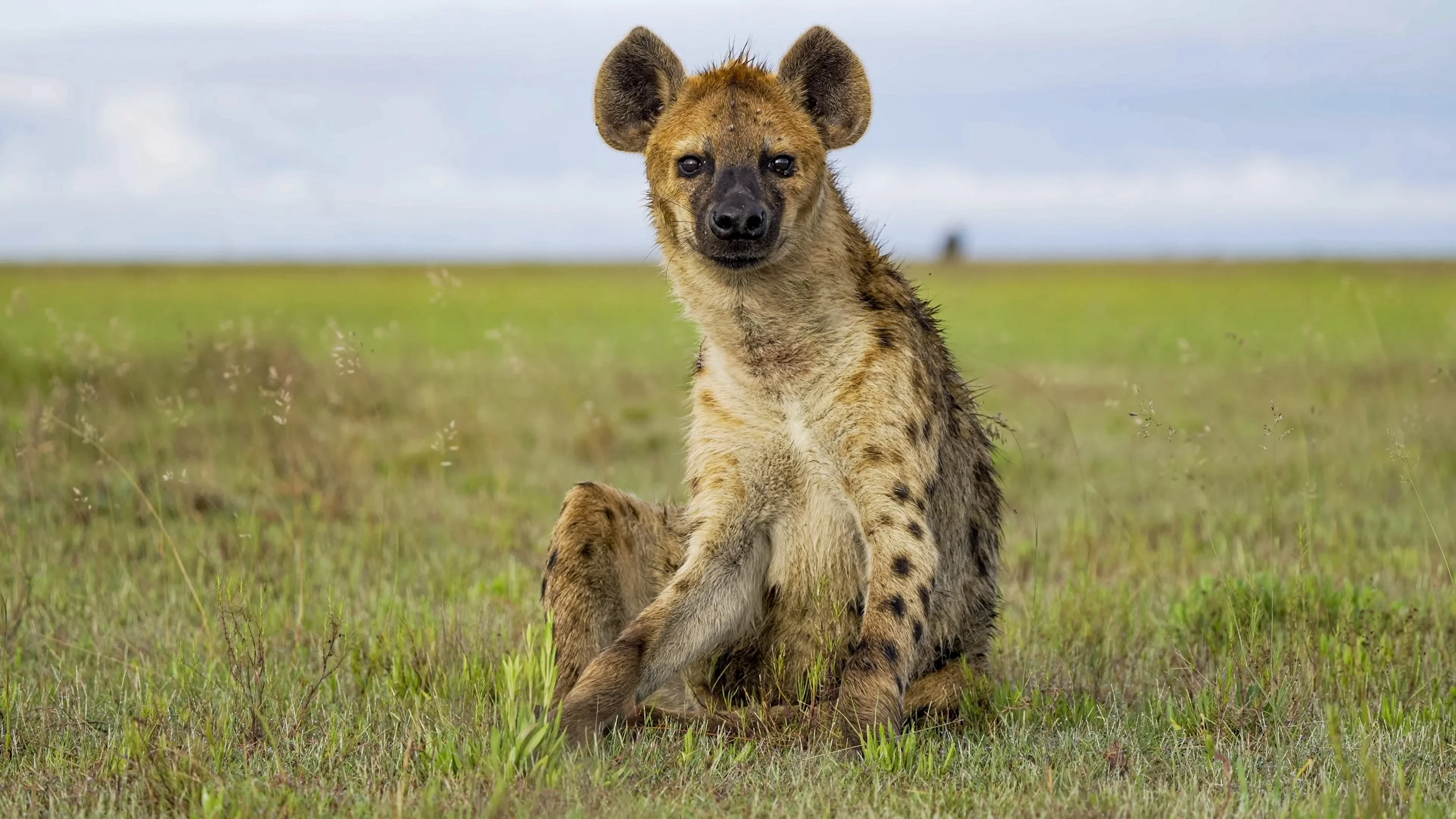
Spotted hyenas (Crocuta crocuta) are among Africa’s most distinctive and recognisable predators. Their tawny fur, adorned with dark spots, provides excellent camouflage, allowing them to blend seamlessly into the grasslands and forests they inhabit. While their appearance may suggest a resemblance to dogs, hyenas are actually more closely related to mongooses and the cat family. They belong to their own unique family, Hyaenidae, which includes three additional species that we’ll explore later in this text.
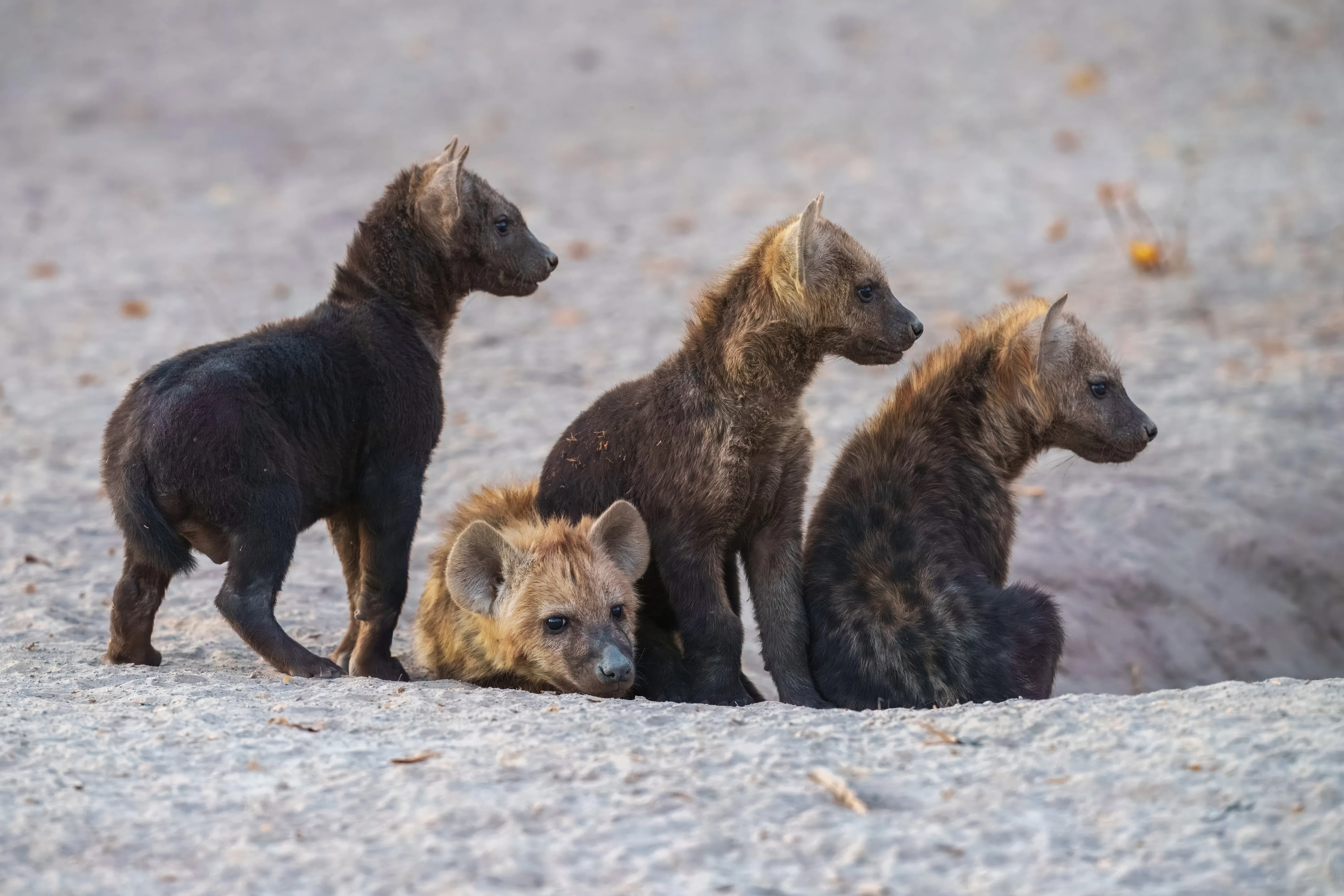
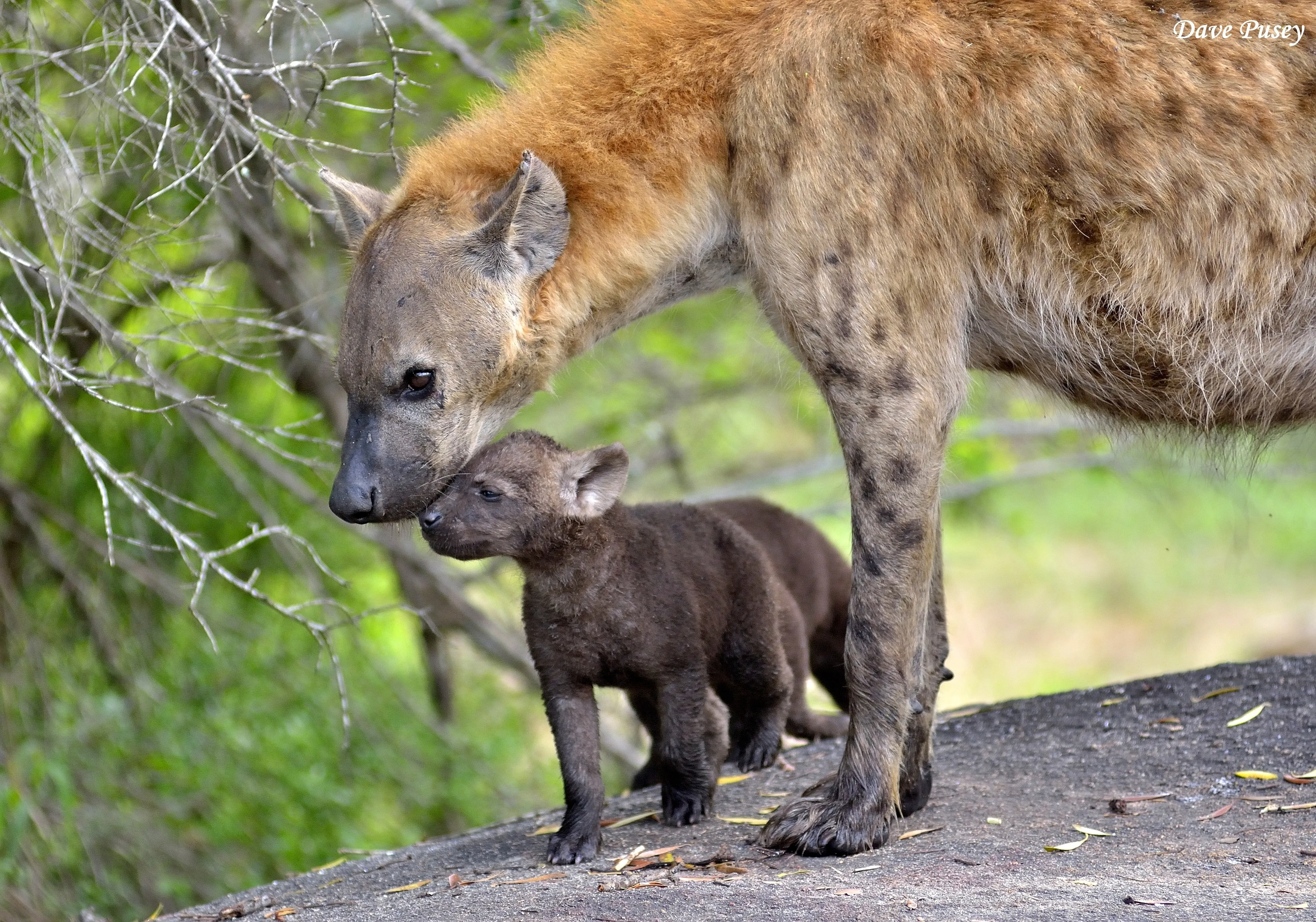
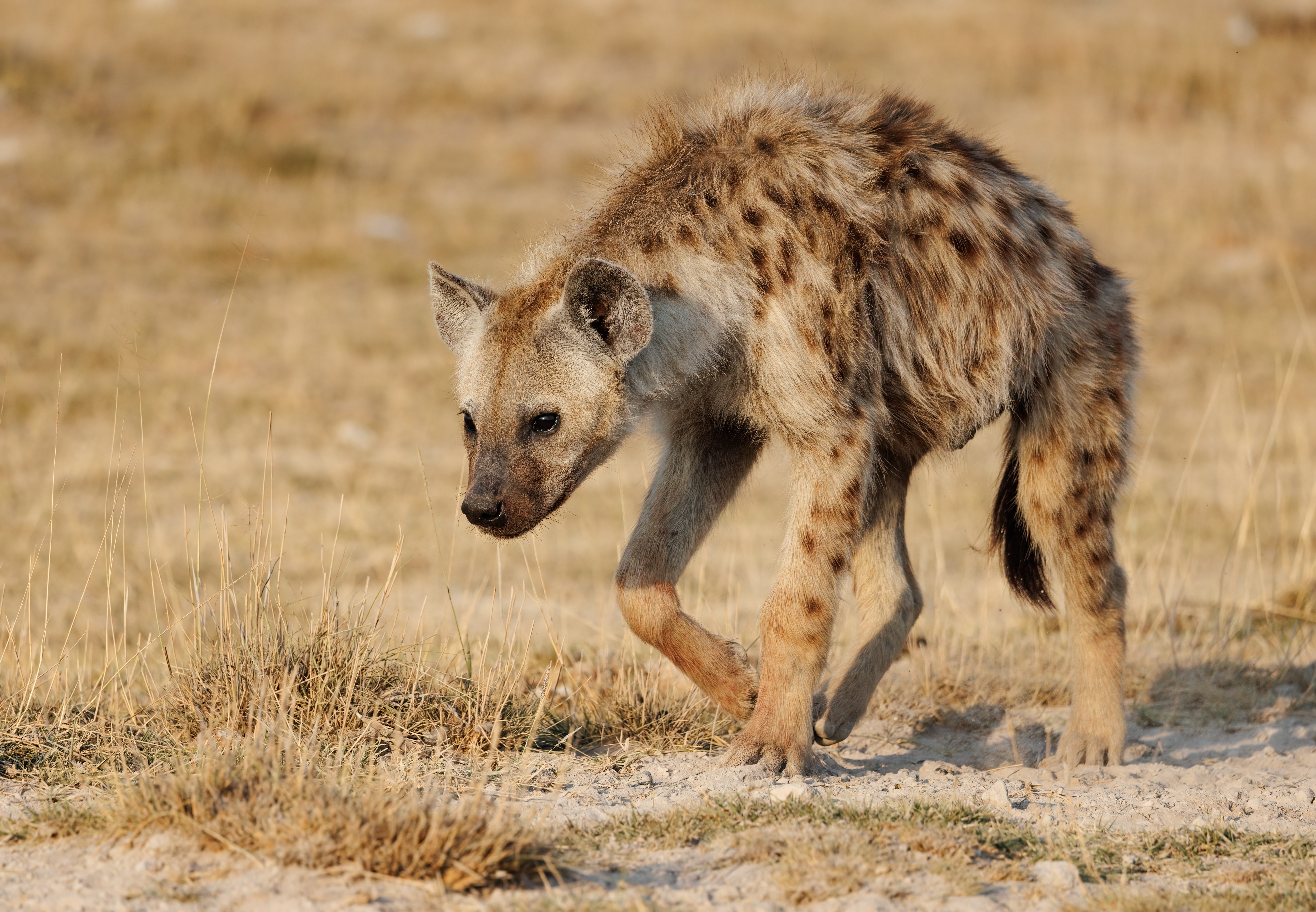
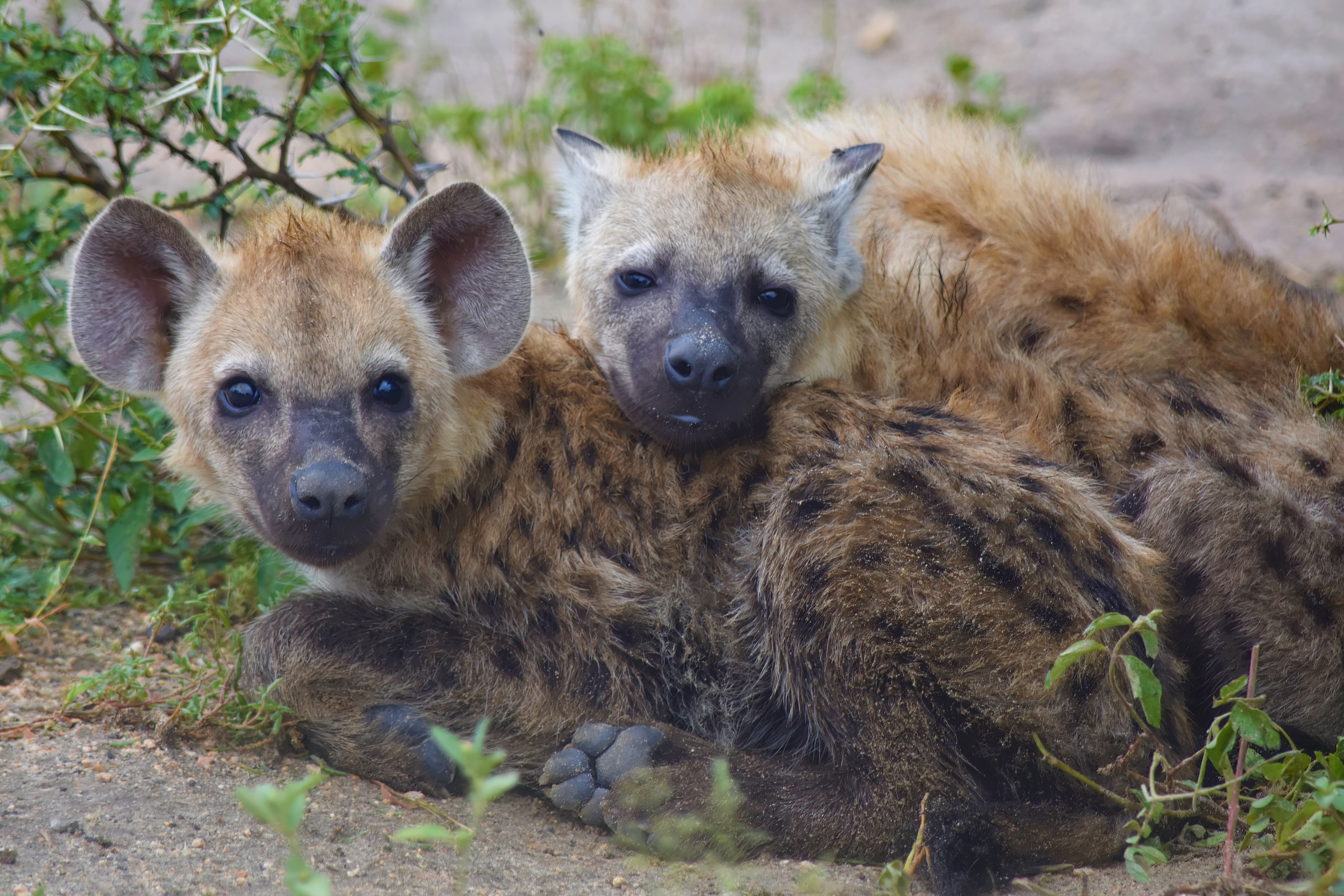
Hyena cubs are born with dark, black fur that gradually lightens as they mature. This natural transformation offers them vital camouflage during their vulnerable early stages of life. The prominent spots seen in juveniles serve as additional protection, helping them evade predators and later aiding in hunting by blending into their dry or forested surroundings. Their crest hair along the neck and back can be raised to appear larger and to intimidate any competitors.
Physically, spotted hyenas are robust and muscular, built for endurance and strength. Their long, powerful legs allow them to reach speeds of up to 60 km/h, making them both efficient hunters and scavengers. Their muscular forequarters and bulky build enable them to drag heavy prey over long distances. At the same time, their large, wide feet provide stability and adaptability on diverse terrains, from open plains to dense woodlands.
Hyena tracks are distinctive in the African landscape, with kidney-shaped toes and visible claw marks. A large female’s track can measure up to 12 cm in length. The front paws are rounder, built to support their heavy heads, while the elongated hind tracks aid in movement.
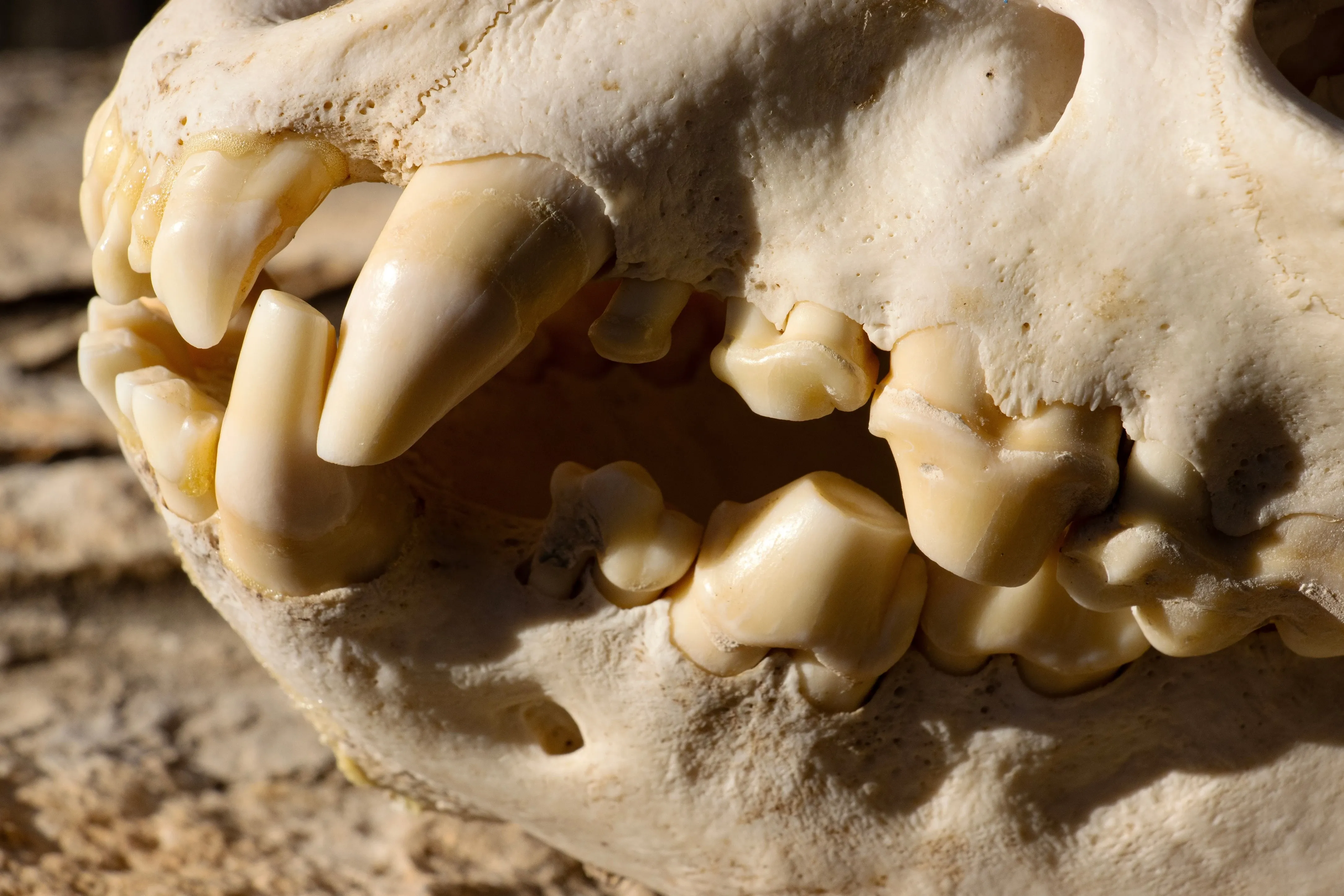
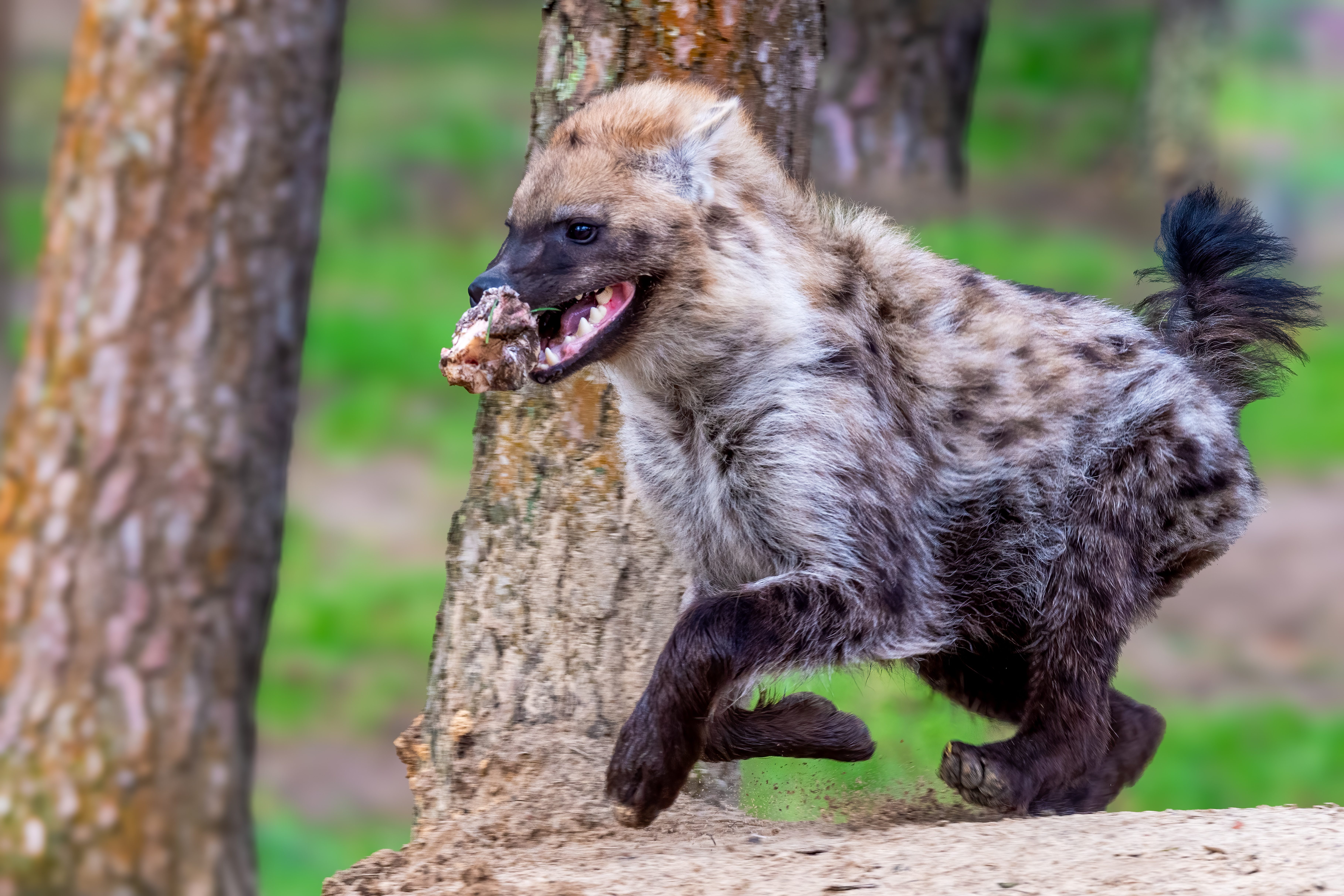
One of the hyena's most remarkable features is its powerful jaw, capable of exerting a bite force of approximately 4,500 Newtons (around 460 kgf). This immense strength allows them to crush bones and consume nearly every part of their prey, including meat and marrow. This unique adaptation gives them an advantage over other predators, as it enables them to access nutrients that others cannot. Hyena dung, often white when dry due to their high bone consumption, even benefits other animals like tortoises, which use it as a source of calcium for their shells.
Hyenas are equipped with large, rounded ears, which enhance their acute sense of hearing—an essential tool for both communication and detecting prey. Combined with their sharp eyesight and keen sense of smell, these sensory adaptations make them exceptional hunters and scavengers.
Distinguishing between male and female hyenas can be surprisingly difficult due to their physical similarities. Female hyenas are larger and more dominant than males and have an elongated clitoris, known as a pseudo-penis, which closely resembles male genitalia. However, upon closer inspection, females lack the triangular glans present on a male’s penis. Uniquely, the female genitalia also functions as the birth canal, which is exceptionally long—twice the length found in most mammals. This unusual anatomy makes childbirth extremely painful and risky, often leading to stillborn cubs during a first-time mother’s labour due to oxygen deprivation.
Communication skills of the Spotted Hyena
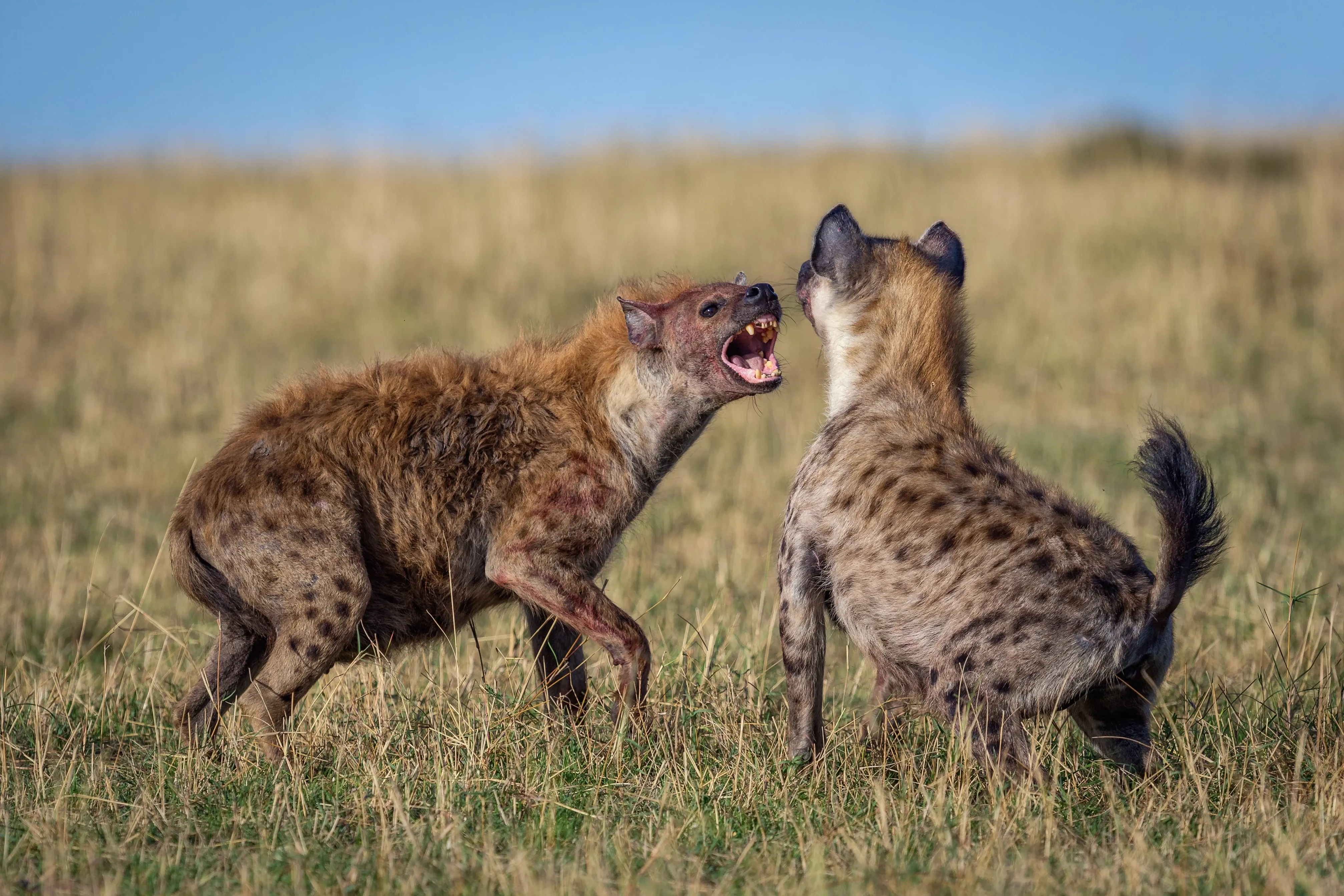
Spotted hyenas have highly developed communication skills that are essential to their complex social structures. They rely on a combination of vocalizations, body language, and scent-marking to coordinate group activities, establish social hierarchies, and strengthen bonds within their clans. Hyenas are particularly known for their diverse range of vocalizations, including whoops, giggles, growls, and screams, each serving a specific purpose.
Their iconic "whoop" call, often heard at night in the African bush, is used to communicate over long distances, helping to coordinate movements or alert clan members to food sources. The well-known "laugh," a high-pitched giggling sound, is usually associated with excitement or social interaction, such as during feeding frenzies or playful behaviour among young hyenas.
Research has also shown that spotted hyenas possess an intricate and context-dependent system of vocal communication. Growls often signal aggression during disputes over food or territory, while submissive whimpers are common in social interactions. This sophisticated vocal repertoire helps maintain order within the clan, reducing unnecessary conflicts—a key to their survival in the wild.
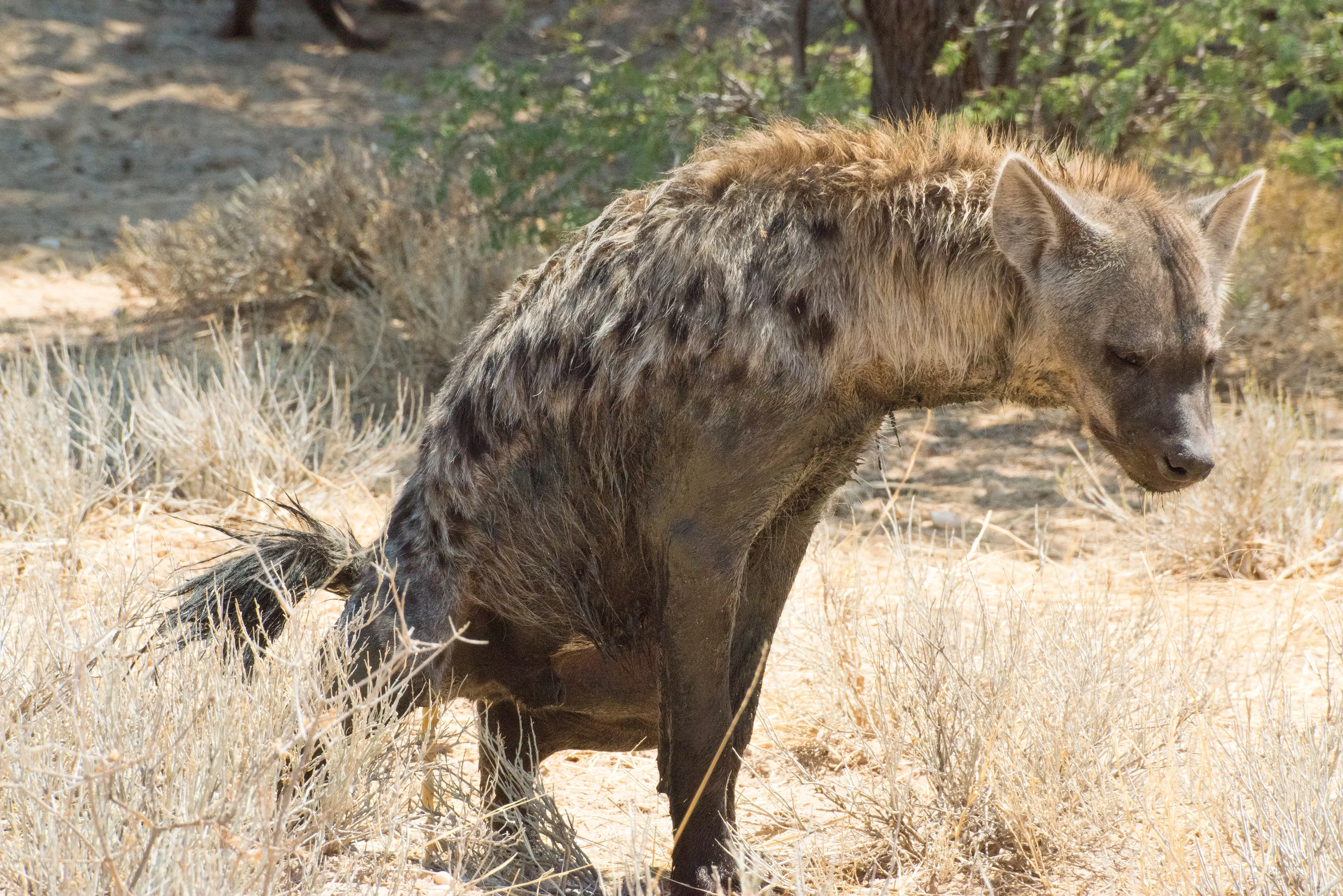
Hyenas also use scent-marking to define their territories and leave a message for other individuals. This behaviour, known as "pasting," involves wiping a strong-smelling secretion from their anal glands onto grass stems or branches. Cubs begin practicing pasting as early as four weeks old, honing a skill that is crucial for marking and defending clan boundaries.
Diet of the Spotted Hyenas
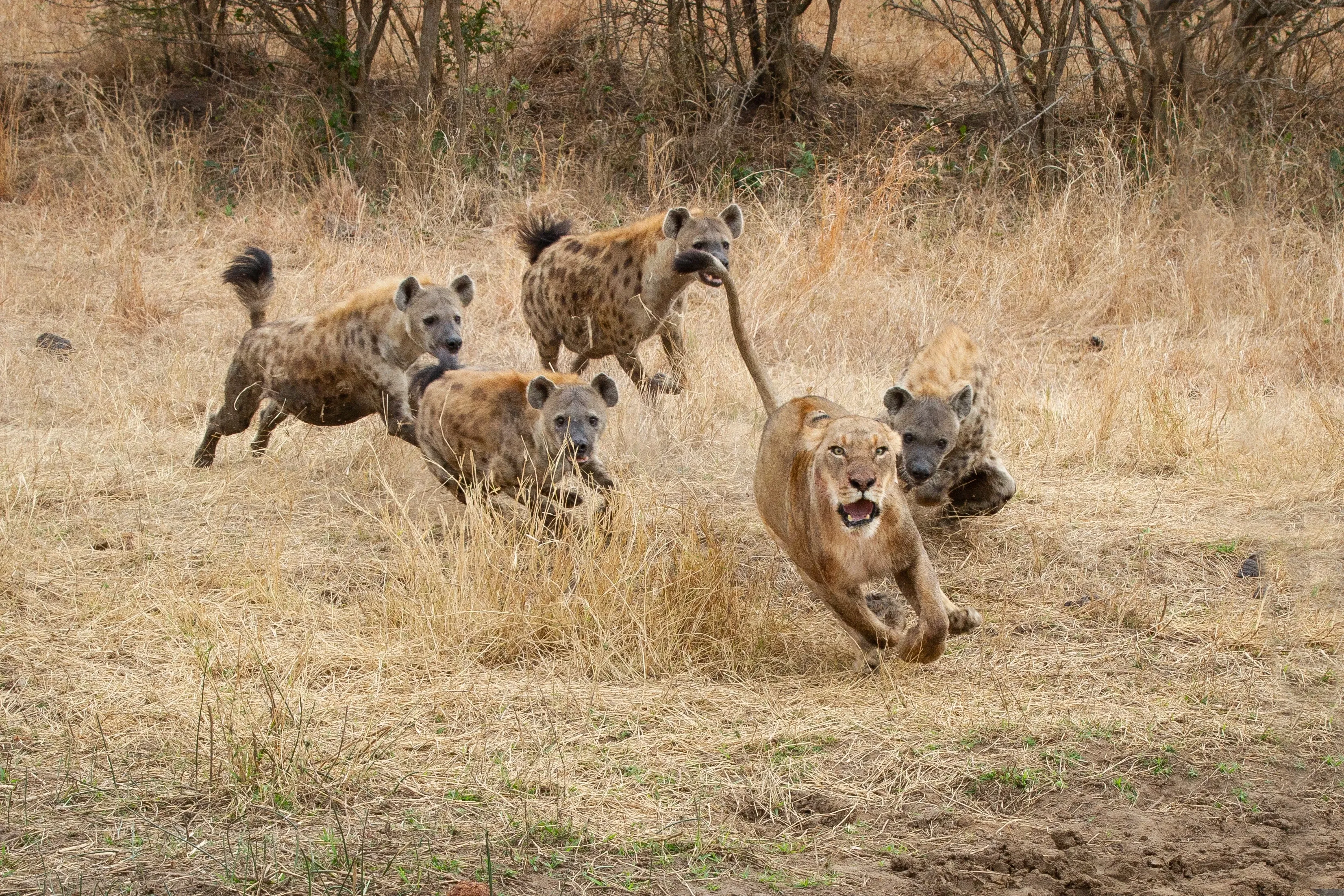
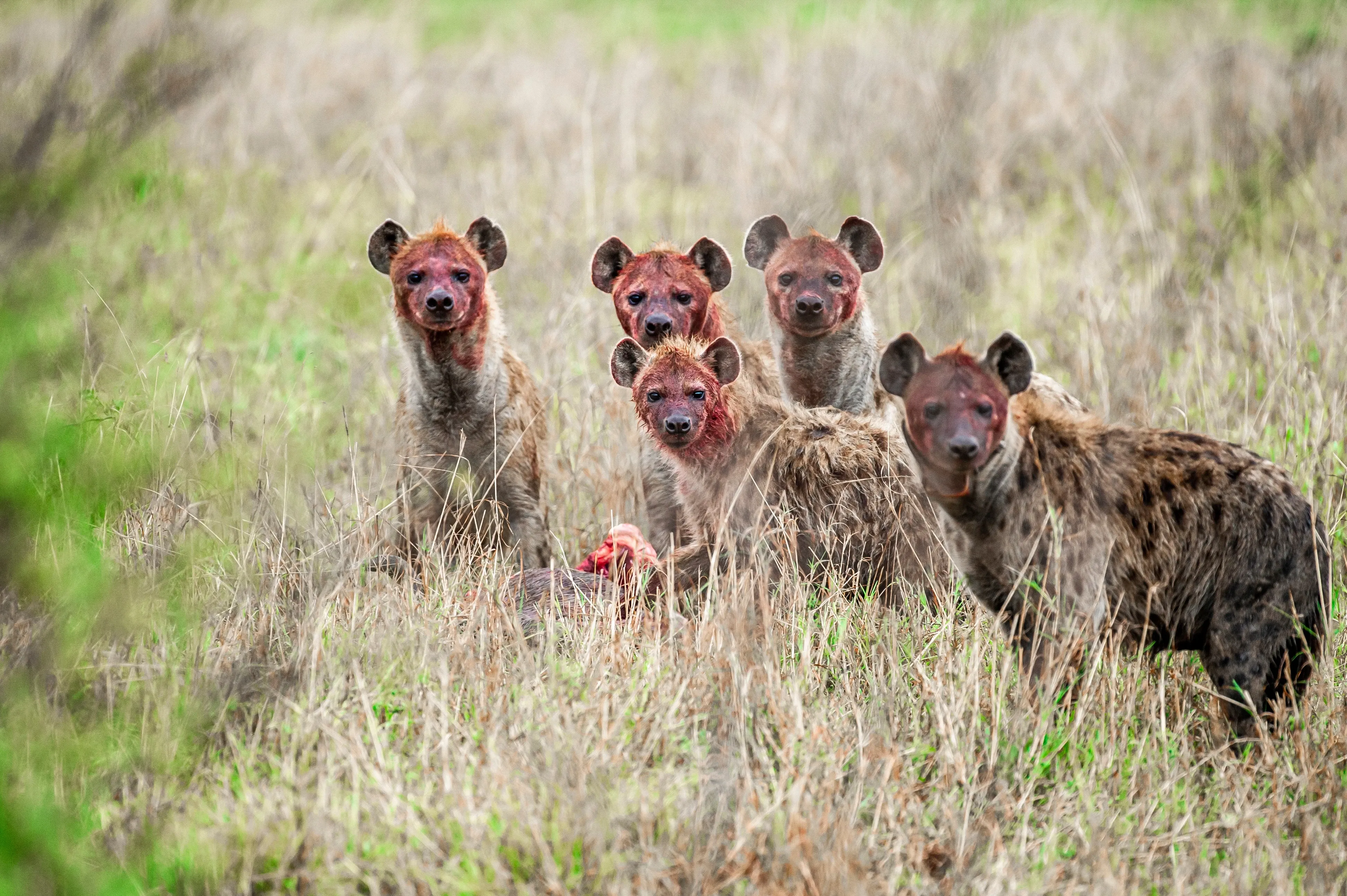
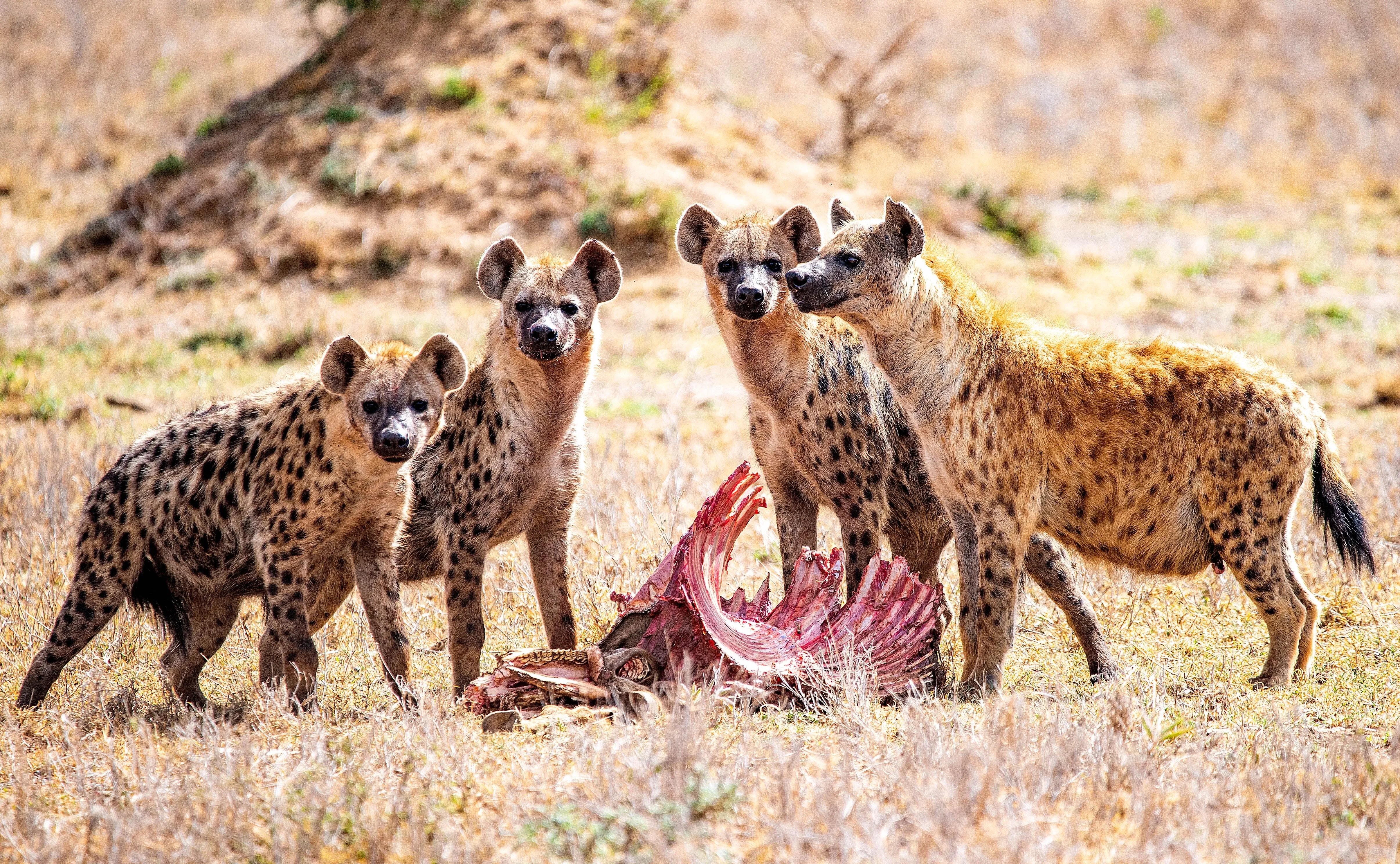
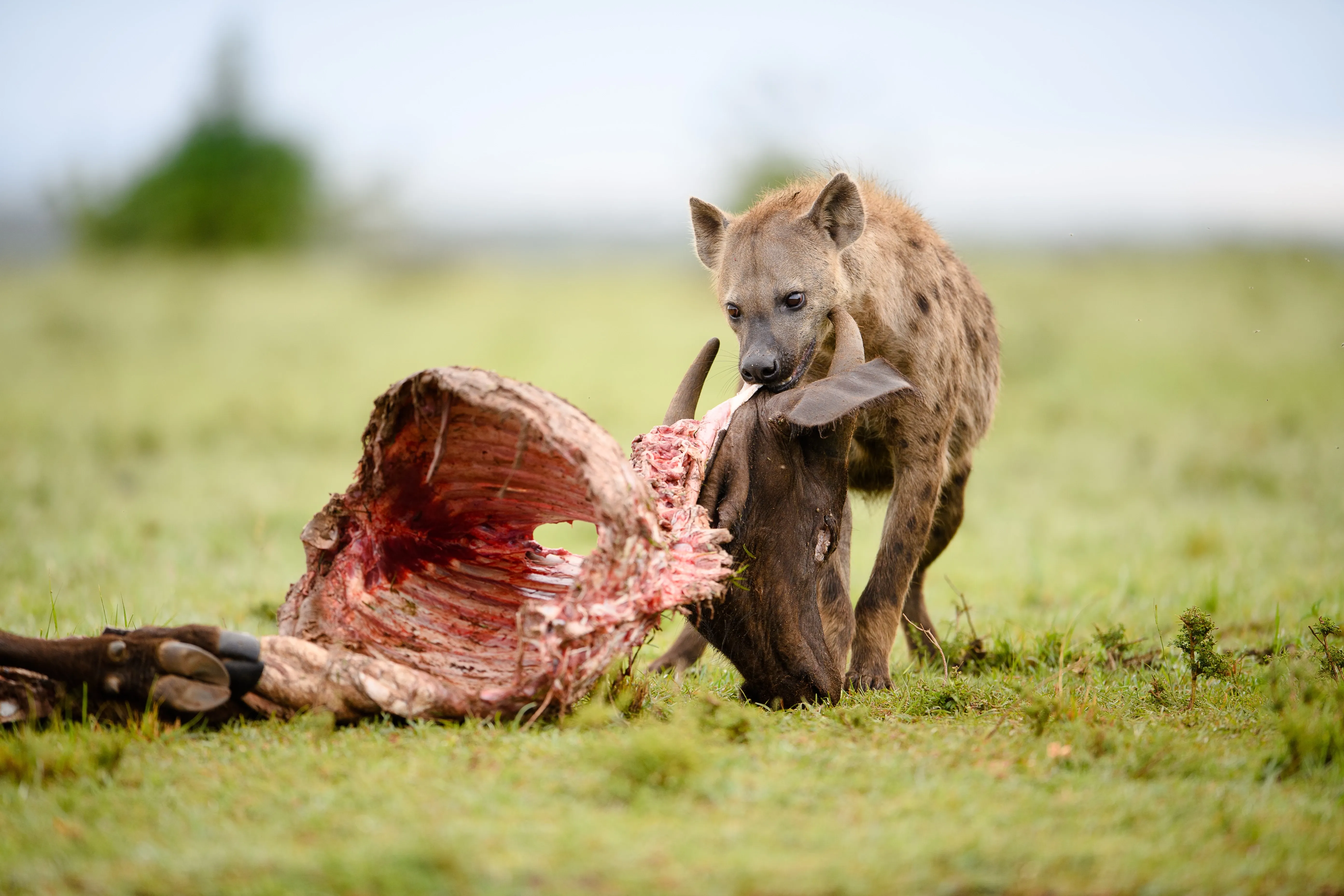
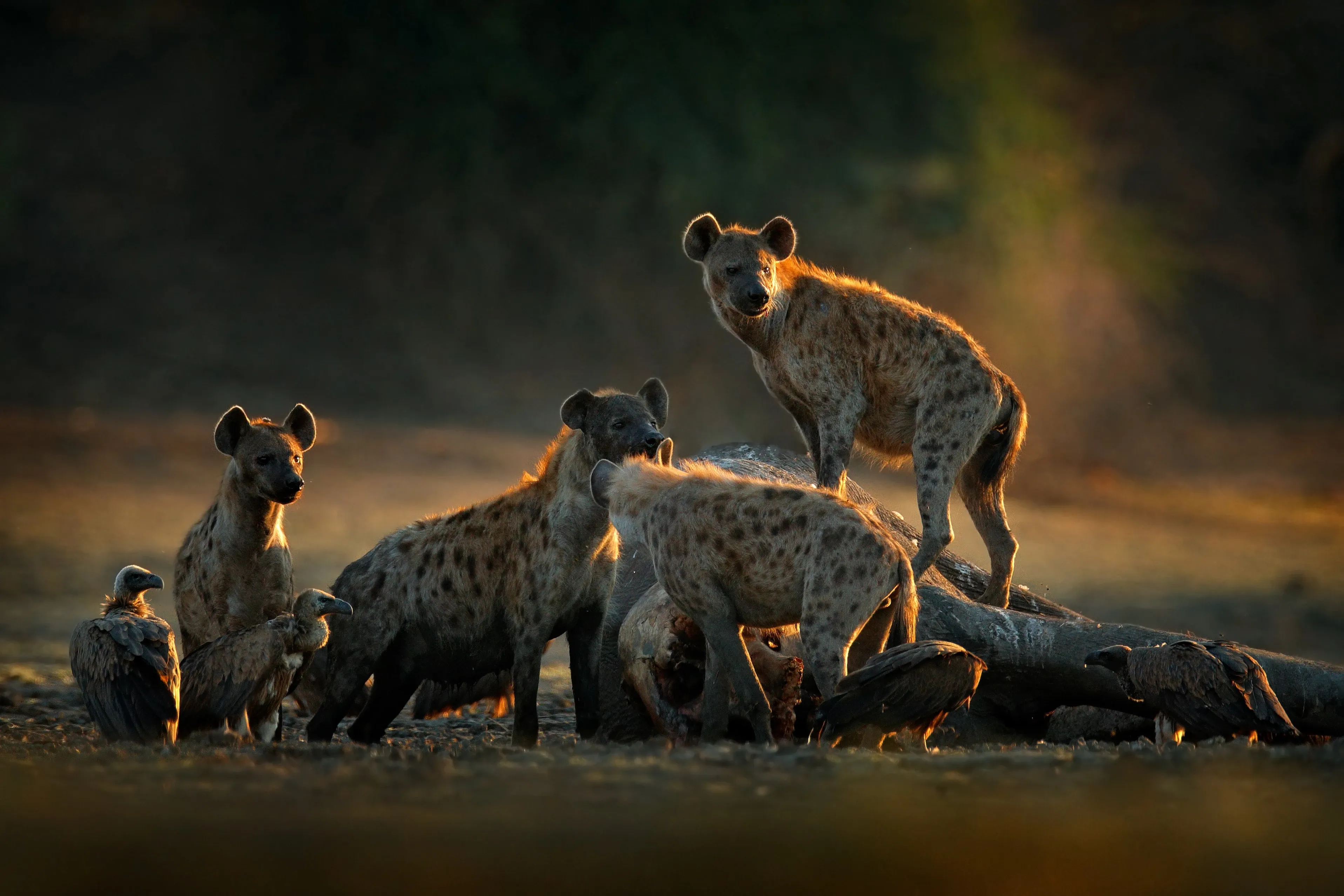
Spotted hyenas are highly adaptable carnivores, thriving as both skilled hunters and efficient scavengers. Their remarkable ability to exploit a wide range of food sources is key to their survival. Working in cooperative clans, they hunt prey such as impalas, wildebeest, zebras, and buffalos, while also scavenging carcasses left by other predators. When the opportunity arises, they will even feed on the remains of large animals like elephants or hippos. Hyenas frequently outcompete other carnivores—including lions, leopards, and wild dogs—for food.
Their success often comes down to their larger group sizes, coordinated vocal communication, and relentless persistence, which allow them to intimidate rivals or steal kills, particularly from lions, their fiercest competitors. Hyenas’ powerful jaws are capable of crushing even the toughest bones, enabling them to consume parts of a carcass that most scavengers cannot access.
In addition to meat, they feed on bones and marrow, which provide essential nutrients. Any indigestible materials, such as hair and hooves, are regurgitated as pellets. As scavengers, hyenas play a critical role in the African ecosystem. Like vultures, they act as part of nature’s “clean-up crew,” feeding on older carcasses and removing potential sources of disease. By targeting the old, sick, or weak animals and cleaning up decaying remains, hyenas contribute to the health of their environment.
Additionally, their feeding habits aid in nutrient cycling, enriching the soil and supporting biodiversity. Their ability to consume nearly every part of a carcass makes them indispensable for maintaining ecological balance, cementing their status as one of Africa’s most adaptable and successful carnivores.
»The secret of observation lies in being still and waiting for nature to reveal itself.«
Distribution and habitat of the Spotted Hyena
Spotted hyenas are found throughout much of the continent, with significant populations the sub-saharan region such as South Africa, Tanzania, Zambia, and the Congo. Their adaptability to different environments makes them one of the most successful carnivores in Africa.
They are most commonly found in open woodlands, scrublands, and the vast grasslands of the savannah, where their hunting and scavenging strategies are most effective. In addition to grasslands, spotted hyenas can also be found in denser, more humid habitats, including the forests and wetlands of East and Central Africa.
Despite their adaptability, spotted hyenas are particularly dependent on the availability of water and food. They are highly mobile, often covering large distances in search of food, and their territories can span several hundred square kilometres depending on prey availability and competition with other predators. Hyenas are often found near water sources, such as rivers, lakes, and wetlands, which provide drinking water and access to a greater variety of prey species.
The social behaviour of the Spotted Hyena
Spotted hyenas live in close-knit clans, ruled by a dominant female, in a society known as matriarchy. At the top of this hierarchy is the queen—the most dominant female—while others fall into a well-defined rank order. Interestingly, all females, along with their female offspring, outrank the males. A female cub inherits her mother's rank, while her male sibling is immediately placed lower. This eliminates any rivalry between the cubs for food or affection.
However, when a mother gives birth to two female cubs, a fierce competition for dominance begins, often resulting in siblicide. Male cubs, on the other hand, leave the clan around the age of two, seeking new territories and, with it, a chance to rise in rank and contribute to the clan’s genetic diversity. Occasionally, females may also break away from their birth clan to pursue higher status.
The clan's life revolves around a communal den, where cubs are born and hidden until they are old enough to join the hunts or scavenge. While the mothers are off hunting to provide their rich, nutrient-packed milk for the cubs, a "babysitter" stays behind to watch over the young ones. Play is a vital part of the cubs' lives—through it, they learn the survival skills that will serve them for a lifetime. Known for their curiosity, spotted hyenas often nibble and bite at objects in their environment, from sticks to car tires, just to understand their structure. This inquisitiveness has led many safari lodges to protect their vehicles and property with thorny shrubs, as hyenas have been known to puncture tyres. Visitors are also advised to secure their belongings—hyenas are notorious for snatching whatever piques their interest.
Due to their portrayal in films like The Lion King, hyenas are among the most misunderstood animals on the planet. In reality, they are deeply loving mothers, just like any other large carnivore. Within their clan, there is a strong sense of kinship and cooperation, and they work seamlessly together during hunts or while scavenging. Their intelligence, complex social bonds, and remarkable adaptability make them some of nature’s most fascinating—and often underappreciated—animals.
Interesting questions about the Spotted Hyena
1. How do Spotted Hyenas cool down in the heat of Africa?
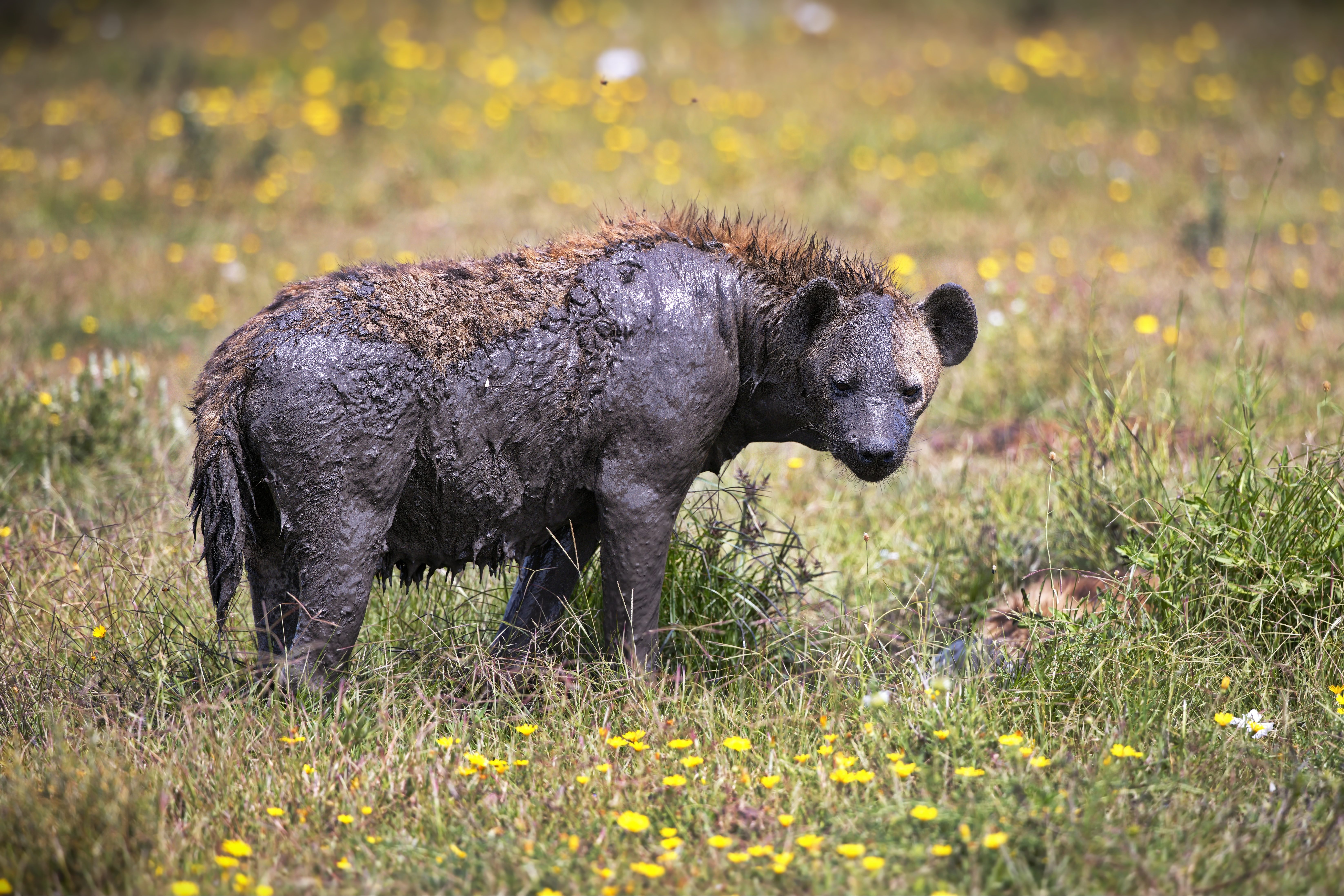
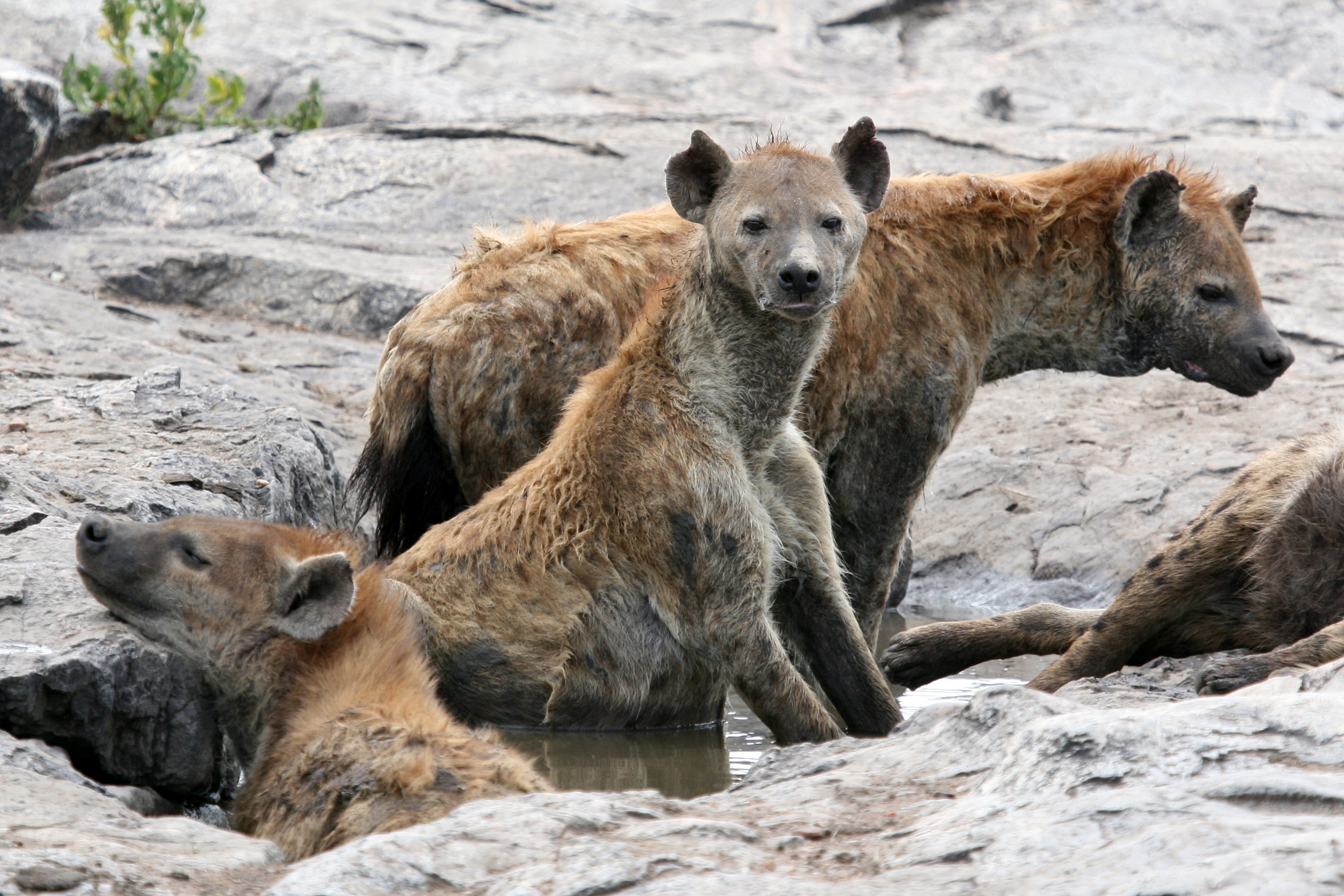
Besides sitting in the shade, spotted hyenas are often encountered in water puddles or mud wallows to keep themselves cool during the heat of the day. They often use those pools also to use the cooling effects for wounds to heal. They often spend longer amounts of times in them, resting until it is time to proceed with their food search.
2. Do Spotted Hyenas have any natural predators?
Spotted hyenas have few natural predators as apex predators themselves. However, their cubs are vulnerable to lions, which may kill them during territorial disputes. Lions and hyenas often compete for food and territory, leading to occasional violent encounters. While adult hyenas are rarely threatened, they can face danger from large predators like crocodiles or wild dogs, when on their own.
3. Are there other Hyena species?
Besides the Spotted Hyena there are three other species found in the Hyaenidae family.
These include:
- Brown Hyena (Parahyaena brunnea): Found in southern Africa, particularly in Namibia, Botswana, and South Africa, the brown hyena has a shaggy, dark brown coat with a lighter, cream-colored underbelly. It has a long, pointed face and a thick mane along its neck and shoulders, giving it a distinctive, scruffy appearance.
- Aardwolf (Proteles cristata): Found in East and southern Africa, the aardwolf has a slender, hyena-like build but is smaller in size. Its coat is yellow-brown with dark stripes running along its body, and it has a pointed snout, large ears, and a relatively short mane compared to other hyenas. Unlike its relatives, it feeds primarily on termites.
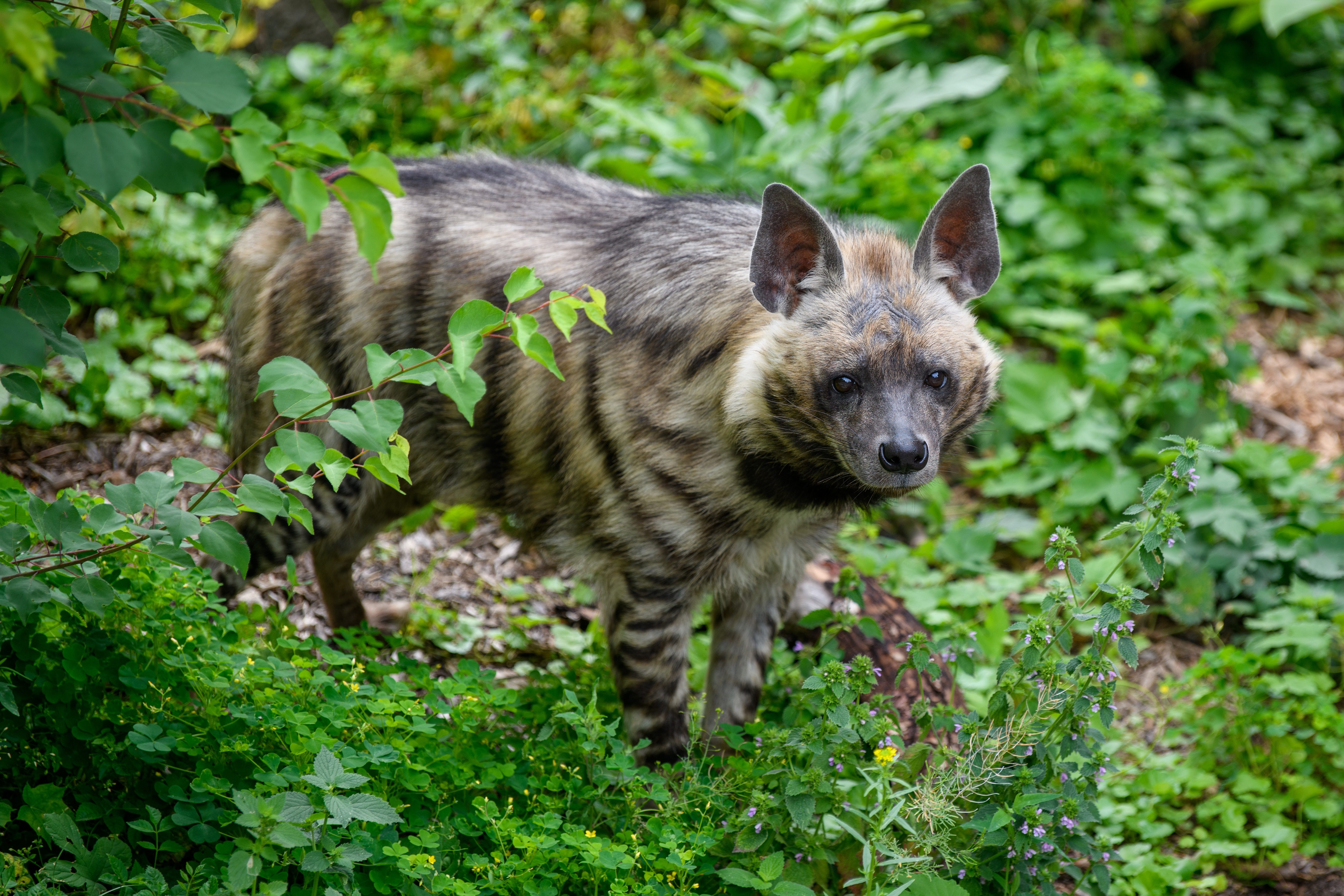
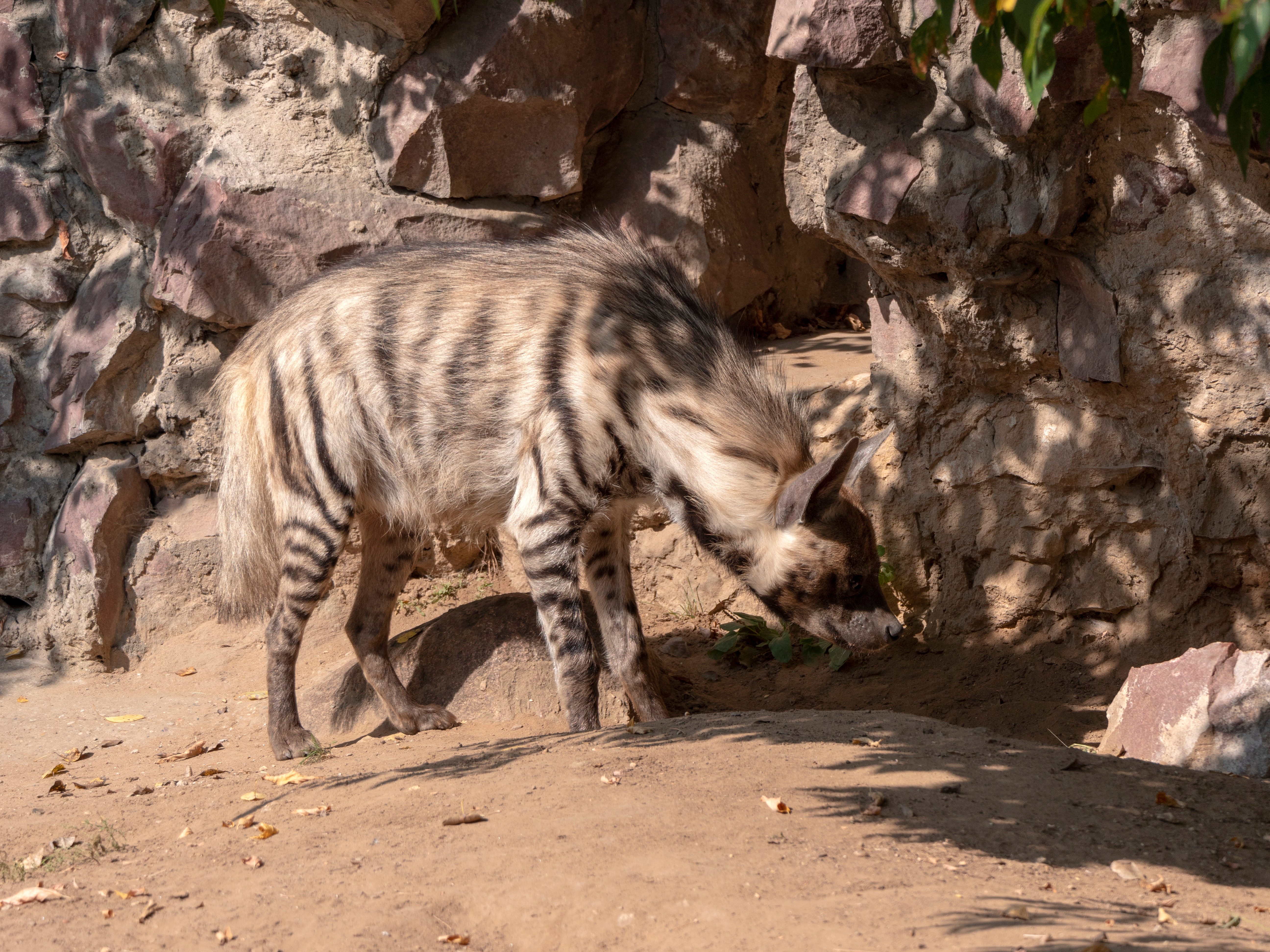
- Striped Hyena (Hyaena hyaena): Native to the Middle East, Central Asia, and parts of Africa, the striped hyena has a distinct appearance with a grayish coat and black stripes running along its body. It has a mane running along its back, giving it a rugged look, and a smaller, more slender build compared to the Spotted Hyena.
Conservation status of the Spotted Hyena
The Spotted Hyena is classified as Least Concern on the IUCN Red List, though its populations face pressures in certain areas. Found across sub-Saharan Africa, this species thrives in savannas, grasslands, and open woodlands, but environmental changes have led to a decline in numbers in some regions. While still widespread, habitat loss, human-wildlife conflict, and poaching are key threats to their survival.
The primary threats to the Spotted Hyena include:
- Habitat loss due to agricultural expansion and human settlements, which disrupt their hunting grounds and denning sites.
- Human-wildlife conflict, particularly in areas where hyenas are seen as pests or threats to livestock, leading to retaliatory killings.
- Poaching for their pelts, teeth, and bones, often driven by traditional beliefs or illegal wildlife trade.
- Climate change, which could alter food availability and impact the ecosystems hyenas rely on.
Conservation efforts to protect the Spotted Hyena include:
- Protected area expansion, ensuring safe habitats for hyenas and other wildlife.
- Community-based conservation programs that engage local people in protecting hyenas and reducing conflict through livestock management practices.
- Anti-poaching initiatives, such as strengthened law enforcement and awareness campaigns to reduce illegal hunting.
- Research and monitoring to understand hyena behavior, population dynamics, and habitat needs to inform conservation strategies.
- Reintroduction initiatives, where Spotted Hyenas are being reintroduced into areas where they’ve been extirpated to restore ecological balance and promote genetic diversity.
Conservation success in Spotted Hyena conservation
Spotted Hyena conservation has seen notable progress, thanks to dedicated efforts across Africa. These examples highlight the critical roles of habitat protection, community engagement, and scientific research in ensuring the survival of this iconic species.
Conservationists have made strides in securing vital habitats for Spotted Hyenas by establishing protected areas, such as the Maasai Mara National Reserve in Kenya. These areas provide safe environments for hyenas to hunt, breed, and thrive while offering protection against human-wildlife conflict and poaching. Efforts in these reserves have seen stabilized or growing hyena populations.
Community involvement has been essential in mitigating human-wildlife conflict and ensuring the survival of Spotted Hyenas. In some regions, local communities have worked alongside conservation groups to protect hyenas by promoting livestock management practices and reducing retaliatory killings.
By integrating hyenas into local eco-tourism initiatives, communities benefit economically while simultaneously contributing to the species' conservation.
Ongoing research and monitoring of Spotted Hyena populations have been instrumental in informing conservation efforts. Projects such as the long-term study of hyenas in Mozambique’s Gorongosa National Park or South Africa’s Hluhluwe-Imfolozi Nationalpark have provided valuable insights into hyena behaviour, social structure, and ecology.
This data is essential for creating effective management strategies that balance hyena populations with the needs of local people and wildlife.
»People must feel that the natural world is important and valuable and beautiful and wonderful and an amazement and a pleasure.«
Strengthening anti-poaching efforts and enforcing wildlife protection laws have significantly reduced illegal hunting pressures on Spotted Hyenas. In regions where law enforcement has been increased, hyena populations have shown signs of recovery.
Collaboration between national parks, conservation organizations, and local authorities has played a vital role in safeguarding the species from poaching and habitat destruction.
The Spotted Hyena as leaders in ecosystem balance
Spotted Hyenas are a symbol of strength, resilience, and the remarkable power of female leadership. Hyenas are vital to the balance of Africa’s ecosystems. Their success in diverse environments and their importance as part of the “clean-up-crew” highlights the interconnectedness of all species, showing how the health of one is tied to the survival of the whole.
Protecting the Spotted Hyena means safeguarding the landscapes they help shape—grasslands, woodlands, and savannas that depend on their presence for ecological stability. As apex predators, hyenas play a crucial role in maintaining biodiversity, ensuring that life continues to thrive.
The story of the Spotted Hyena is one of enduring survival and urgent conservation. It is a reminder that the choices we make today, from protecting their habitats to fostering peaceful coexistence, will decide if these resilient guardians of the wild continue to roam feel.
Source references:
Ngorongoro Hyena Project
African Wildlife Foundation
Why species conservation is important for tourism
The answer lies in the sustainable combination of tourism and species conservation. Nature and animals are crucial for the attractiveness of travelling and for long-term coexistence.
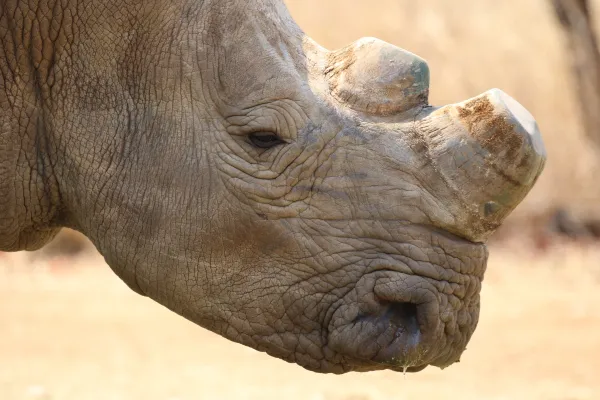
Endangered species: Rhino poaching in Africa
Uncover the urgent battle against rhino poaching, a global crisis threatening these majestic creatures. Join the fight to protect rhinos and preserve biodiversity.
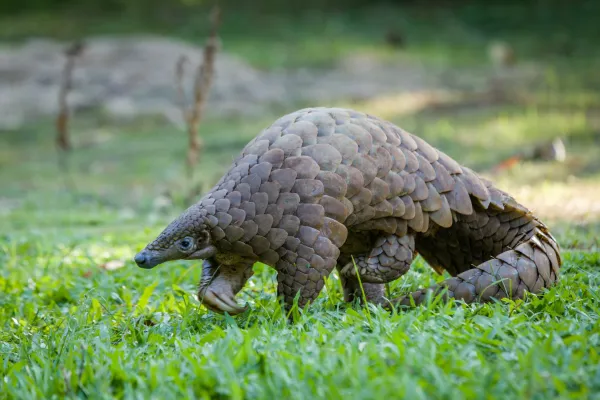
Conserving the pangolin: World’s most trafficked mammal
All pangolin species are protected under national and international laws, but demand and trafficking remains a real threat to the survival.
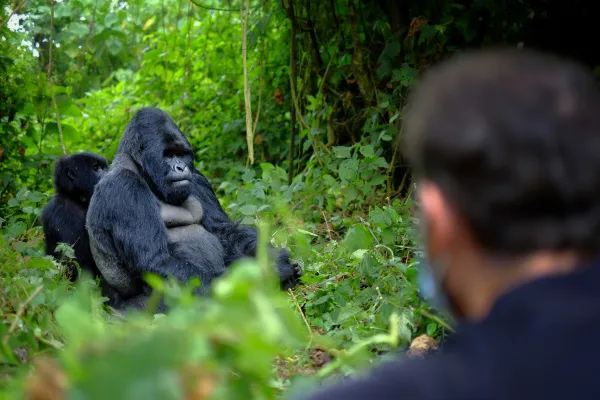
A journey into mountain gorilla tourism
The reintroduction of wild gorillas was risky and remains controversial. Since conservationists have shifted the focus to tourism, the mountain gorillas are slowly recovering.
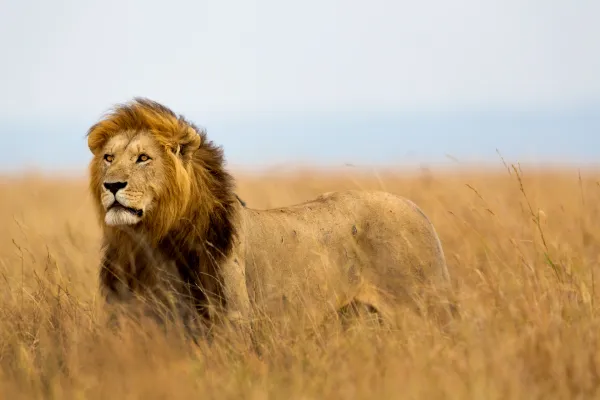
George Adamson - Remembering a legendary conservationist
George Adamson was a Kenyan conservationist who became internationally famous for pioneering the rehabilitation of captive or hand reared lions back into the wild.
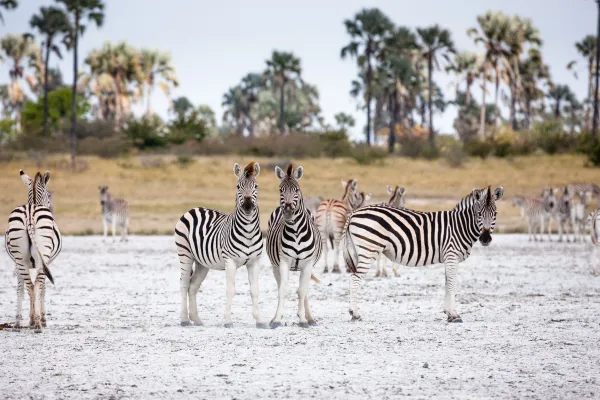
Nature highlight in the Makgadikgadi
Embark on a thrilling adventure in Botswana, where zebra stripes and flamingo hues converge in a mesmerizing migration spectacle. Nature's grand performance awaits!
Sign up for the newsletter
By clicking on “Subscribe now” I will subscribe to the Conscious Explorer newsletter with all the information about mindful travel. Information on the success measurement included in the consent, the use of the shipping service provider MailChimp, logging of the registration and your rights of revocation can be found in our privacy policy.