
Species Introduction: Whale shark
The majestic Whale shark, gentle giant of the ocean, gracefully glides through the warm waters of tropical seas, where it finds refuge among vibrant coral reefs and nutrient-rich currents. Once abundant in various oceanic regions, these remarkable creatures now face significant threats to their survival.
The magnificent Whale shark, the largest fish in the ocean, stands as a symbol of grace and endurance.
Once abundant in tropical and warm waters around the world, these gentle giants are now restricted to increasingly fragmented habitats, battling against threats like overfishing, plastic pollution, and habitat degradation. Yet, despite the mounting pressures, their tranquil presence continues to drift through the world’s oceans, echoing the critical importance of marine conservation.
The Whale shark (Rhincodon typus) not only embodies grace and endurance but also underscores the urgent need for protection. This necessity can be traced through the history of its name. The scientific name Rhincodon typus combines "rasp-tooth" and "type" to describe its unique qualities, though it is a harmless filter feeder. However, in the past, many sailors and fishers misidentified these enormous creatures as dangerous threats due to their colossal size. This misunderstanding fed into myths that painted Whale sharks as predators, leading to their exploitation.
Without accurate scientific knowledge, whale sharks were historically perceived as dangerous and sometimes captured or killed unnecessarily. Over the last century, their populations have suffered dramatically, with numbers plummeting by more than 50%, according to the last IUCN assessments.
Today, the Whale shark faces mounting pressures from human activities, having lost a significant portion of its natural range. It is currently listed as endangered by the International Union for Conservation of Nature (IUCN), with populations continuing to decline.
Explore the awe-inspiring world of the Whale shark, uncover its gentle nature, and learn why it is essential to protect this vital ocean species. Join us in safeguarding these incredible creatures and discover how you can contribute to their conservation.
Fact sheet: Whale shark
- Common Name: Whale Shark
- Scientific name: Rhincodon typus
- Order: Carpet Sharks (Orectolobiformes)
- Family: Whale Sharks (Rhincodontidae)
- Tribe: N/A (not applicable for fish classification)
- Characteristics: Massive size, broad flattened head, wide mouth with small teeth, distinct pattern of light spots and stripes across a dark gray or blue body, slow-moving filter feeder.
- Size: Up to 12 meters on average, with some individuals reaching 18 meters.
- Weight: Can weigh up to 25 tons.
- Origin: Tropical and warm waters worldwide.
- Habitat: Coastal and offshore tropical waters, often near coral reefs or plankton-rich areas.
- Home range: Highly migratory, covering vast distances of thousands of kilometers across oceans.
- Diet: Planktivorous, feeding on plankton, krill, small fish, and occasionally squid.
- Social behaviour: Generally solitary, but occasionally gathers in groups while feeding.
- Endangerment Status: Endangered (IUCN Red List).
- Life span: Estimated to be between 70 to 100 years.
Typical characteristics of the Whale shark
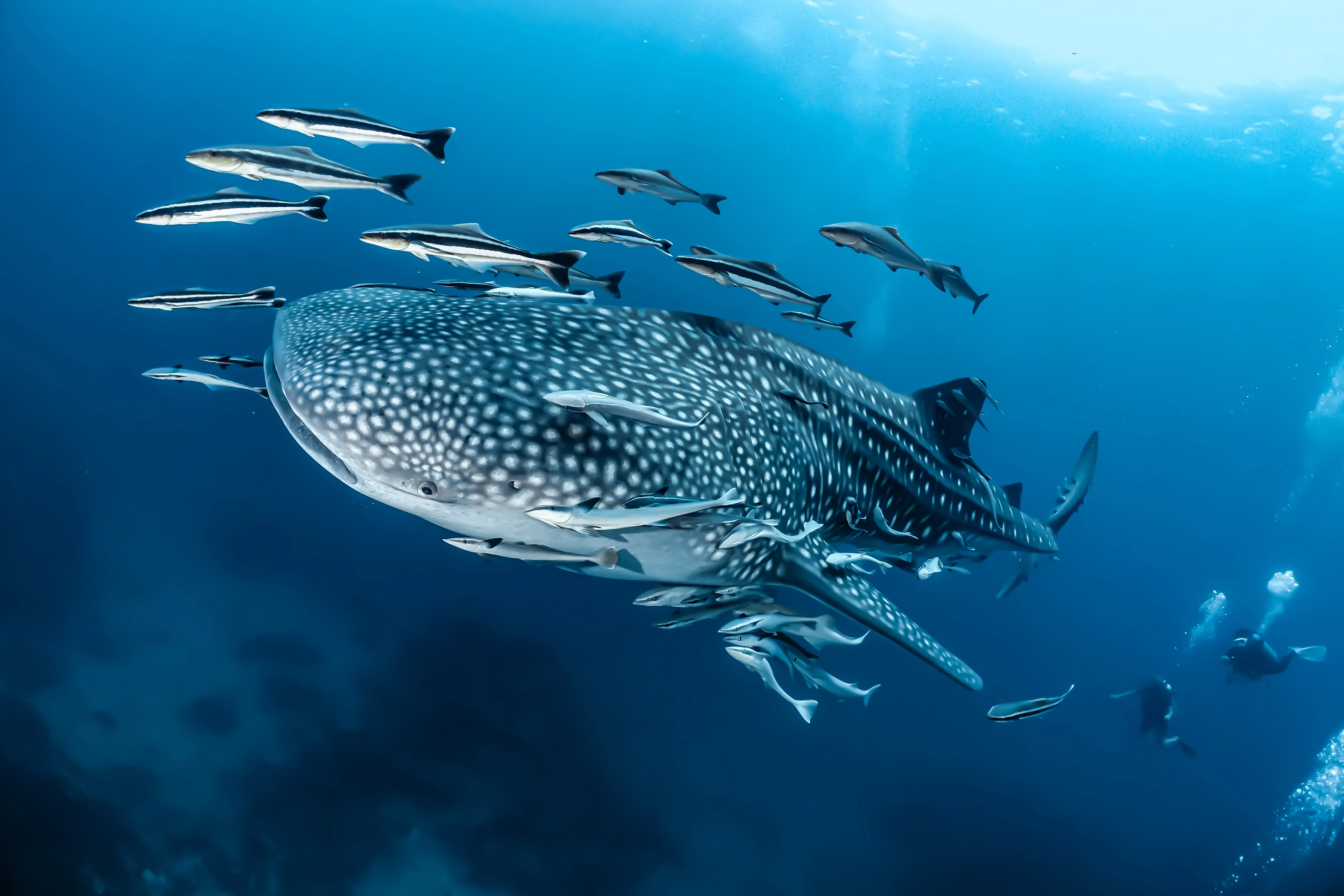
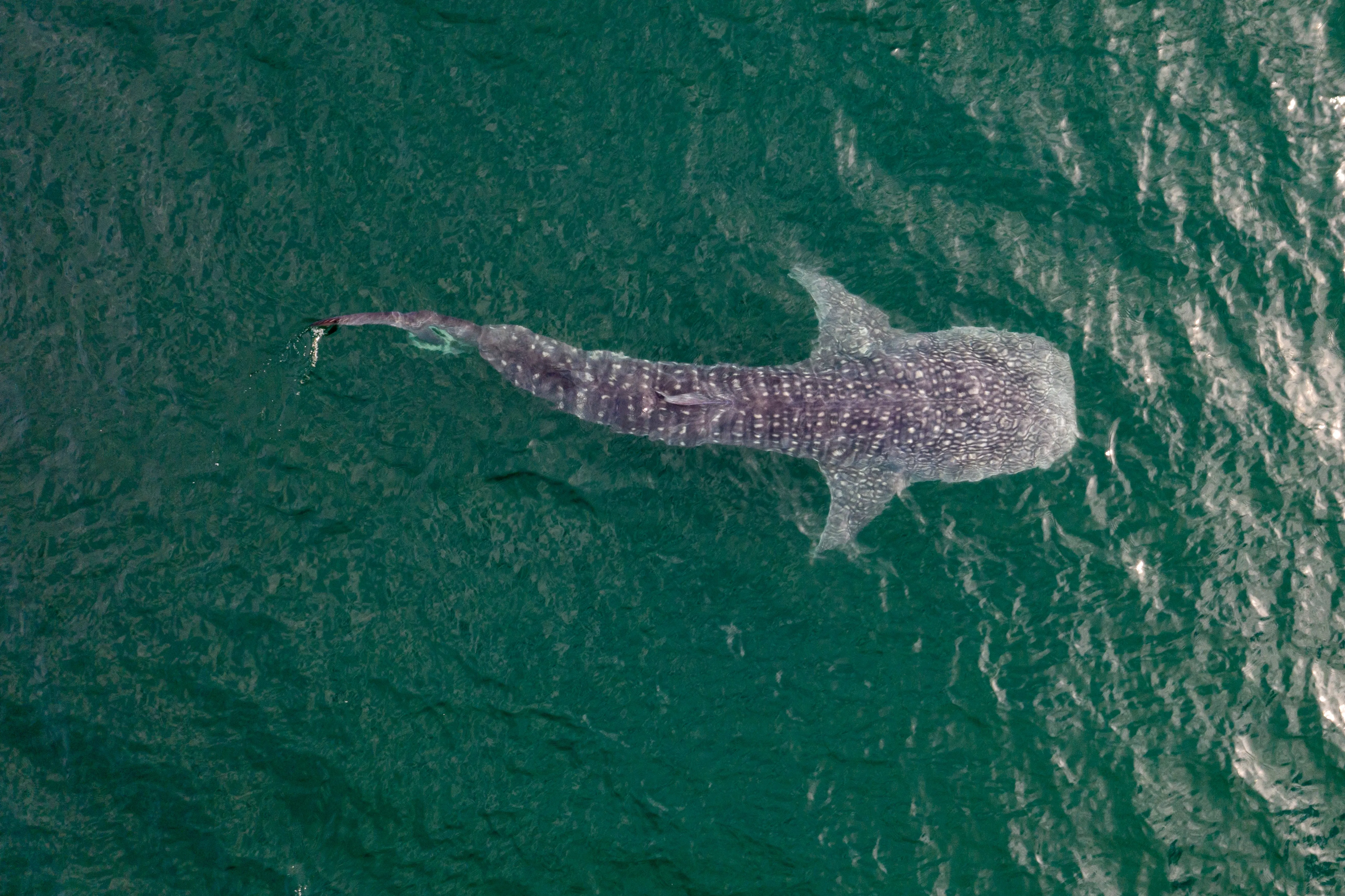
The Whale shark’s most defining feature is its immense size, making it the largest fish in the ocean. With an average length of 12 meters and some individuals growing as long as 18 meters, they are true giants of the sea. Despite their massive stature, Whale sharks are filter feeders, peacefully gliding through tropical waters in search of plankton and small fish.
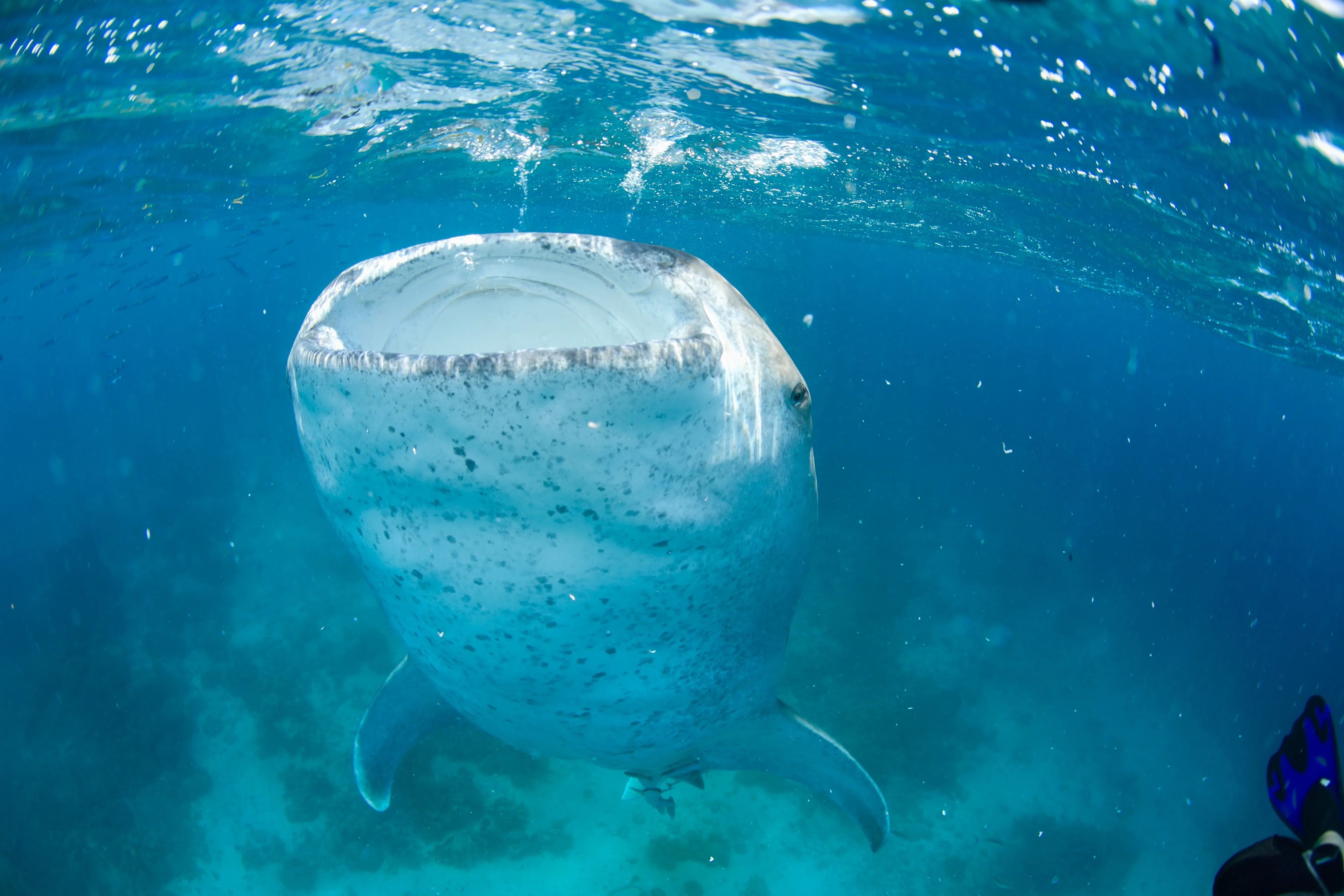
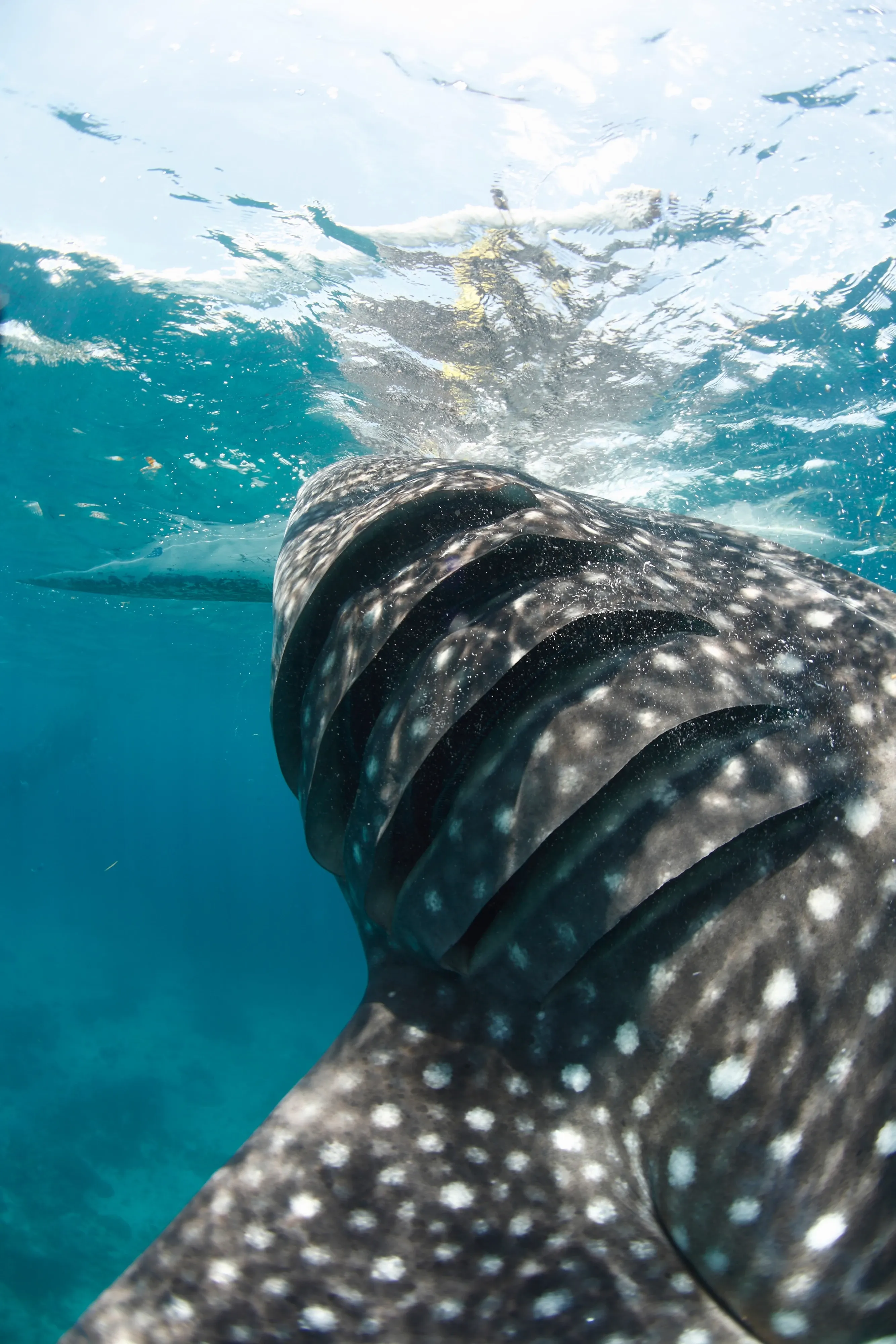
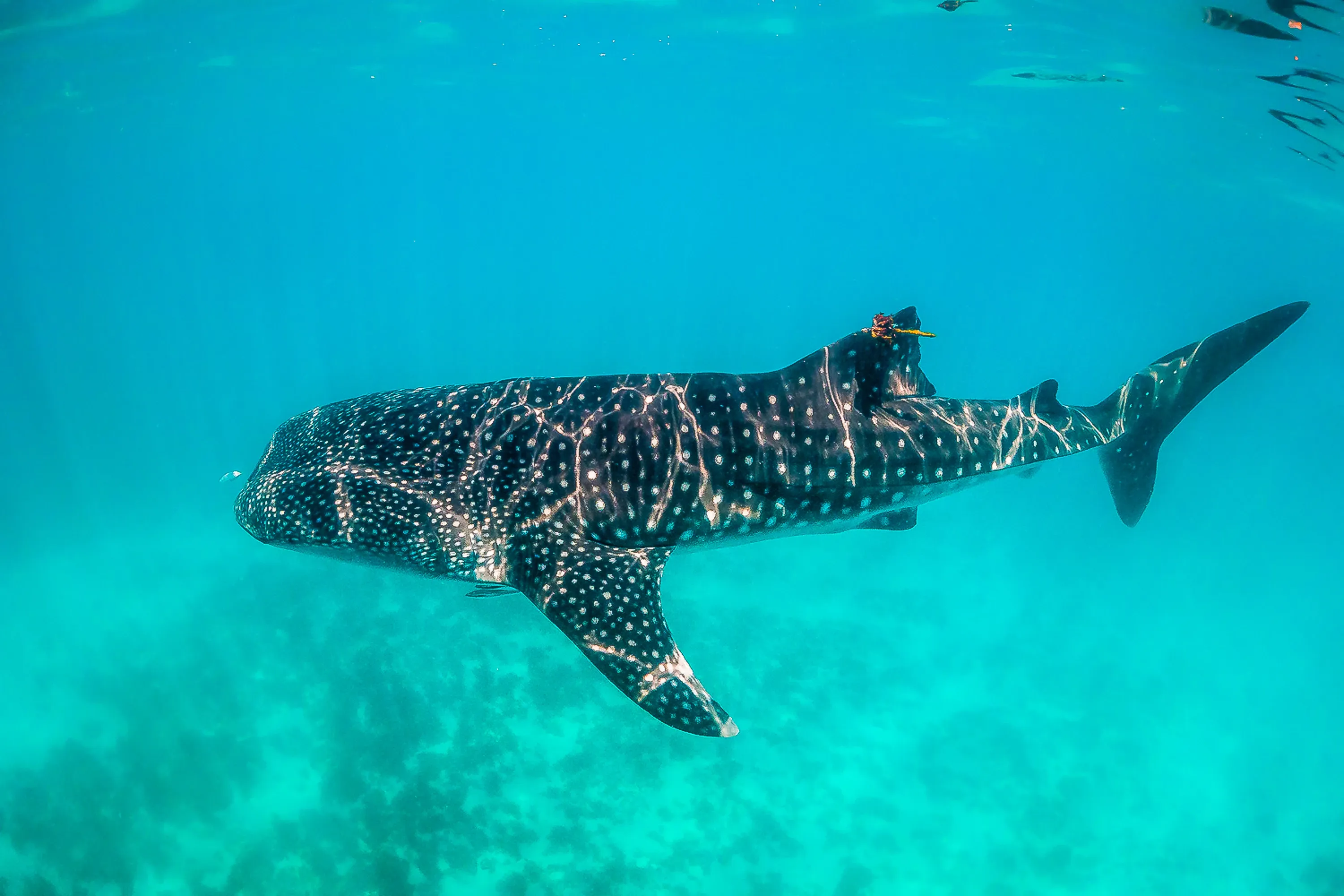
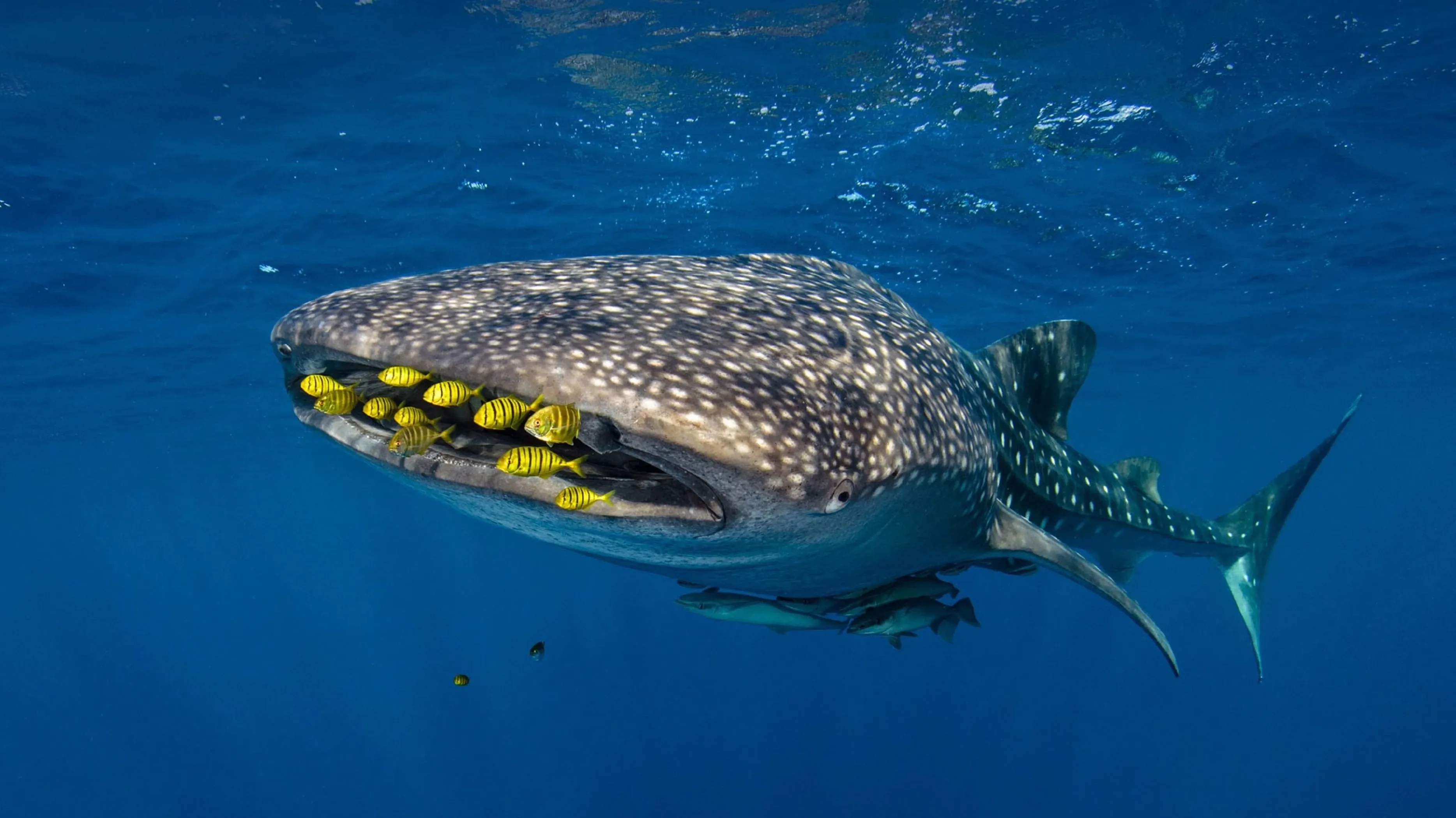
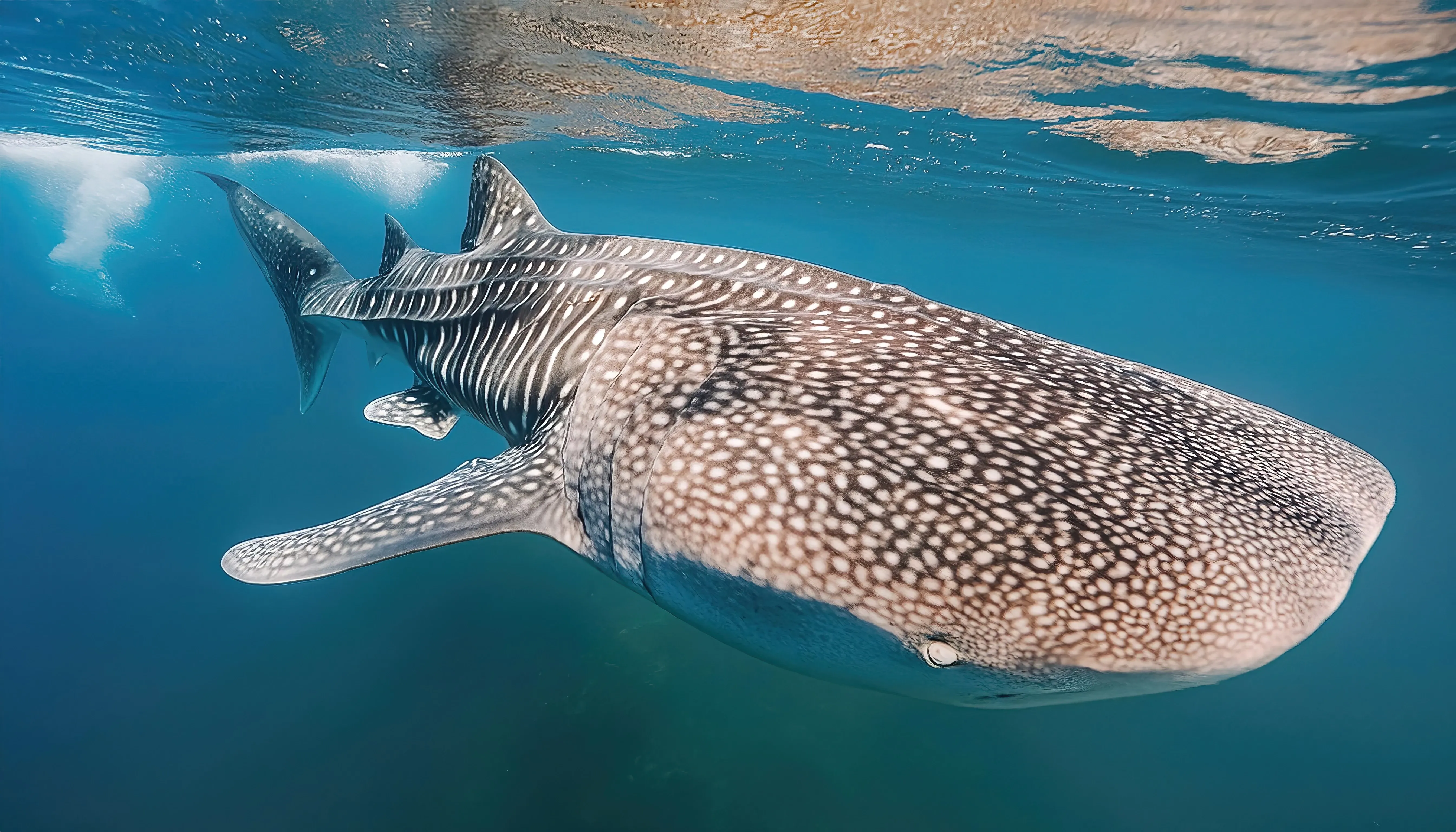
One of their most striking visual characteristics is the unique pattern of white spots and pale stripes set against a gray-blue background that covers their body. This distinctive "polka-dotted" appearance is unique to each Whale shark, much like human fingerprints, allowing researchers to identify individual sharks. The wide, flattened head and broad mouth, which can stretch up to 1.5 meters, are also key identifiers. Though their mouth contain thousands of tiny teeth, these are not used for eating. Instead, Whale sharks filter-feed by swimming with their mouths open, allowing water to flow through their gills.
As water passes through the mouth, the gill rakers - specialised structures near their gills - trap plankton, krill, and small fish while the water exits through the gills. This efficient filtering system allows them to consume large amounts of food from the water they swim through.
Another notable feature is their large, powerful tail (caudal fin), which helps them swim long distances with slow, sweeping movements. Their dorsal fin is tall and triangular, contributing to their streamlined body, which is well-adapted for long migrations.
Despite their size, Whale sharks are gentle and non-aggressive, posing no threat to humans or larger marine life. Their slow, deliberate movements, combined with their tranquil nature, make them one of the most awe-inspiring creatures in the ocean.
Diet of Whale sharks
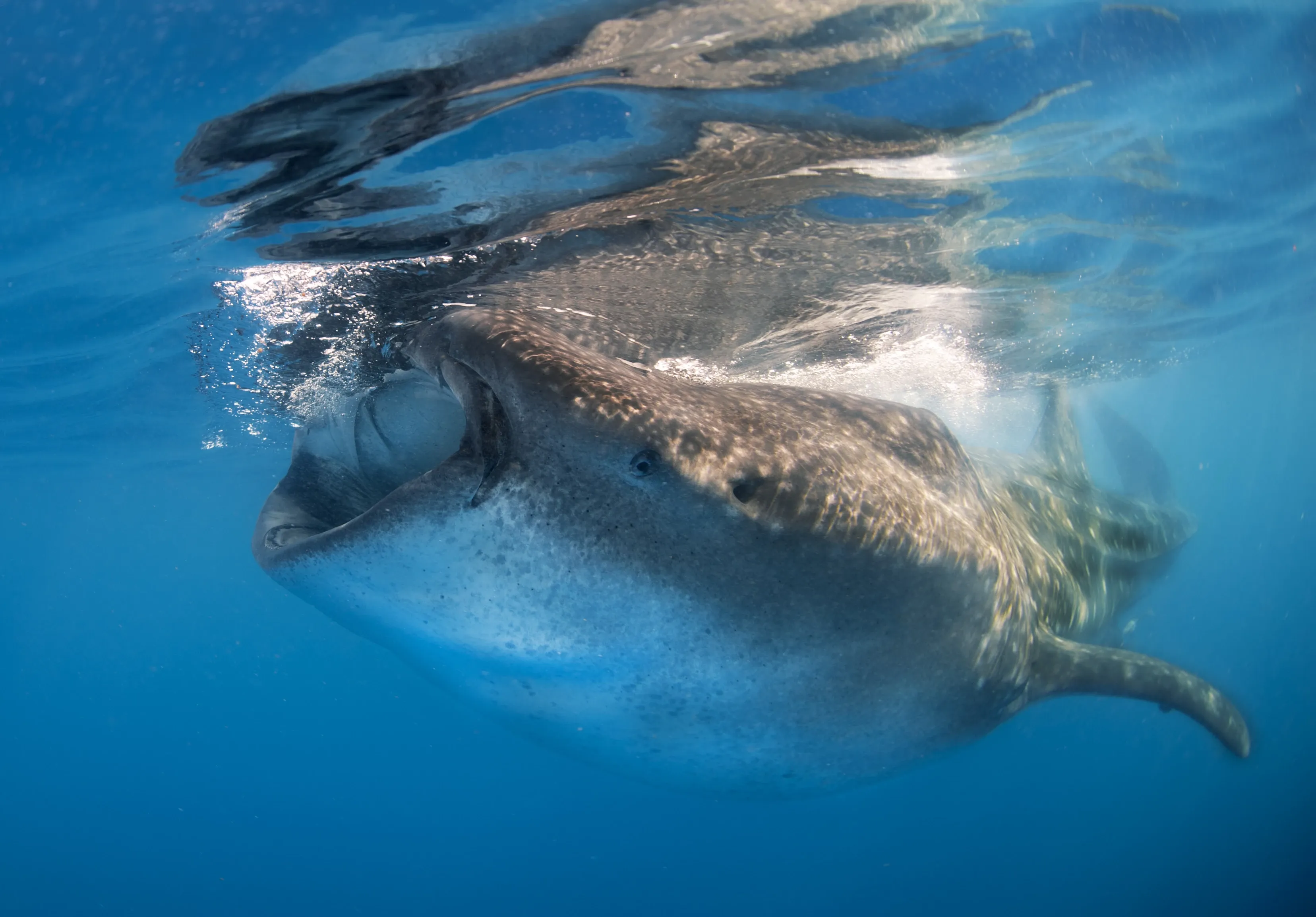
Whale sharks are remarkable filter feeders, consuming a diverse diet primarily made up of plankton, small fish, and other tiny marine organisms. They are particularly attracted to areas rich in food sources, often found in coastal waters and around coral reefs. Their diet can include copepods, krill, and various species of zooplankton, making them essential players in the marine ecosystem.
What distinguishes Whale sharks from other marine creatures is their unique feeding strategy. They swim with their mouths wide open, allowing water to flow in as they filter out food using their specialised gill rakers. This efficient method enables them to capture vast quantities of plankton in a single feeding session. During their feeding dives, they can consume up to 2,000 kilograms of food daily.
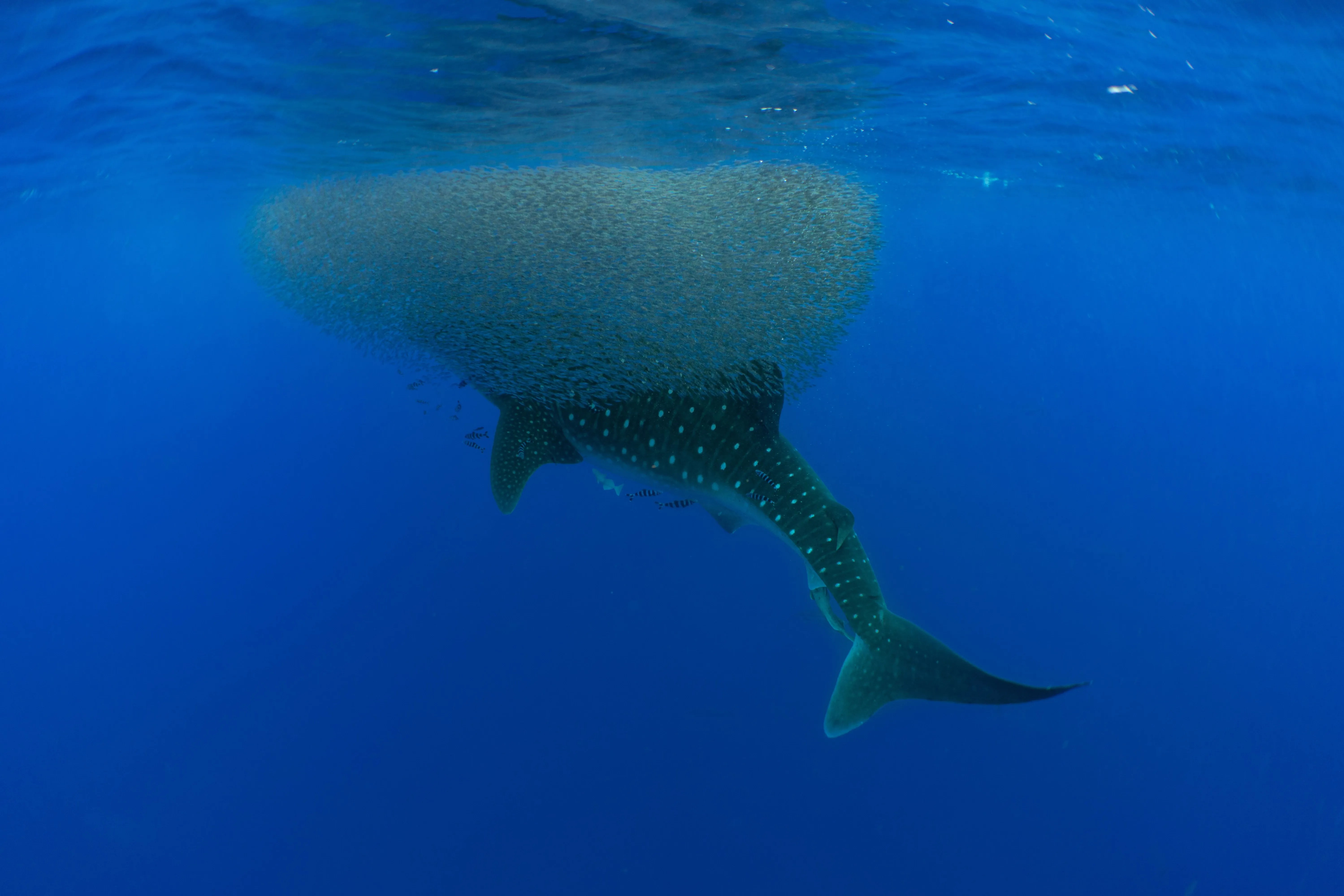
Unlike many other predators that rely on stealth or ambush tactics, Whale sharks use a slow, cruising approach, often hovering just below the surface to filter-feed in nutrient-rich waters. They can also exhibit behaviours such as vertical swimming, where they swim upward through the water column to capture food concentrated in certain areas, especially during feeding aggregations.
Whale sharks are generally solitary but may gather in groups when food is abundant, displaying a unique social behaviour. Their feeding is often synchronised, allowing them to take advantage of rich food sources while minimising competition among themselves.
This gentle approach to feeding, combined with their unique adaptations, makes Whale sharks vital to maintaining the health of marine ecosystems, helping regulate plankton populations and supporting the overall balance of oceanic life.
»Marine organisms do not care about international boundaries; they move where they will.«
Distribution and habitat of Whale sharks
Whale sharks are historically found in warm, tropical oceans across the globe, inhabiting both shallow coastal areas and deeper oceanic waters. However, their populations have significantly declined due to human impacts such as overfishing, habitat destruction, and marine pollution.
Currently, these gentle giants are predominantly located in tropical and subtropical regions, with notable populations found in the Coral Triangle, the Maldives, the Gulf of Mexico, and around the coasts of Australia, and the Galápagos Island. Important habitats include marine protected areas like Ningaloo Reef in Australia and the South Ari Marine Protected Area in the Maldives, where conservation measures are actively implemented to support their survival.
Whale sharks thrive in warm, nutrient-rich waters, particularly in proximity to coral reefs, continental shelves, and areas of ocean upwelling where food such as plankton is plentiful. While they are often seen near the surface filtering for food, they are also capable of diving to depths of about 1,928 meters in search of nourishment and potentially even deeper. In the South Ari Marine Protected Area, Whale sharks use the surface waters to thermoregulate and recover from deep diving.
Whale sharks are known for their migratory patterns, traveling extensive distances to find food and suitable breeding habitats. They can journey thousands of kilometres annually, underscoring their reliance on expansive marine environments. This need for large ranges makes them vulnerable to climate change and habitat degradation, as fluctuations in ocean temperature and quality can affect the availability of their food sources.
As a result of habitat loss and various human-related threats, Whale sharks face challenges in securing safe and suitable living environments. It is crucial that conservation efforts are strengthened to ensure that these magnificent creatures have the necessary space and resources to flourish in their natural habitats.
The behaviours of Whale sharks
Whale sharks display fascinating and unique behaviours that contribute to their survival as the largest fish in the ocean. While they are generally solitary creatures, they can exhibit social tendencies, particularly in areas where food is abundant. During feeding events, multiple Whale sharks may gather together to take advantage of rich plankton blooms, showcasing a level of social interaction that is rare for these gentle giants.
Whale sharks are known for their migratory behaviour, traveling vast distances in search of food and suitable habitats. As mentioned their migrations can cover thousands of kilometres, and they often return to specific feeding grounds seasonally. Their ability to navigate these long distances is still a topic of research, but it highlights their need for expansive marine environments and rich feeding areas.
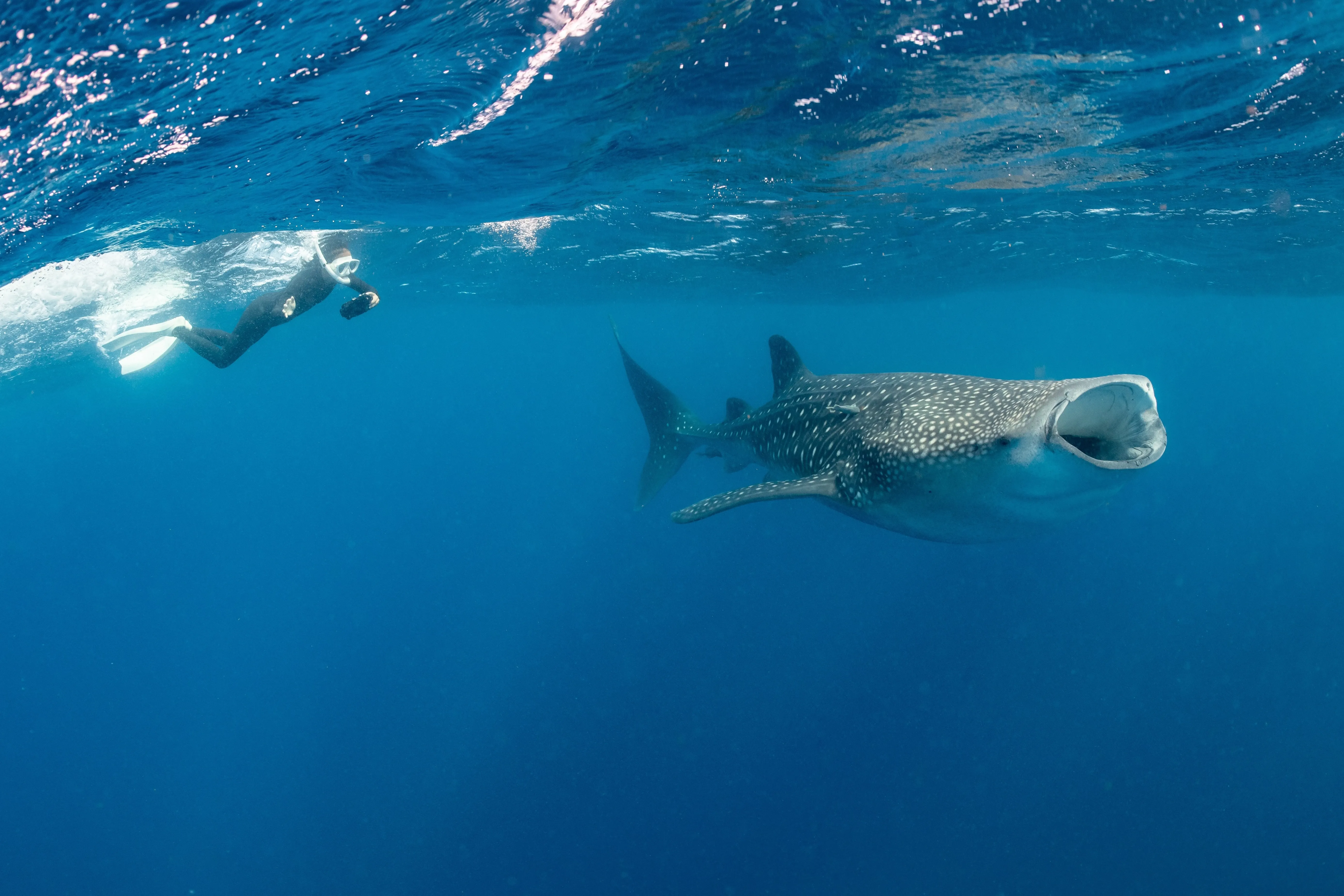
Although they are typically non-aggressive, Whale sharks can be curious creatures. They often approach divers and boats, displaying a level of interaction that allows for fascinating encounters. However, they remain cautious, preferring to keep their distance from potential threats. This behaviour underscores their gentle nature, as they pose no danger to humans.
In terms of reproduction, little is known about their breeding habits. Whale sharks are ovoviviparous, meaning they give birth to live young after internal fertilization. However, details regarding their mating behaviors and gestation periods remain largely elusive, as no confirmed sightings of mating have been documented in the wild. Additionally, very few Whale shark pups have been observed, making it difficult for researchers to study their early life stages and understand their reproductive cycles.
»We believe in open access and free distribution of information. The Whale sharks and the environment we work to understand do not belong to us, so why should the things we find out?«
Interesting facts about Whale sharks
How can you distinguish individual Whale sharks?
Each Whale shark has a distinct pattern of spots and stripes on its skin, much like a human fingerprint. This unique marking system allows researchers to identify and track individual sharks over time, aiding in conservation efforts and studies of their behaviour and movements. Additionally, their countershading – dark on the top and lighter on the bottom – provides camouflage in the water, helping them blend in with their surroundings and evade potential predators.
Why are Whale sharks often accompanied by smaller fish?
Whale sharks often host a variety of marine organisms, such as remora fish and cleaner wrasses, which form symbiotic relationships with them. Remoras attach themselves to the Whale shark’s skin, feeding on leftover food and parasites, while cleaner wrasses help remove parasites from the shark, benefiting both parties.
What part do Whale sharks play in their ecosystem?
As filter feeders, Whale sharks play a crucial role in maintaining the health of marine ecosystems. By consuming large quantities of plankton and small fish, they help regulate populations of these organisms, contributing to a balanced marine environment. As a keystone species, their presence is vital for the overall health of the oceanic food web, supporting a diverse range of marine life and ensuring ecological stability.
Threats of Whale sharks
Whale sharks, the gentle giants of the ocean, are an awe-inspiring sight, captivating all who are fortunate enough to encounter them. However, these majestic creatures face numerous threats that jeopardize their survival and the health of marine ecosystems.
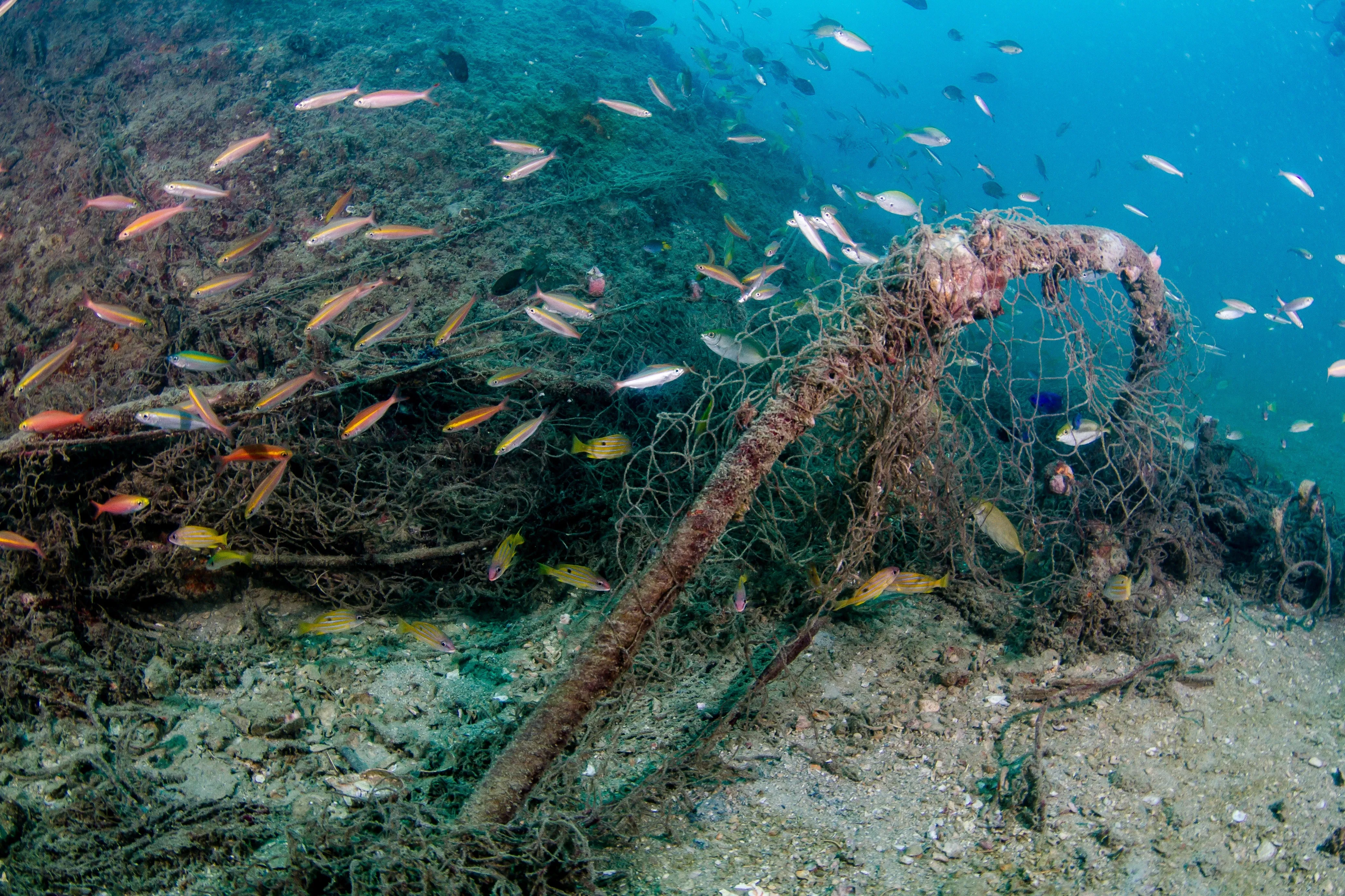
One of the primary threats to Whale sharks is overfishing. Although they are not typically targeted for their meat, they often become accidental victims of bycatch in commercial fishing operations. This unintentional catch can lead to serious injuries or fatalities, significantly impacting their populations.
Another significant concern is habitat degradation. As coastal areas become increasingly developed for tourism and urbanization, the natural habitats that Whale sharks rely on are being destroyed. Coral reefs, crucial for their feeding and breeding, are particularly vulnerable to pollution and climate change. Rising ocean temperatures lead to coral bleaching, which diminishes the availability of food sources for Whale sharks and other marine life.
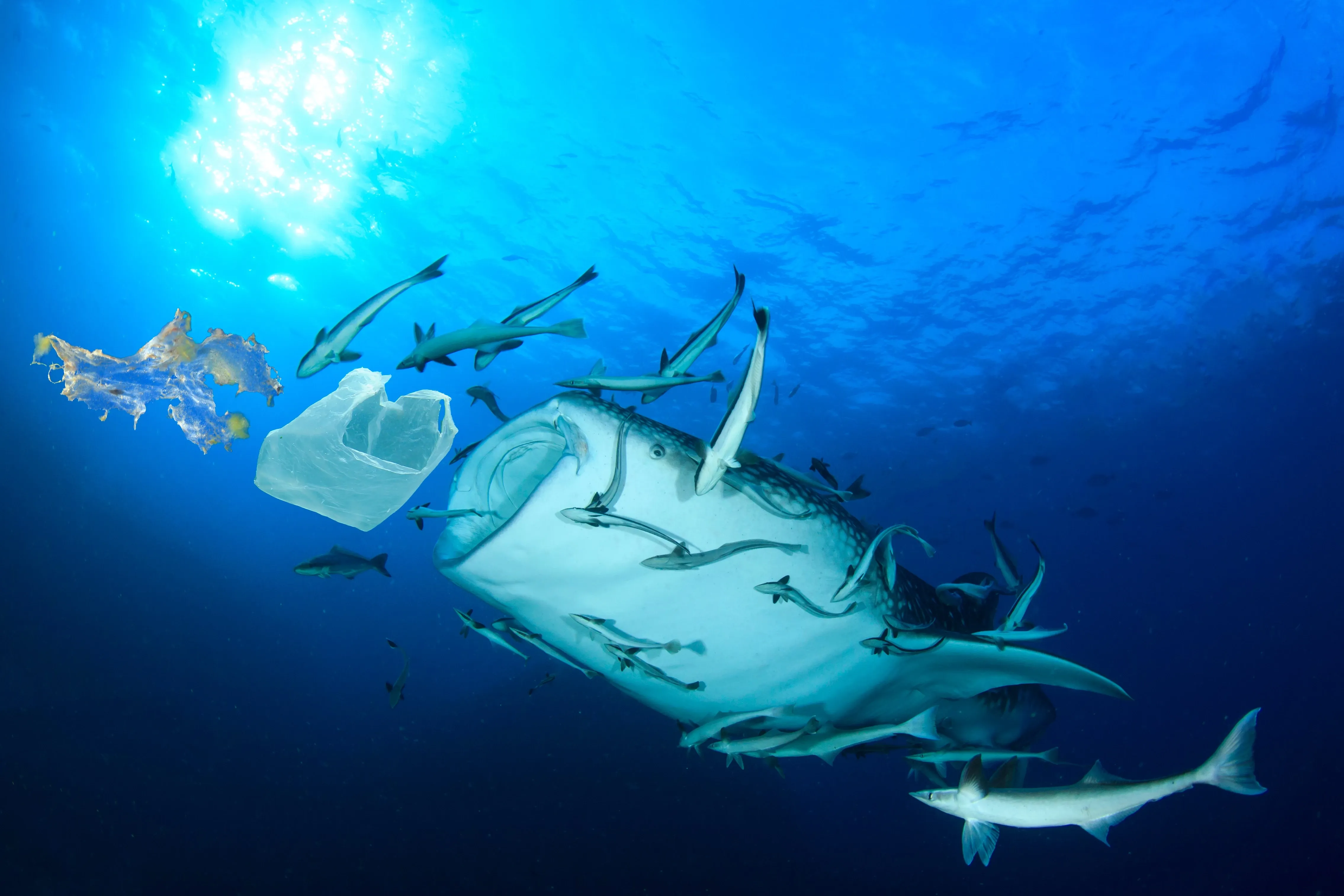
Additionally, marine pollution poses a severe threat. Plastics and other pollutants contaminate the waters where Whale sharks swim, harming their health and the overall marine environment. Ingesting plastics can lead to malnutrition or internal injuries, further endangering these already vulnerable animals.
Lastly, climate change plays a significant role in altering the oceanic conditions that Whale sharks depend on for survival. Changes in sea temperature and currents can disrupt their migratory patterns and food availability, making it challenging for them to thrive.
Conservation efforts are crucial to protect Whale sharks from these threats. By raising awareness, promoting sustainable fishing practices, and safeguarding their habitats, we can help ensure that these magnificent creatures continue to grace our oceans for generations to come. The plight of whale sharks reminds us of the interconnectedness of marine life and the importance of preserving our oceans' health.
Importance of ecotourism and Whale sharks
Eco-tourism can play a crucial role in the conservation of Whale sharks, offering opportunities for sustainable travel while raising awareness about their protection. However, not all whale shark diving trips are created equal. It’s essential for tourists to choose responsible operators who prioritize the welfare of these animals and adhere to ethical guidelines.
Engaging in irresponsible whale shark diving trips – those that crowd the sharks, chase them, or fail to respect their space – can lead to stress and injury for the animals. Responsible eco-tourism emphasises education and conservation, ensuring that interactions are respectful and do not harm these gentle giants. Supporting operators that follow best practices helps protect whale sharks while fostering a greater understanding of these magnificent creatures.
One of the most impactful ways to contribute to Whale shark conservation is through citizen science. Since 2013, initiatives like the Big Fish Network in the Maldives have successfully mobilised communities and engaged operators in monitoring whale sharks. This platform allows tourists, researchers, and locals to contribute data, helping track whale shark populations and behaviour. Citizen science projects not only enhance conservation efforts but also provide participants with a deeper connection to these marine animals, reinforcing the importance of their protection.
Conservation status of the Whale shark
The Whale shark is currently classified as "Endangered" on the International Union for Conservation of Nature (IUCN) Red List. With an estimated population decline of more than 50% over the last 75 years, whale sharks face significant threats that contribute to their declining numbers. They are particularly vulnerable to human activities, such as overfishing, habitat destruction, and the impacts of climate change on their marine environments.
Once found in warm, tropical oceans worldwide, Whale sharks are now increasingly restricted to fragmented habitats, where their populations are at risk. Their gentle nature makes them susceptible to boat strikes and entanglement in fishing gear, leading to injuries and fatalities. Additionally, the demand for shark fin soup has led to increased illegal fishing, further threatening their survival.
Conservation efforts are crucial to protect these magnificent creatures, as they play an essential role in maintaining the health of marine ecosystems. Whale sharks are often considered a keystone species, as their presence supports the balance of the marine food web by regulating plankton populations.
Key conservation initiatives for Whale sharks include:
- Establishment and enforcement of marine protected areas (MPAs)
- Regulation of fishing practices to reduce bycatch and habitat destruction
- Promotion of sustainable tourism practices that minimize human impact
- Community engagement programs to raise awareness about whale shark conservation
- Conducting research on population dynamics and migratory patterns
- Implementation of international agreements to protect whale sharks across their range
- Monitoring and surveillance of whale shark populations to inform conservation strategies
Conservation success with Whale sharks
The implementation of protective measures for Whale sharks has emerged as a promising conservation strategy to bolster their declining populations. By establishing marine protected areas (MPAs) and promoting responsible eco-tourism, conservationists aim to safeguard crucial habitats, reduce human impacts, and ensure the survival of these magnificent creatures.
Recent research initiatives in the Maldives, Galápagos Islands, Madagascar, Mozambique, and Belize have positioned these regions as leaders in Whale shark protection and study. These efforts not only focus on monitoring Whale shark populations but also on understanding their behaviour, migratory patterns, and ecological roles within marine ecosystems. The creation of MPAs in these areas has provided safe havens for Whale sharks, allowing them to feed, breed, and thrive without the pressures of overfishing and habitat degradation.
The success of these conservation projects can be attributed to careful planning, including habitat assessments, community involvement, and ongoing monitoring of Whale shark populations. Collaboration with local fishermen, NGOs, and government agencies is crucial to ensure that sustainable practices are adopted and that communities benefit from eco-tourism opportunities.
While challenges remain, such as climate change and marine pollution, the combined efforts of research initiatives and MPAs offer hope for the species’ recovery. These strategic interventions demonstrate that with dedicated action, we can protect these gentle giants and ensure they continue to grace our oceans for generations to come.
The majestic Whale shark
Whale sharks, the largest fish in the ocean, are awe-inspiring creatures characterized by their immense size, unique polka-dotted patterns, and gentle nature. Averaging between 12 to 18 meters in length, these remarkable filter feeders gracefully glide through tropical waters, consuming plankton and small fish. Their distinct patterns allow researchers to identify individual sharks, contributing to ongoing conservation efforts.
Despite their grandeur, Whale sharks face significant threats, including overfishing, habitat degradation, marine pollution, and climate change. Conservation initiatives in regions like the Maldives and the Galápagos Islands are crucial for their survival. These areas lead to research and protective measures, helping to monitor populations and understand migratory patterns.
Responsible eco-tourism is vital for Whale shark conservation, as it can raise awareness and generate funding for protection efforts. Tourists are encouraged to choose operators who prioritise ethical practices, ensuring that interactions with these gentle giants are respectful and non-intrusive.
The future of Whale sharks relies on our commitment to addressing the threats they face and supporting sustainable practices. By protecting their habitats and promoting responsible eco-tourism, we can ensure these magnificent creatures continue to thrive in our oceans.

Marine conservation: Protecting our oceans
The ocean, our lifeblood, faces unprecedented threats. From pollution to climate change, our actions jeopardize its vitality. We must act now to save the source of life.

The Deep Blue: Saving our oceans
Overfishing, pollution, and climate change threaten our oceans. Discover solutions to save marine ecosystems.
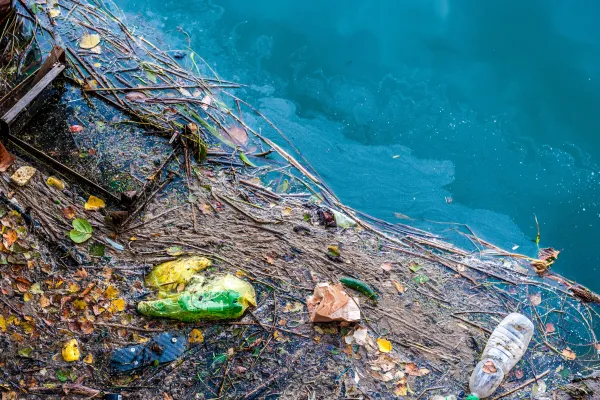
How to avoid harmful products for the oceans
Many of the materials we use in our everyday lives are washed down the drain and enter the ocean, where they can harm marine biodiversity. Find out how to avoid this.

Glowing oceans: Top places to see marine bioluminescence
Discover the enchanting world of marine bioluminescence and find out how it occurs and where you can best experience this phenomenon.
How to protect and conserve our oceans
Embark on a journey to explore the ocean's depths—a world of mystery, beauty, and peril. Gain a deep understanding to help protect its fragile existence from threats.

The Gili Islands: a diver’s paradise in Asia
Explore the different Gili Islands and their marine beauty. Learn more about this diver's paradise with vibrant marine life, stunning beaches, and unforgettable underwater adventures.
Sign up for the newsletter
By clicking on “Subscribe now” I will subscribe to the Conscious Explorer newsletter with all the information about mindful travel. Information on the success measurement included in the consent, the use of the shipping service provider MailChimp, logging of the registration and your rights of revocation can be found in our privacy policy.