
Our partner: Rewilding Europe
Rewilding Europe is a pioneering initiative working to make Europe a wilder place. By restoring natural processes, bringing back missing wildlife and supporting vibrant, nature-based economies, they help landscapes recover their natural richness and resilience.
Since 2011, Rewilding Europe has worked across the continent to restore nature at scale and enable people to reconnect with wild nature.
They believe that thriving nature and thriving communities can go hand in hand, and that nature is our best ally in facing today’s challenges, such as climate change and biodiversity loss.
Rewilding offers a solution by helping nature to heal itself. By applying rewilding principles, models and tools, Rewilding Europe delivers measurable and lasting benefits for nature and people. Together with many actors - from NGOs and landowners to entrepreneurs- they are creating a Europe that is wilder, richer in wildlife and more resilient to the impacts of climate change.
Their strategy focuses on four pillars:
- Wilder nature: restoring natural processes and giving wildlife the space, conditions and where needed, active support to recover.
- Nature for people: empowering enterprises and communities to build nature-based economies.
- Building engagement: generating support for more wild nature.
- Upscaling: encouraging replication of rewilding across Europe.
Brief profile of Rewilding Europe
- Name: Rewilding Europe
- Year founded: 2011
- Headquarter: Nijmegen, Netherlands
- Languages: English
- Locations: Europe
- Focus: Nature Conservation
- Certification Status: Non-profit
- Facebook Rewilding Europe
- Instagram Rewilding Europe
- LinkedIn Rewilding Europe
- Member of: Global Rewilding Alliance; 1% for the Planet.
What is Rewilding Europe's mission and long-term vision?
Their mission: “We want to demonstrate the benefits of wilder nature through the rewilding of diverse European landscapes, and to inspire and enable others to engage in rewilding by providing tools and practical expertise."
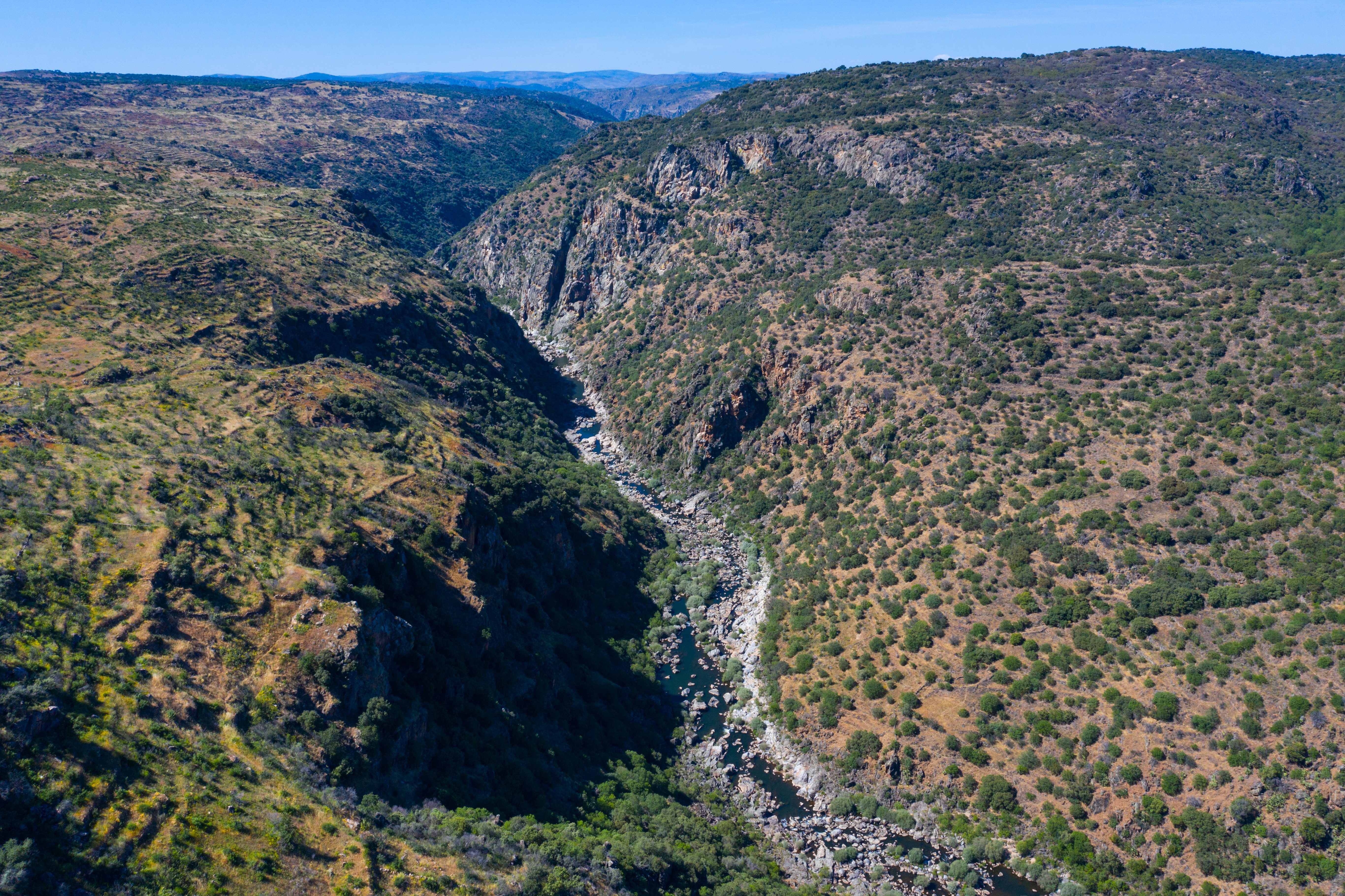
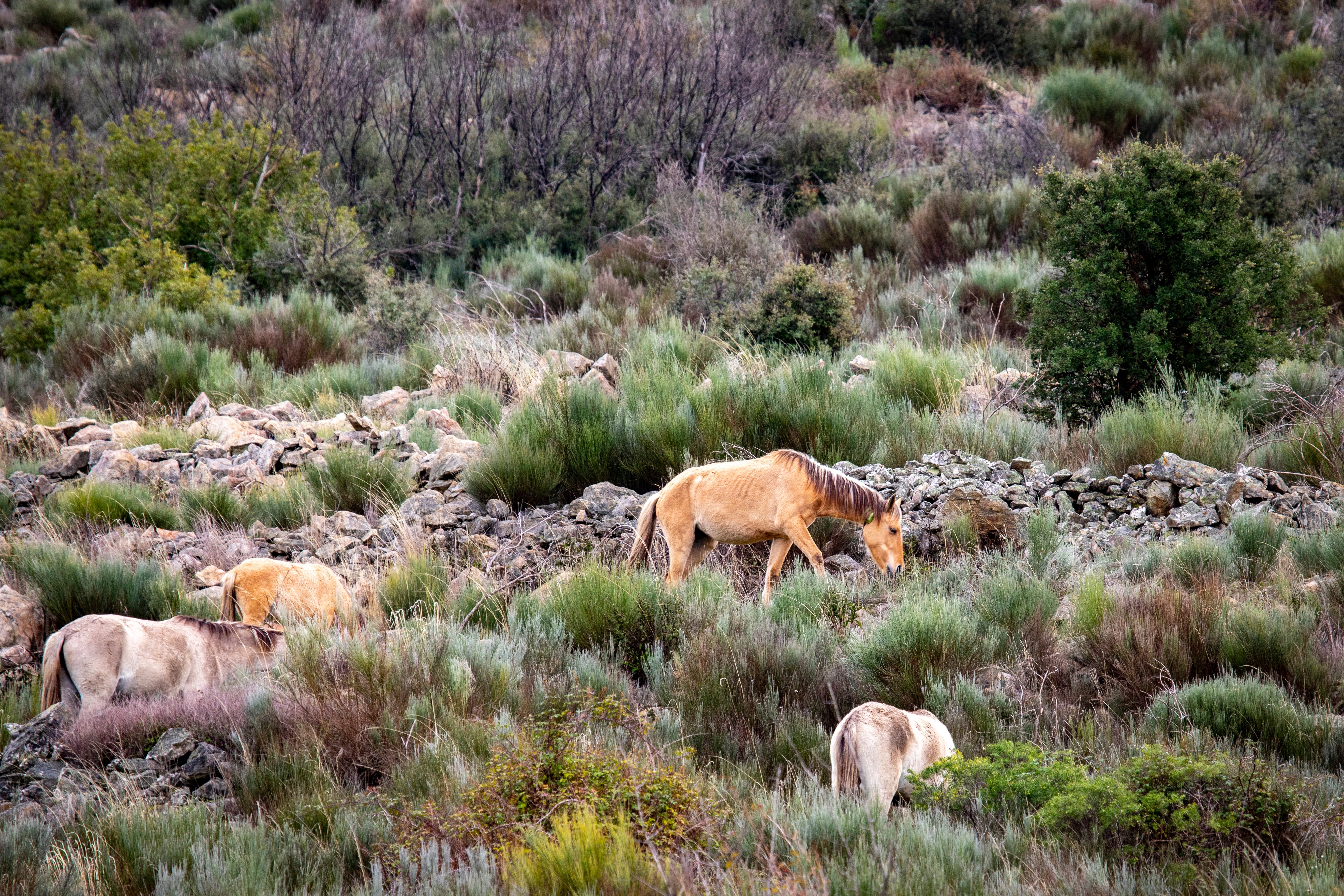
Their vision: They believe in the power of nature to heal itself. All we need to do is give nature space again. Across Europe, they are rewilding a wide range of landscapes to show that nature recovery is not only possible but also scalable. By reconnecting habitats and restoring natural processes, such as free-flowing rivers and grazing by wild horses, European bison and other large herbivores, Rewilding Europe is helping nature to thrive on its own, without any human management.
If we as humans create the right conditions, wildlife can come back. Species once lost are already returning. To accelerate this recovery across Europe, they want to demonstrate the benefits of wilder nature, share lessons learned and offer tools and support to inspire and enable others to rewild. Rewilding Europe envisions a Europe where wild nature is seen as essential to our wellbeing and our future. A future with much more space for wildlife and natural rhytms, and where people and nature thrive together.
When rewilding becomes part of our everyday thinking, we can reverse biodiversity loss and build resilient landscapes that help us adapt and mitigate the impacts of climate change.
What projects and programs does Rewilding Europe offer?
Their work is focusing on eleven – aim to expand to 15 by 2030 - large rewilding landscapes in Europe, where they are working with their local partners to make their vision a reality.
By showing that rewilding works at a landscape scale and that it brings benefits to people as well as nature, they aim to inspire others to take action. Their goal is to increase the reach, scale and impact of rewilding across Europe by encouraging others to embrace it.
Rewilding tourism has the potential to advance the rewilding movement by inviting visitors to experience wild nature firsthand and witness its transformative impact for both nature and people. The revenue generated by rewilding tourism businesses supports the growth of nature-based economies, fosters sustainable livelihoods, and helps build broader support for rewilding. In some cases, this income can also directly contribute to funding further rewilding initiatives.
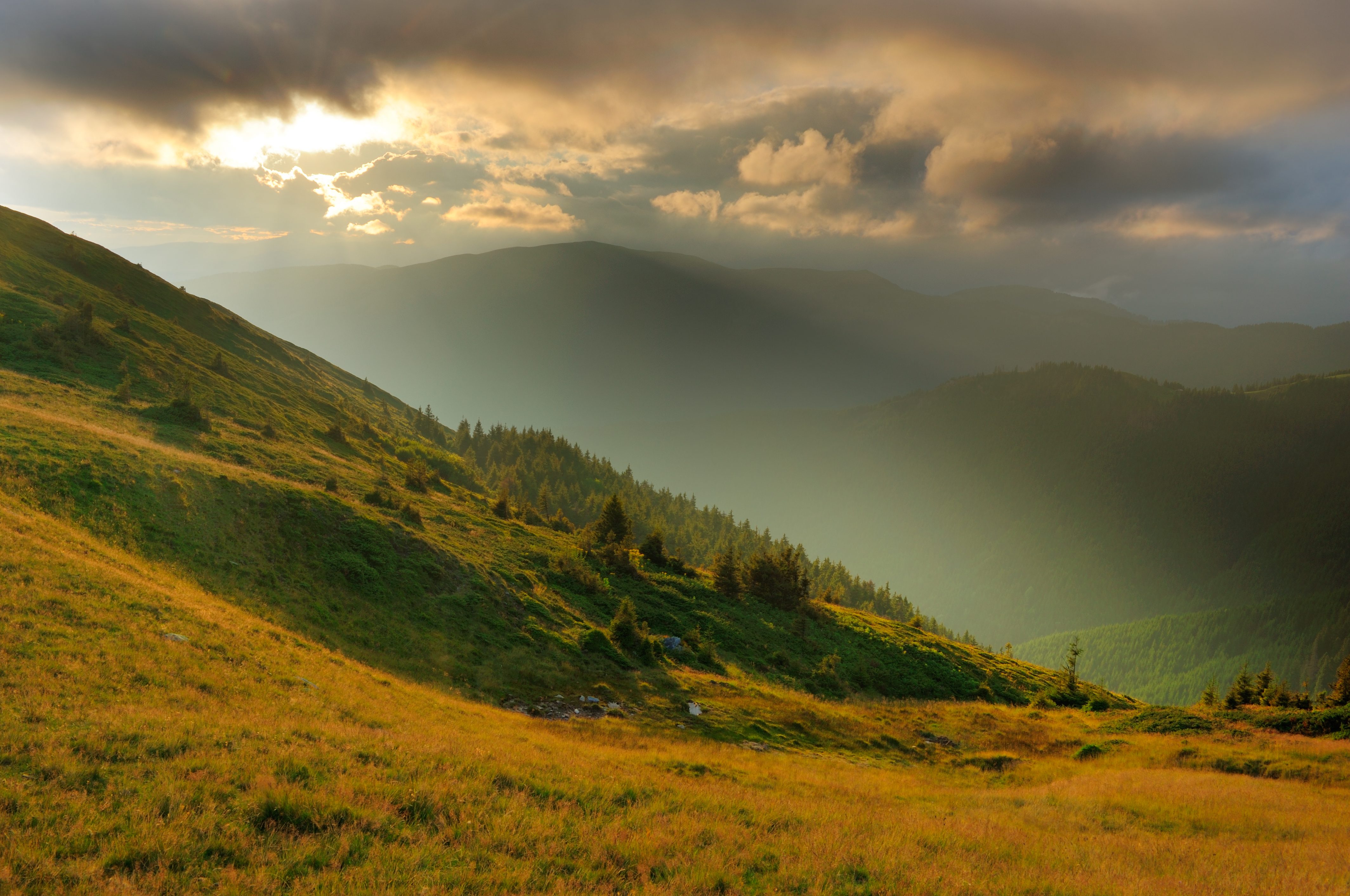
»Stepping into spectacular natural landscapes, encountering free-roaming wildlife, and connecting with wild nature doesn’t just inspire awe – it reconnects you with the natural world and creates lifetime memories. Rewilding experiences shift perspectives.«
How can travellers, volunteers, and supporters get involved?
From exploring Europe’s most spectacular rewilding areas and joining meaningful volunteer programmes to participating in online courses such as the MOOC and becoming rewilding storytellers, there are countless ways to get involved.
Wilder Places – their new travel platform – makes it easier than ever to discover and visit Europe’s most inspiring rewilding destinations, while directly supporting nature recovery and local communities. By immersing yourself in rewilded landscapes, contributing your time and skills or amplifying the hopeful story of nature’s comeback, you help bring their vision to life.
Supporters can also contribute directly by funding rewilding or helping nature-based enterprises thrive through responsible travel and conscious choices. Every action – big or small - helps restore Europe’s wild heart, reconnects people with nature, revitalises rural economies, and ensures that wildlife and natural processes can flourish once more. By joining the growing movement, you become part of a bold, positive vision: a Europe where nature and people thrive together.
What key achievements has Rewilding Europe accomplished to date?
In just over a decade, Rewilding Europe is working in 11 rewilding landscapes, with a total size of over one million hectares, making it one of the largest nature recovery efforts on the continent.
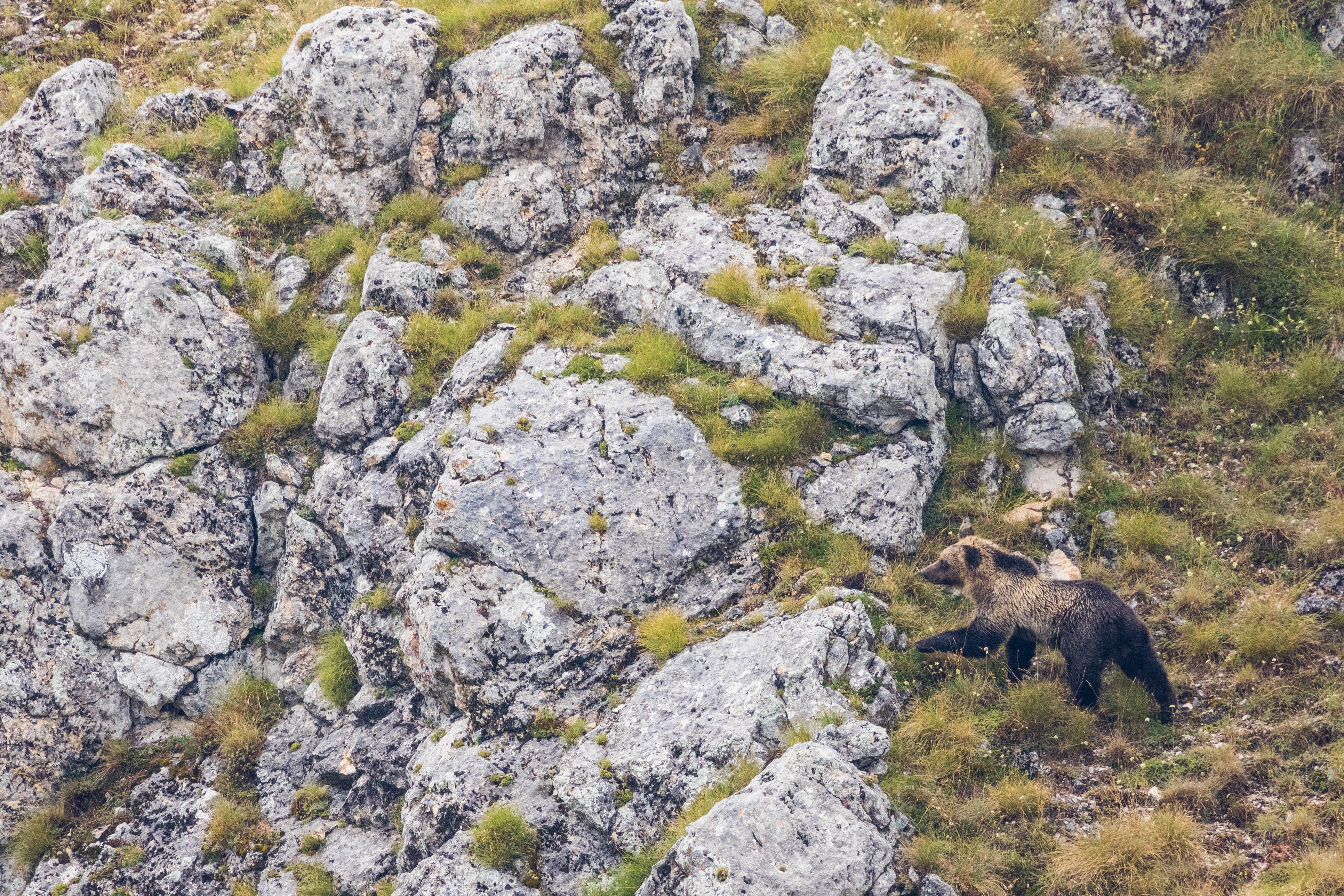
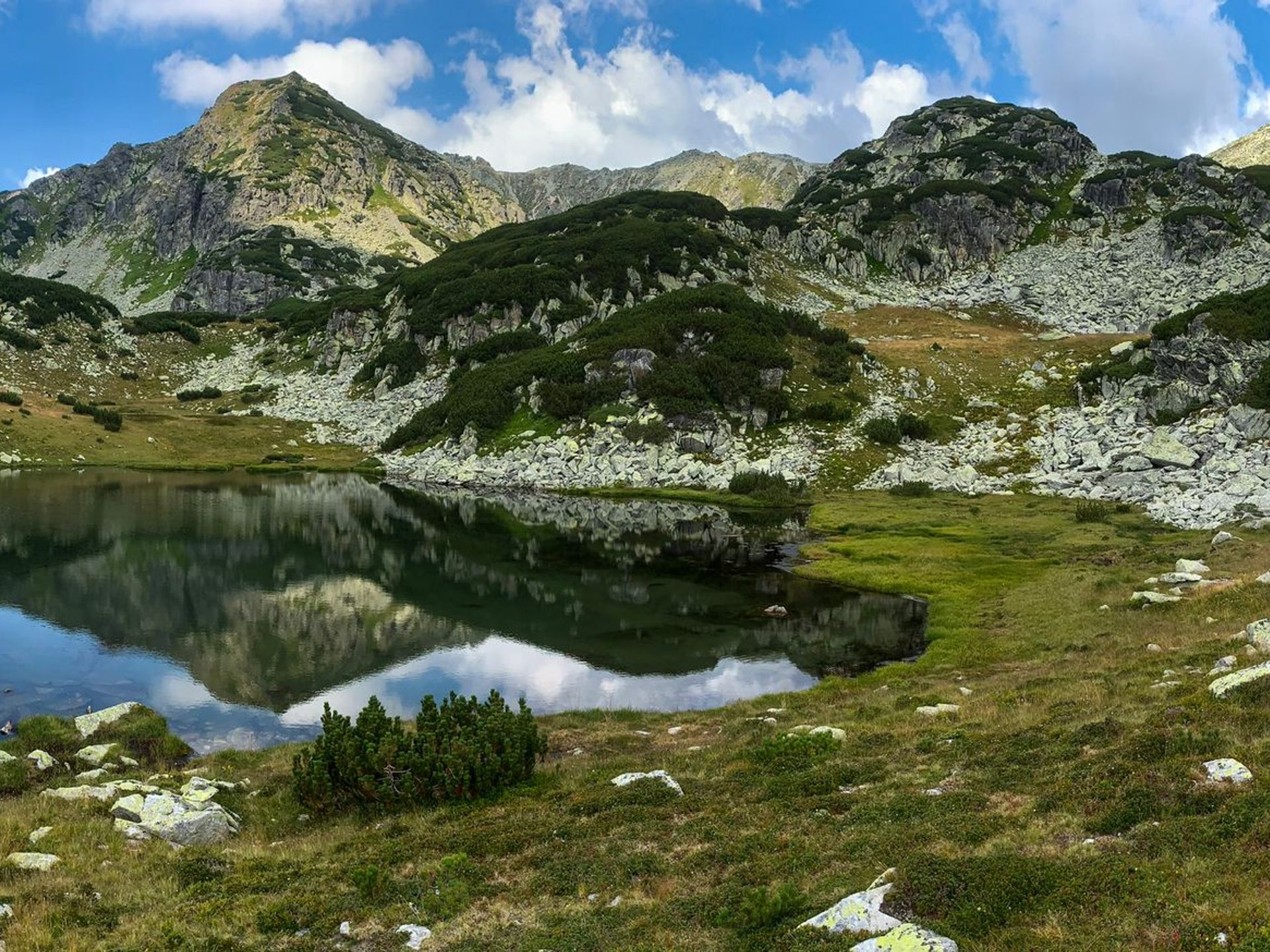
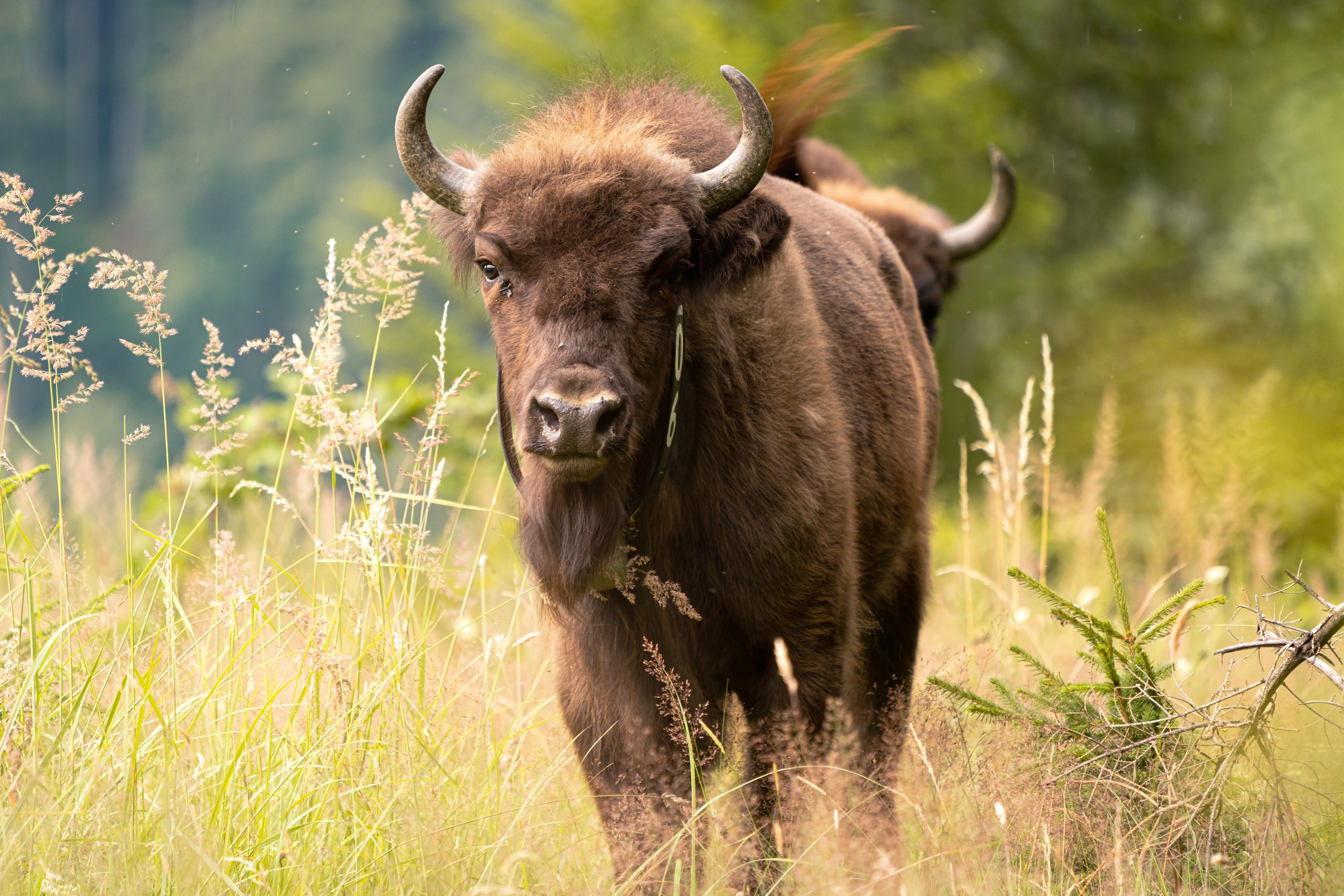
In those landscapes, wildlife is returning. European bison roam again in Romania, cinereous vultures circle above Bulgaria, and rivers are flowing freely in Sweden. Species reintroductions and their natural comeback — supported by corridor creation and coexistence measures — are now driving a remarkable European wildlife comeback.
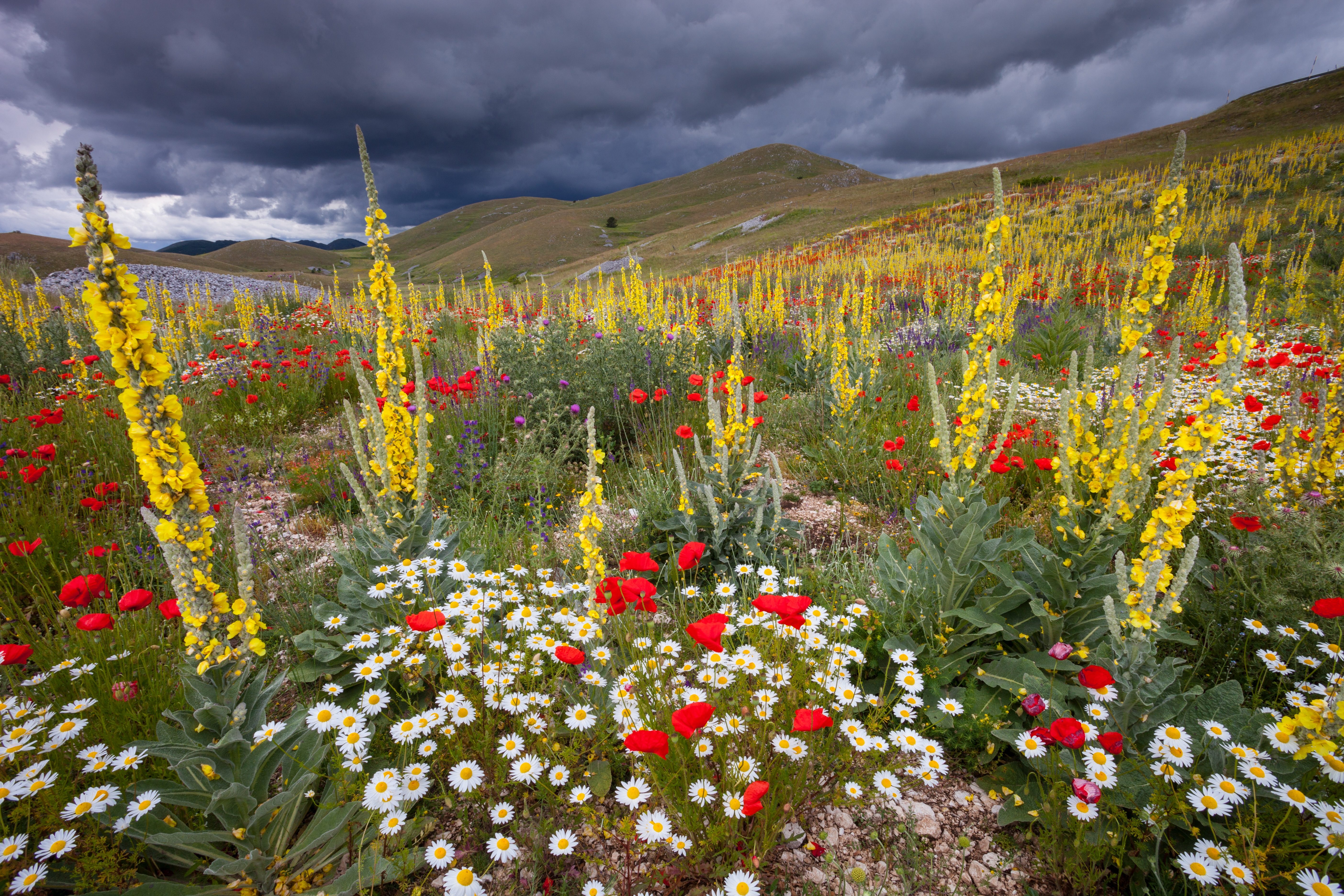
But rewilding is about more than wildlife — it’s about giving space back to nature and restoring the natural processes that shape healthy, resilient landscapes. This means removing dams to free rivers, enabling natural forest regeneration, supporting natural grazing by wild and semi-wild herbivores, and allowing ecosystems to function once again.
In many of Europe’s most marginalised areas, this revival of nature has also become an economic catalyst, helping local enterprises thrive and boosting wildlife tourism through sustainable business. Above all, they’ve helped rewilding take root as a vibrant, growing movement, changing perceptions, inspiring action, and showing that a wilder Europe is not only possible, but essential for the future of people and planet.
How does Rewilding Europe uphold sustainable and ethical practices?
Rewilding Europe ensures sustainability and upholds ethical practices through a comprehensive framework of transparency, integrity, and environmental responsibility. They adhere to the highest standards of good governance and openness, holding both CBF-certification (Centraal Bureau Fondsenwerving) and ANBI status (public benefit organisation), and they follow the professional codes of conduct of “Goede Doelen Nederland”.
Everyone working for or with Rewilding Europe — staff, Supervisory Board members, consultants and partners — is required to comply with their “Code of Conduct”, committing to act with integrity, professionalism, and in full accordance with applicable laws and regulations. They maintain a zero-tolerance policy on fraud and corruption, with responsibilities and procedures outlined in their Anti-Fraud and Anti-Corruption Policy.
Their “Policy on integrity and inappropriate behaviour” ensures a safe, healthy, and respectful working environment for all who work for or on behalf of Rewilding Europe, setting out clear measures to prevent and address inappropriate conduct. In addition, they recognise their own environmental impact: Their “Travel Policy” is designed to minimise carbon emissions, encouraging staff to opt for train travel over flying whenever possible.
Through these policies and practices, Rewilding Europe not only champions sustainability in the landscapes they work in, but also in the way they operate as an organisation. As an organisation, they encourage climate-positive actions, like travelling by train instead of flying, to reduce carbon emissions. Through their policies, they aim for diversity and transparency.
Rewilding Europe also works closely with local communities, making sure their voices are heard and their needs are respected. And young people are actively involved through internships, education programmes, and fieldwork opportunities. Rewilding Europe also partners with companies that share its values and are serious about protecting and restoring nature.
How does Rewilding Europe engage with local communities?
Rewilding has the power to revitalise local economies, especially in areas where opportunities have been limited.
By fostering nature-based tourism and enterprises, they create conditions for communities to flourish, offering sustainable livelihoods that are intimately linked to thriving wild nature. This approach brings tangible benefits to the wider society, demonstrating how wilder landscapes can enrich both nature and people’s lives.
Wilder Places, their rewilding tourism platform, offers immersive, authentic experiences that directly support and empower local communities. By showcasing Europe’s wildest and most inspiring landscapes, they help communities diversify their economies and connect visitors with nature in meaningful ways.
»Rewilding breathes life back into our landscapes. It helps us reconnect with the wonders of Europe’s spectacular wild nature. It is our best hope for a future where people and nature not only co-exist, but flourish«
What are the main challenges that Rewilding Europe is facing?
Rewilding Europe operates at a critical intersection: reversing decades of biodiversity loss while navigating societal, economic and political challenges. Among the key hurdles they face are:
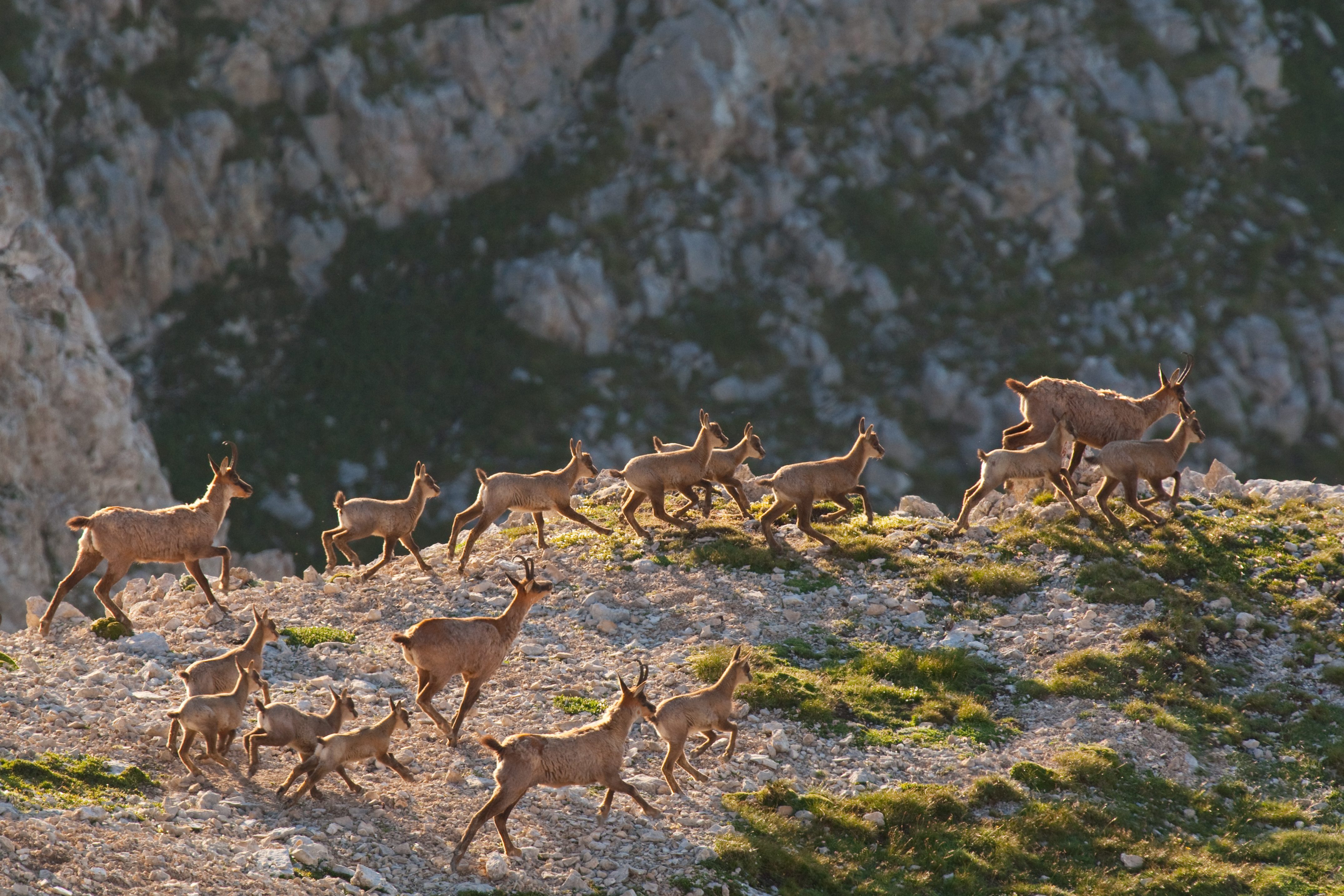
- Coexistence with wildlife: As species return, they work to ensure that communities feel supported, creating conditions for harmony rather than conflict.
- Fragmented landscapes: Connecting habitats across a patchwork of land uses requires innovative ways and partnerships.
- Scaling up fast enough: Climate change and biodiversity decline demand urgent action, and accelerating rewilding at pace and scale is a constant challenge.
Supporters can help by championing coexistence, advocating for policies that favour nature recovery, and helping to build the financial and social capital needed for ambitious, landscape-scale action.
What does the future hold for Rewilding Europe?
The future for Rewilding Europe is bold and hopeful. By 2030, they aim to expand their rewilding landscapes from eleven to fifteen and further strengthen the recoveyr of nature at scale.
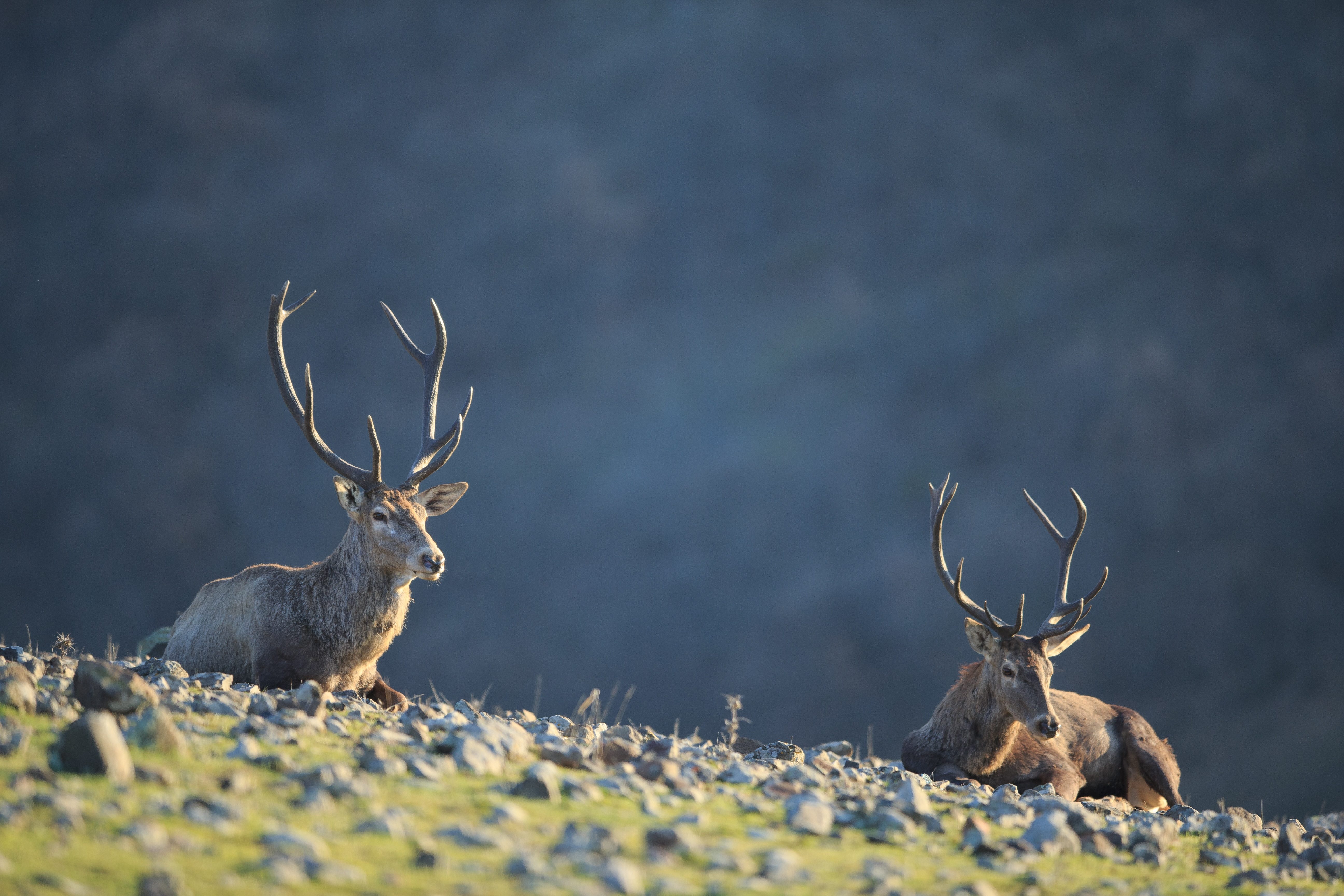
They will continue pioneering the revival of natural processes: free-flowing rivers, natural grazing herds, flourishing forests, and thriving apex predators and scavengers. Their focus will increasingly extend into coastal rewilding, recognising the role that oceans and coasts play in Europe's nature recovery.
In parallel, they aim to inspire a cultural shift, embedding rewilding as mainstream practice, embraced by policymakers, landowners, businesses, and citizens alike.
Rewilding Europe will remain at the forefront: showing that rewilding works and the benefits it delivers, and learning while doing. While they dream big – head in the clouds – their feet will stay firmly in the mud. They keep working to accelerate rewilding by themselves and by others, with the ambition that everyone supports and adopts rewilding and healthy nature as a solution for a prosperous future.
How can we best support the work of Rewilding Europe?
The best way to support their work is to become part of the rewilding movement. Whether you’re a traveller seeking authentic wild experiences, a donor, a volunteer, a landowner or simply a nature enthusiast: your engagement matters.
You can:
- Visit and experience rewilding landscapes
- Support nature-based businesses that promote wildlife recovery
- Share and amplify the hopeful story of rewilding.
- Contribute directly to rewilding initiatives.
Together, we can ensure Europe’s nature thrives once again. For both nature and people.
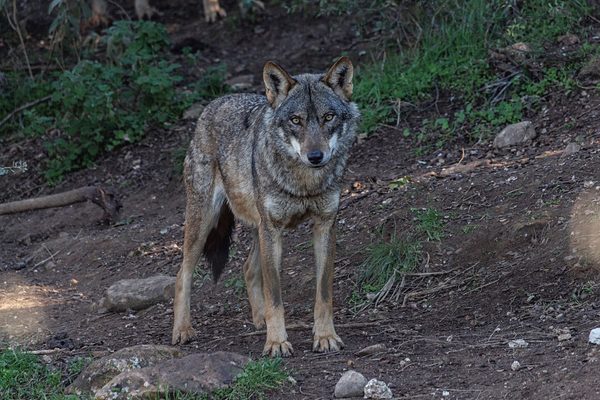
Volunteering Wolf Conservation, Portugal
Volunteer in Portugal to help conserve Iberian wolves at a sanctuary while exploring stunning landscapes and vibrant culture.
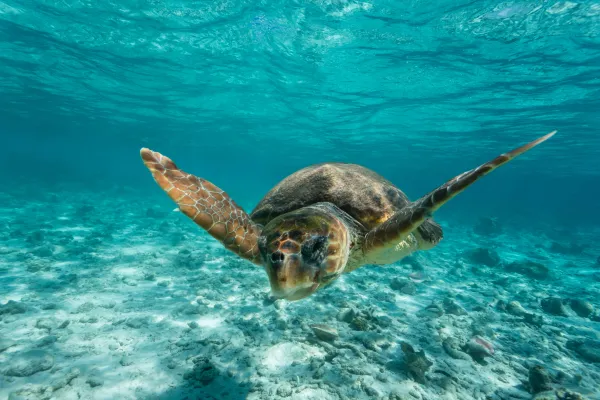
Volunteering Turtle Conservation, Greece
Explore the thrill of sea turtle conservation in Kefalonia! Join our team, protect endangered species, and savor unforgettable moments.
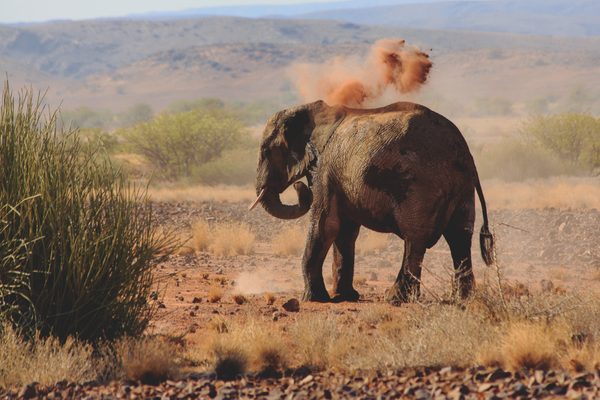
Volunteering Elephant Protection, Namibia
Help protect wild elephants in Nambia, not only to preserve these gentle giants, but also to help reduce human-wildlife conflict in Damaraland.
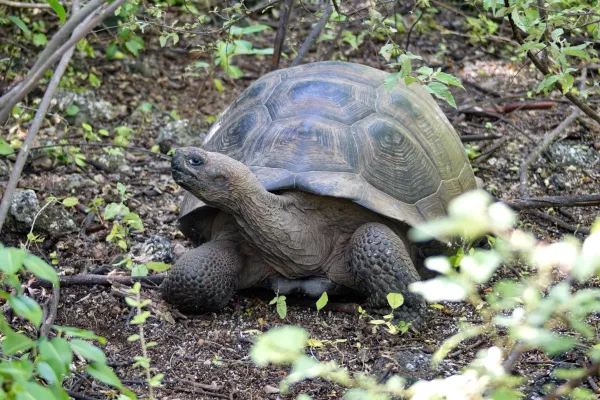
Volunteering Species Conservation Galapagos, Ecuador
Become a volunteer on Isabela Island and help take care of turtles in this biodiversity hotspot of the beautiful Galapagos Islands.
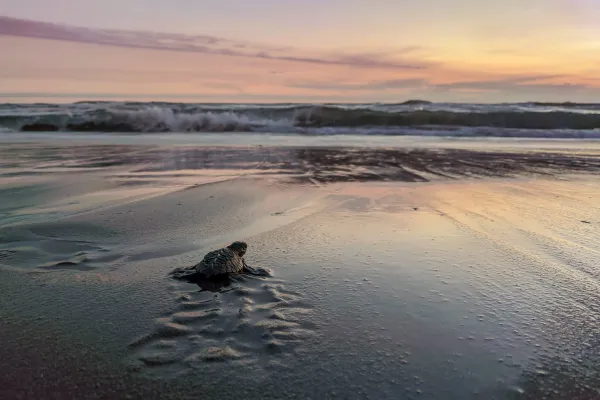
Volunteering Sea Turtle Conservation, Costa Rica
Protect sea turtles in Costa Rica! Patrol beaches, safeguard nests, collect data, and explore vibrant coastal landscapes in a hands-on conservation adventure.
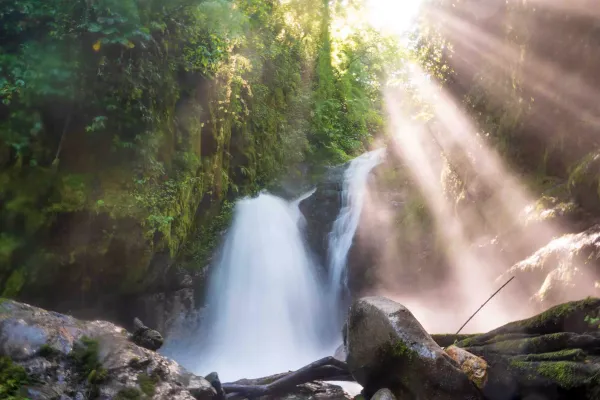
Volunteering Forest Conservation, Costa Rica
Become a volunteer in Costa Rica, help preserve nature, and gain practical experience in conservation efforts!