
Our partner: Biflores
Biodiversity Conservation Association - Biflores was formed by local eco-citizens and began its journey in 2016, by protecting the Loggerhead Sea Turtle (Caretta caretta), on Brava and the neighbouring Ilhéus de Romba.
Over time, and through partnerships with national and international organizations, they broadened their perspective to embrace a holistic approach that integrates terrestrial and marine conservation with sustainable rural development.
Their focus is on fostering resilience for both human and non-human communities, including endangered endemic plants and trees and marine biodiversity on Brava.
They advocate for and work towards a natural resource management system that benefits all, promoting harmony between people and nature amidst climate change challenges.
Today, Biflores consists of a diverse and interdisciplinary team dedicated to promoting biodiversity conservation through local development and sustainability. Biflores blends local wisdom with the global scientific effort to conserve Brava’s unique endangered endemic species
Brief profile of Biflores
- Name: Biflores
- Year founded: 2016
- Headquarter: Brava, Cabo Verde
- Locations: Africa
- Focus: Animal Welfare, Human rights, Nature Conservation, Education
- Languages: English, French, Portuguese
- Certification status: Non-profit status
- Instragram Biflores
- Member of: African Biodiversity Conservation Alliance, TAOLA + Network of Biodiversity Conservation NGOs in Cabo Verde
What is the mission of Biflores and what projects are currently being developed?
Mission:
Biflores is dedicated to fostering community-led conservation initiatives that promote the sustainable stewardship of Brava’s natural-cultural heritage.
Their mission is to empower local communities to become guardians of their environment by:
- Engaging in collaborative efforts to protect and preserve Brava’s unique biodiversity and ecosystems.
- Raising awareness amongst our community members about the importance of conservation and sustainable living practices.
- Facilitating participatory approaches to natural resource management that respect traditional knowledge and cultural values.
- Supporting research and monitoring programs to better understand and address environmental challenges facing Brava.
- Advocating for policies and practices that prioritise the long-term well-being of both people and nature.
Through their commitment to community-based conservation, they strive to cultivate a future where Brava’s natural landscapes thrive, and its communities flourish in harmony with nature. Together, they believe in the power of collective action to safeguard our precious environment for generations to come.
Vision:
Biflores envisions a Brava where people, land, and ocean thrive together. Their work fosters resilient terrestrial and marine ecosystems, from restored and productive agroforests to vibrant marine biodiversity and sustainable fisheries.
By integrating local ecological knowledge, cultural heritage, and community empowerment, they support livelihoods that harmonise with conservation, ensuring that biodiversity flourishes while human communities prosper.
Moreover, they seek to bring this vision to life via conservation models that are sustainable, inclusive, and deeply rooted in the landscapes and communities of Cabo Verde. Their projects are therefore:
- Small-scale, community-driven, and ecologically grounded.
- Anchored in cultural identity, solidarity, and local empowerment.
- Focused on practical, context-specific solutions that balance biodiversity protection with human well-being.
Learn more about ongoing projects on their website: Terrestrial Conservation – Biflores
»It is our peoples who guarantee the future and certainty of our victory.«
How does Brava’s isolation affect Biflores’ ecosystem protection efforts?
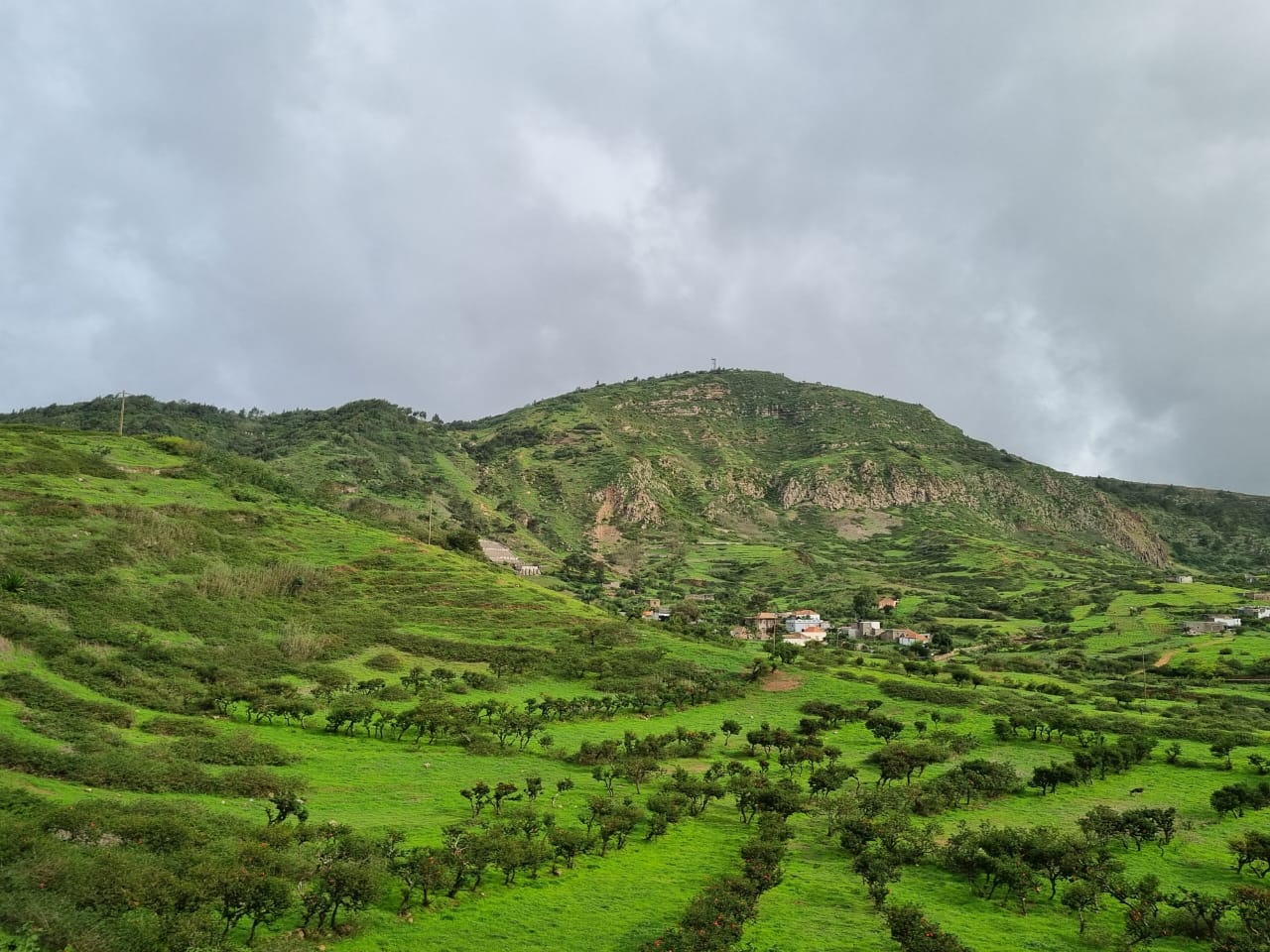
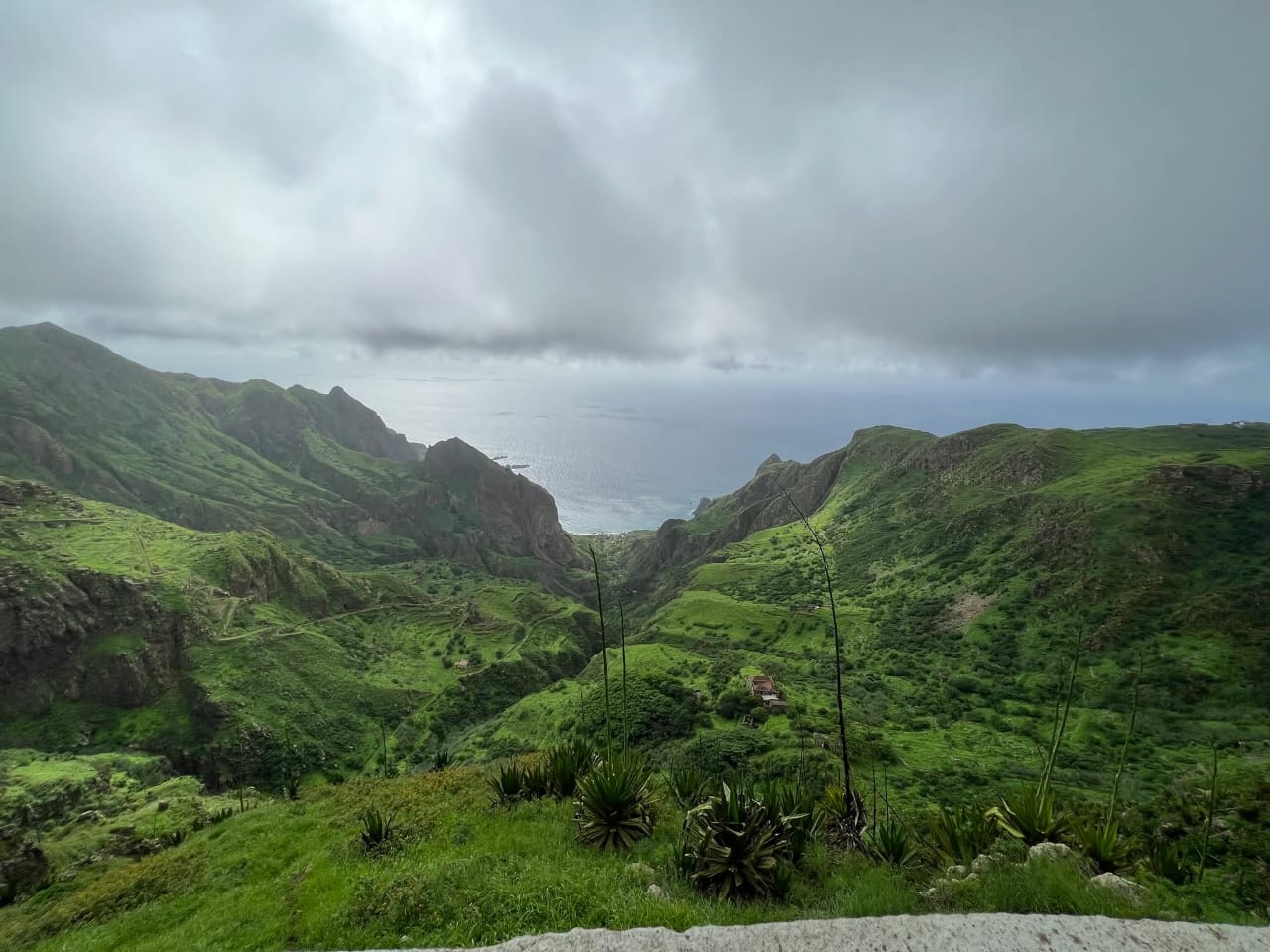
Brava is a treasure trove for terrestrial and marine biodiversity. Its traditional agricultural landscapes harbour many endangered endemic species of flora, insects, reptiles and birds. Its waters are rich in marine life (although low in population density).
However, the isolation of the island, especially from essential services such as transport, healthcare, water-access and meaningful employment, coupled with the harsh impacts of climate change (droughts, flash floods, landslides, land erosion etc.) are leading to a rural exodus.
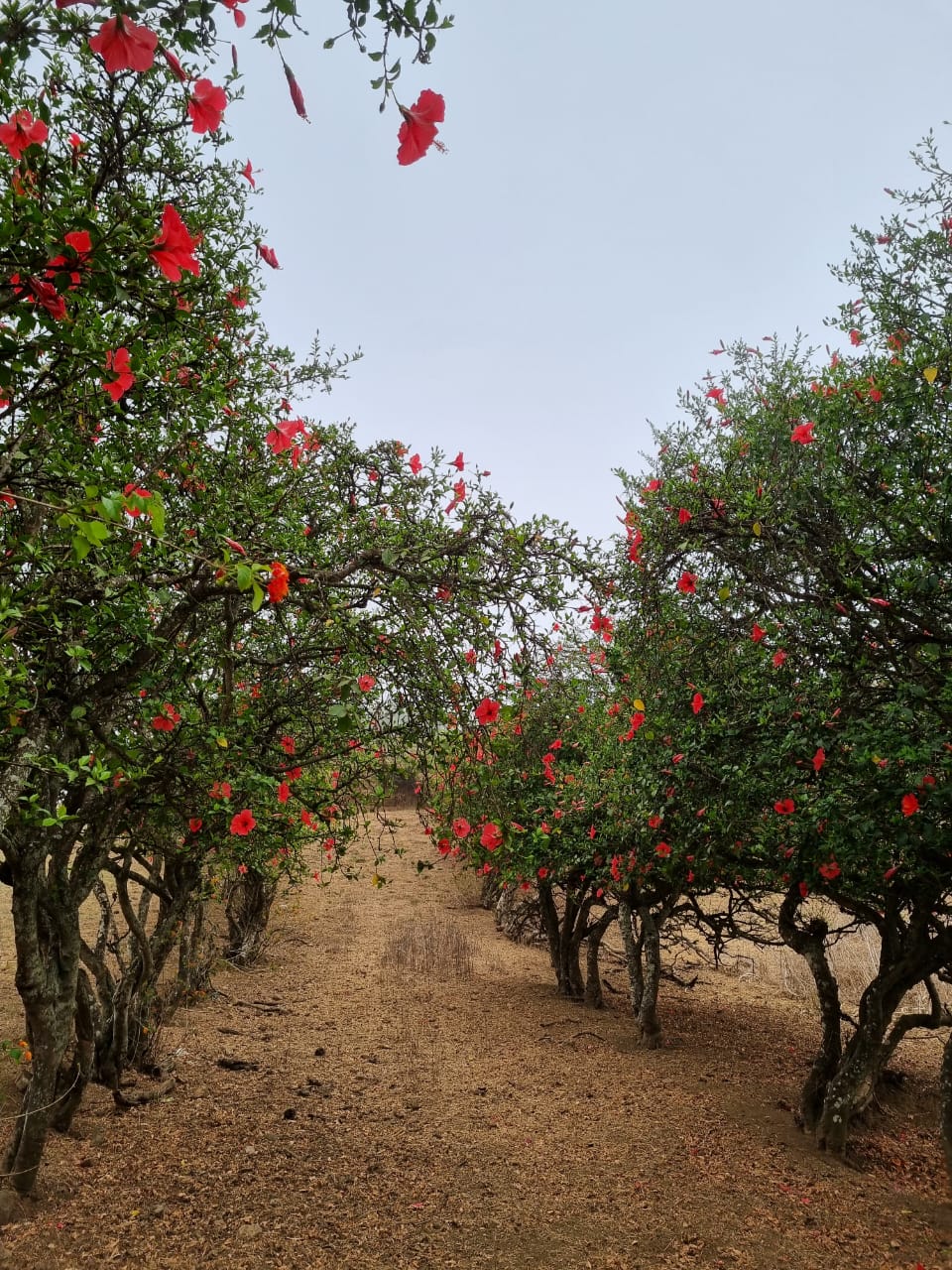
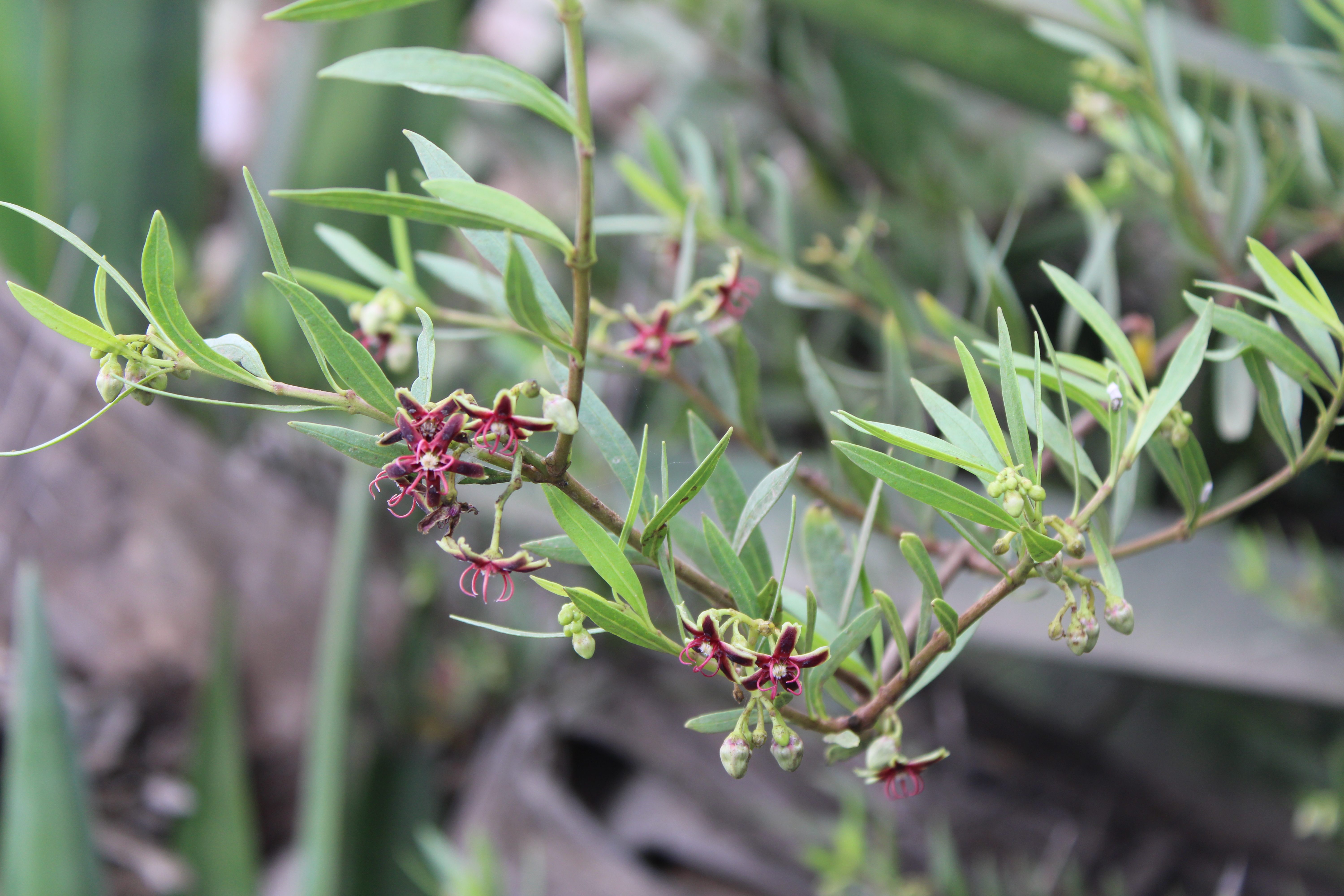
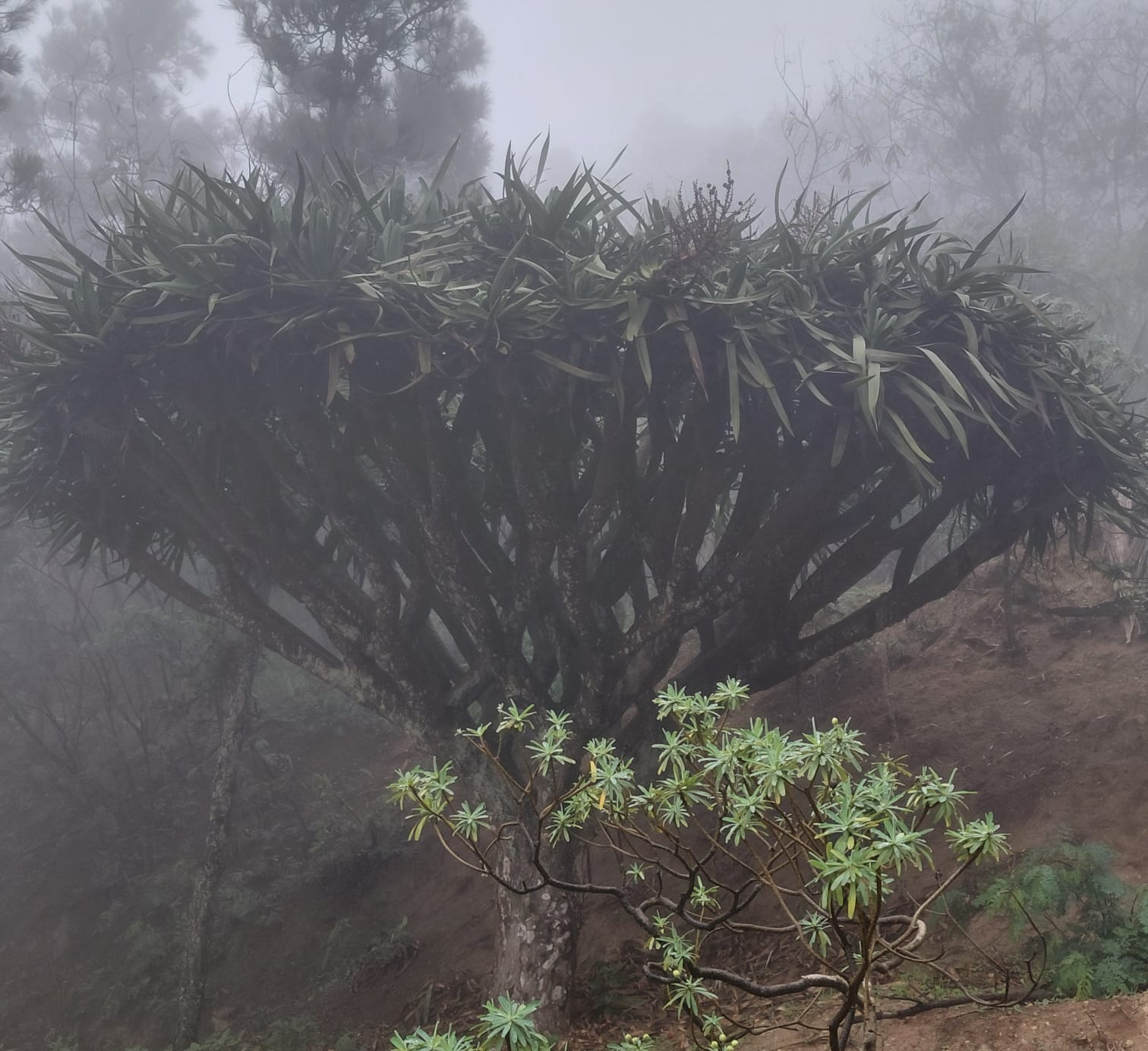
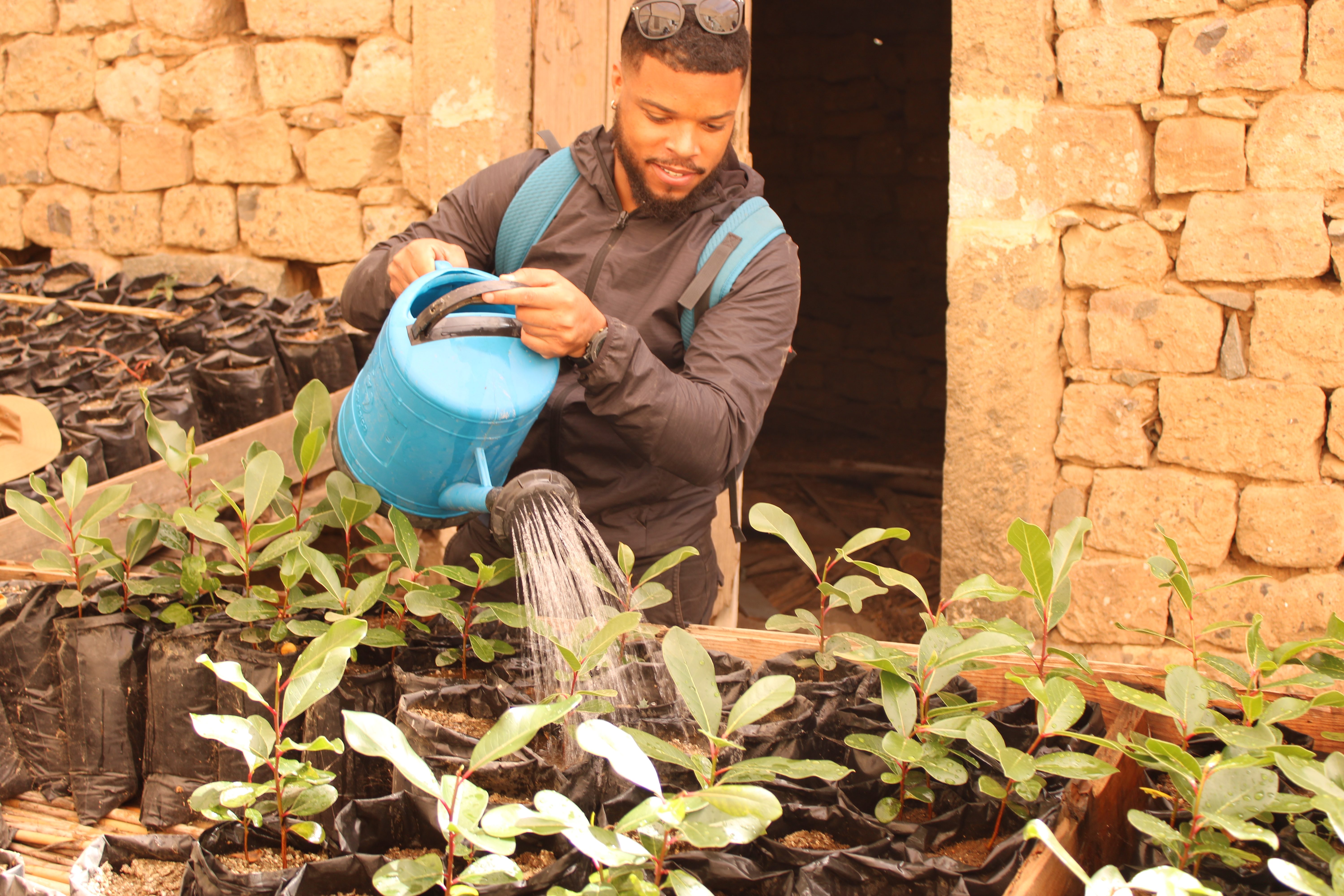
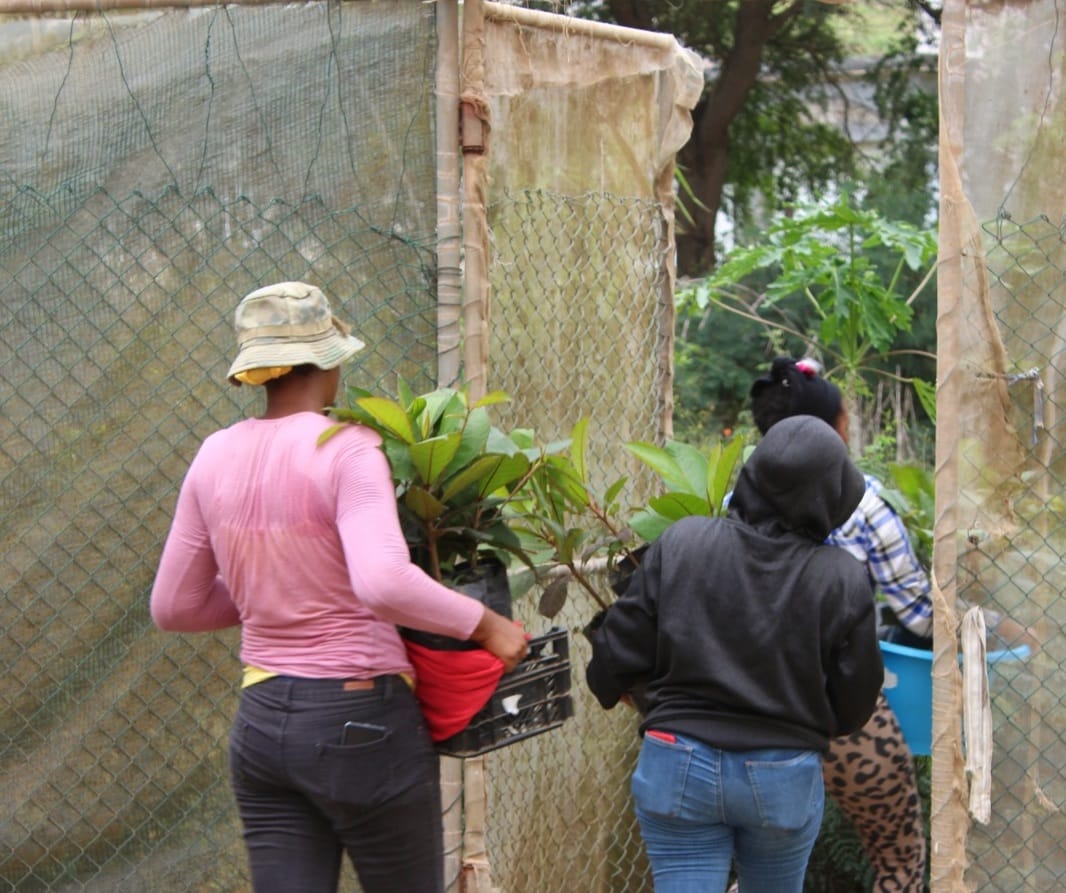
In the highly modified ecosystems of Cabo Verde and especially in Brava, ‘nature’ needs people to survive and thrive. Habitat management, including rewilding of the lands with endangered species of flora, (including the mighty Dragon tree (Dracaena caboverdeana), the Ironwood tree (Sideroxylon marginatum), The Cape Verdean Date Palm Tree (Phoenix atlantica), and the various species of vulnerable endemic plants) requires invasive species removal and management, plant production, planting and post-plantation care.
Lack of availability of finance for conservation, scarce labour, and difficulties in access to information and technology and materials for conservation are amongst the most important challenges for conservation efforts.
What key achievements has Biflores made so far?
Key achievements of Biflores in the last few years include:
Development of a sustainable grazing plan with breeders and local institutions:
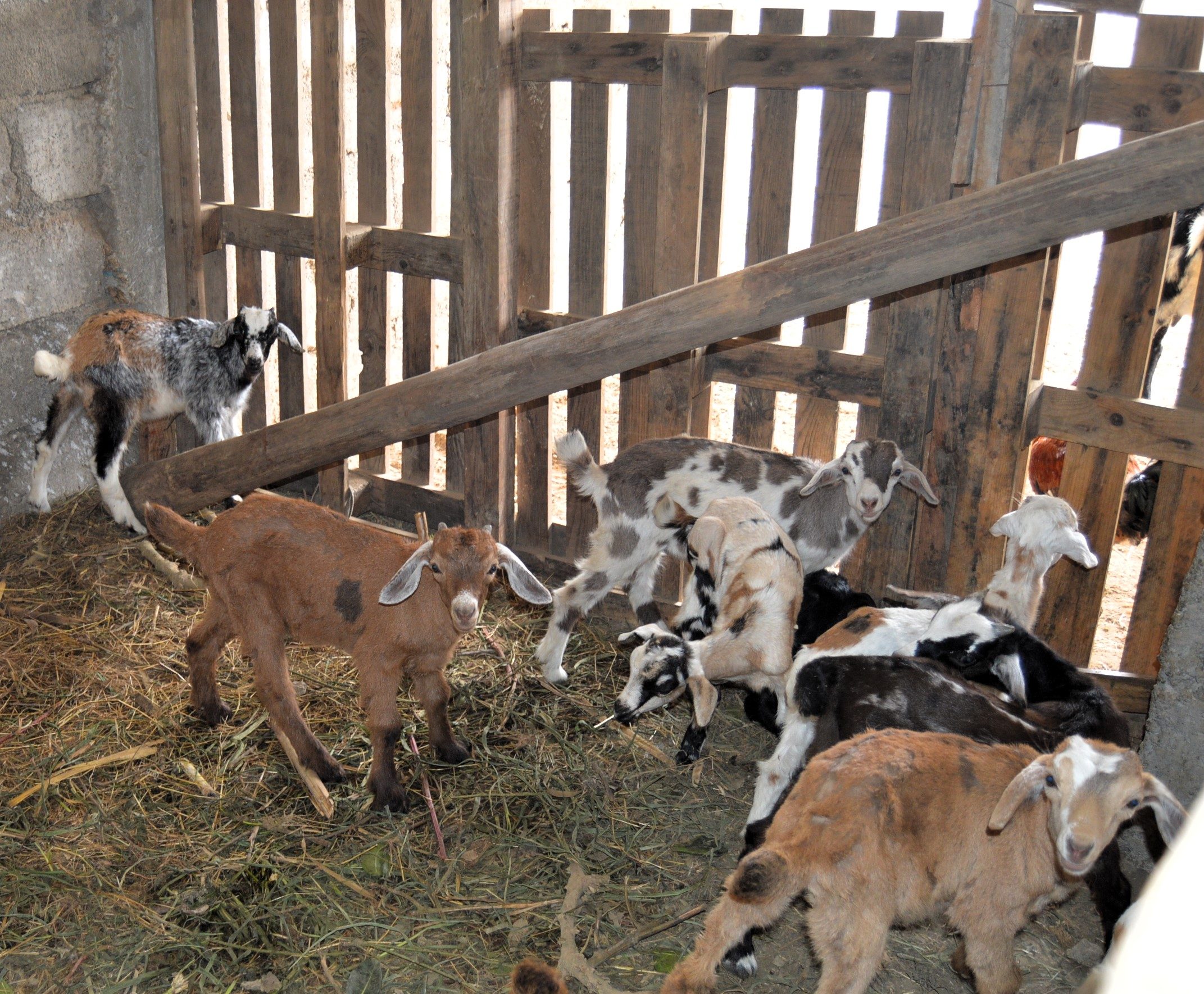
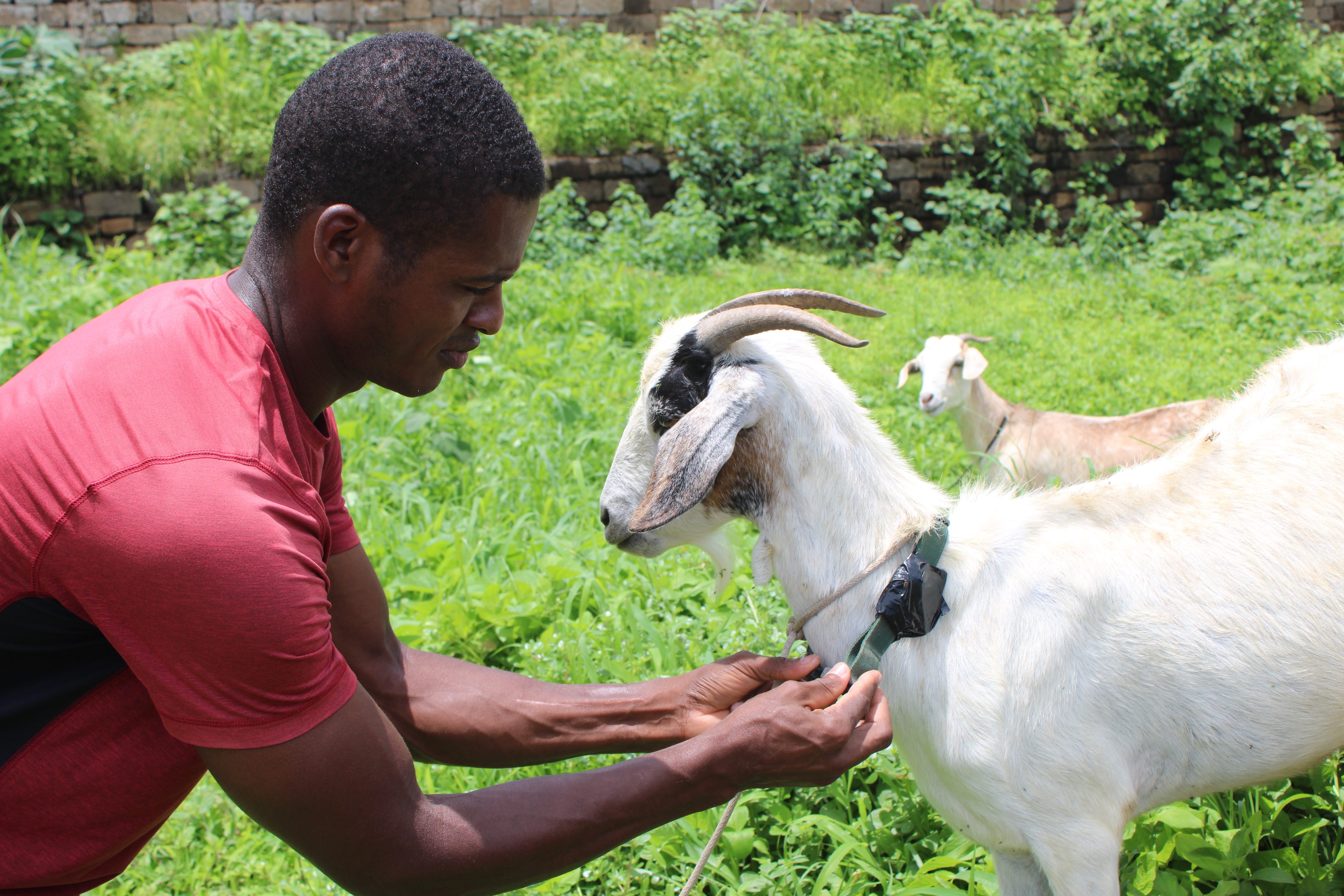
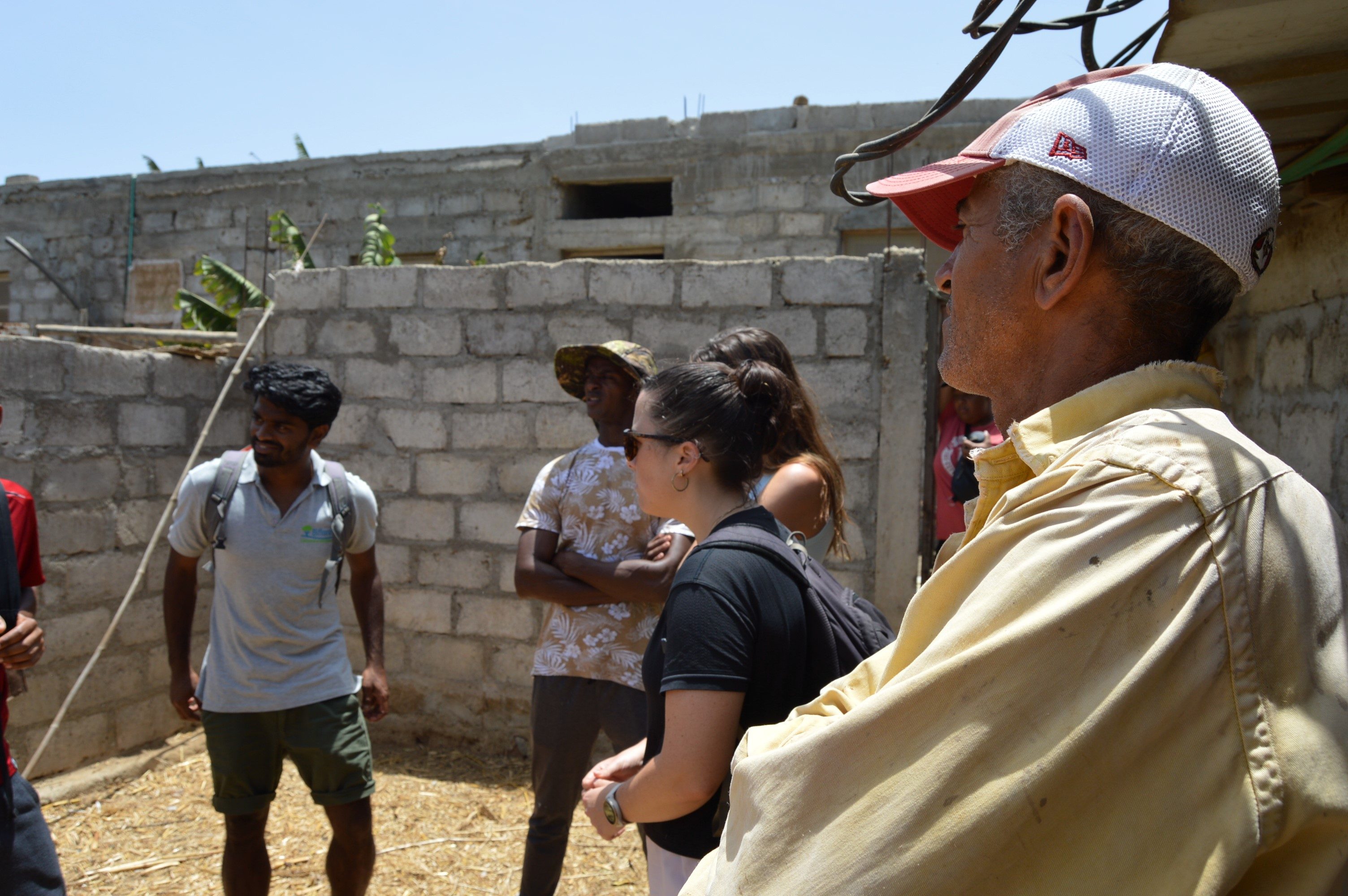
Free grazing has been recognized as a primary threat to the survival of the island’s endangered flora. The community-developed sustainable grazing management plan provides them with a roadmap for the organization of a transition from free grazing to sustainable, controlled, semi-intensive grazing.
Successful mobilisation of cloud-moisture as a source of water:
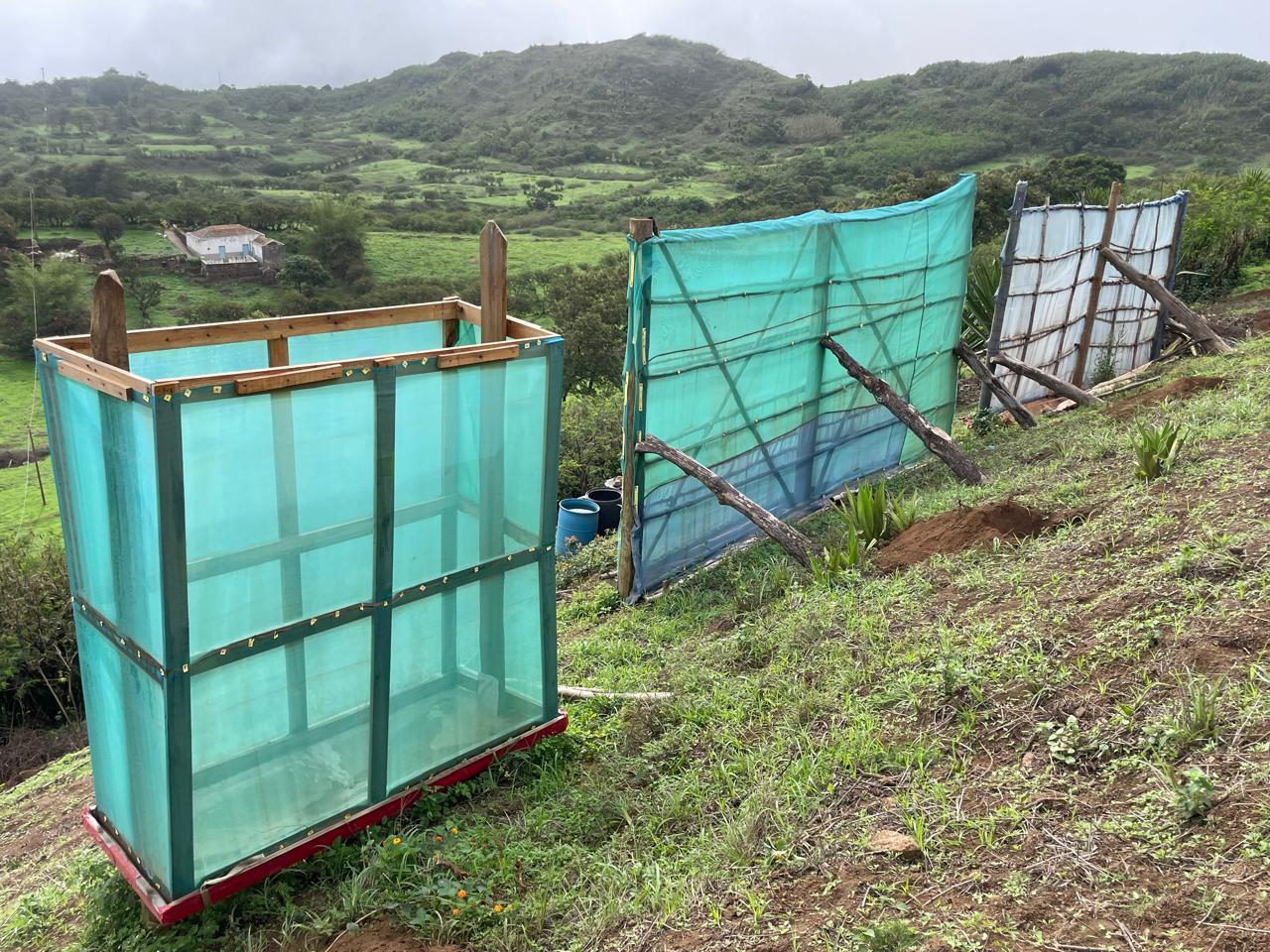
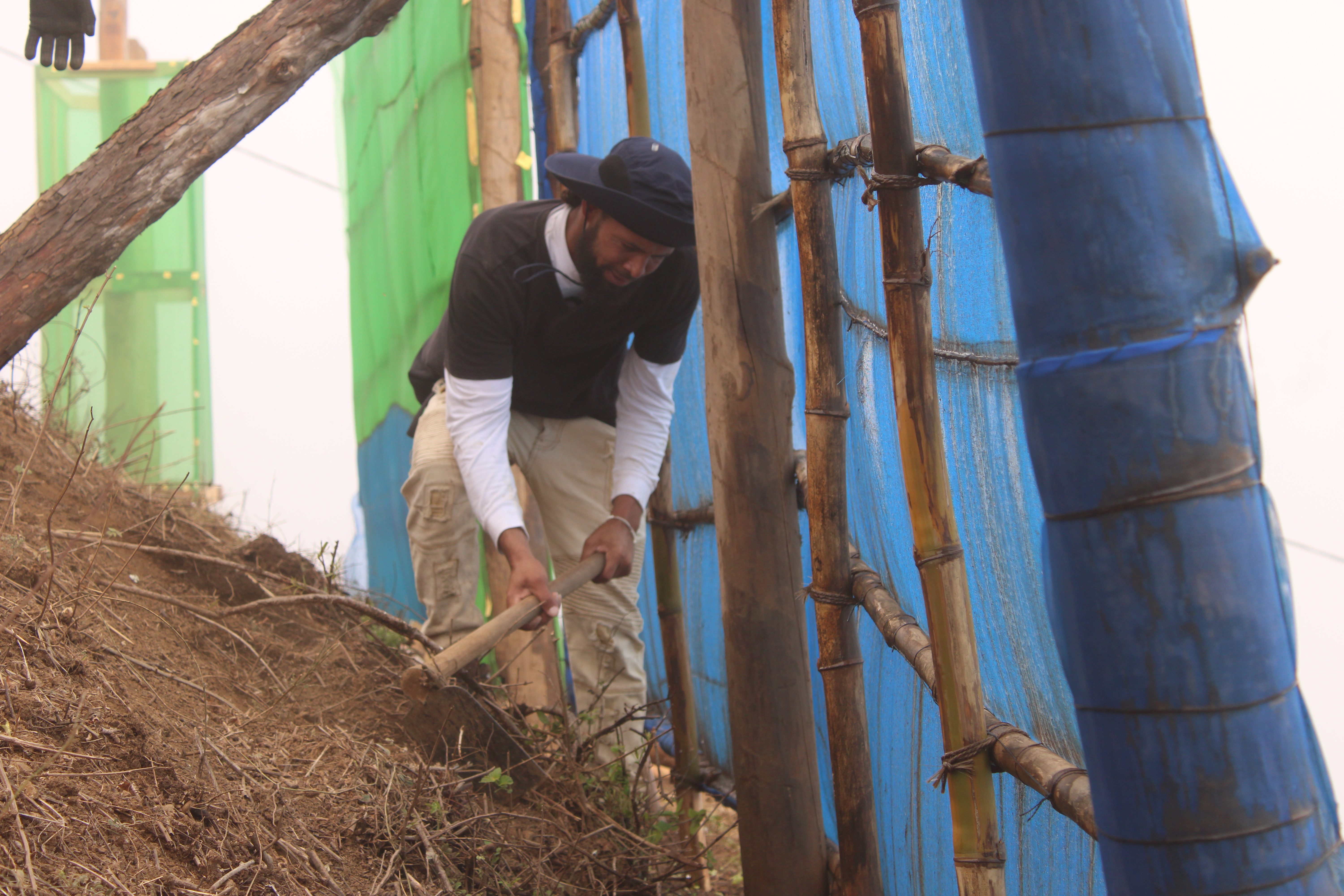
Brava suffers from chronic water insecurity. In 2023, Biflores implemented a pilot cloud-moisture harvesting project to test the potential of condensing atmospheric humidity to increase water availability for ecological restoration and sustainable grazing activities.
The cloud-moisture harvesters that they installed produce between 600 and 1500 litres of water (depending on the weather conditions). They mobilise this water for the production of endemic species in their community nurseries and also share it with cattle breeders to incentivise sustainable grazing.
Invasive species management and valorisation:
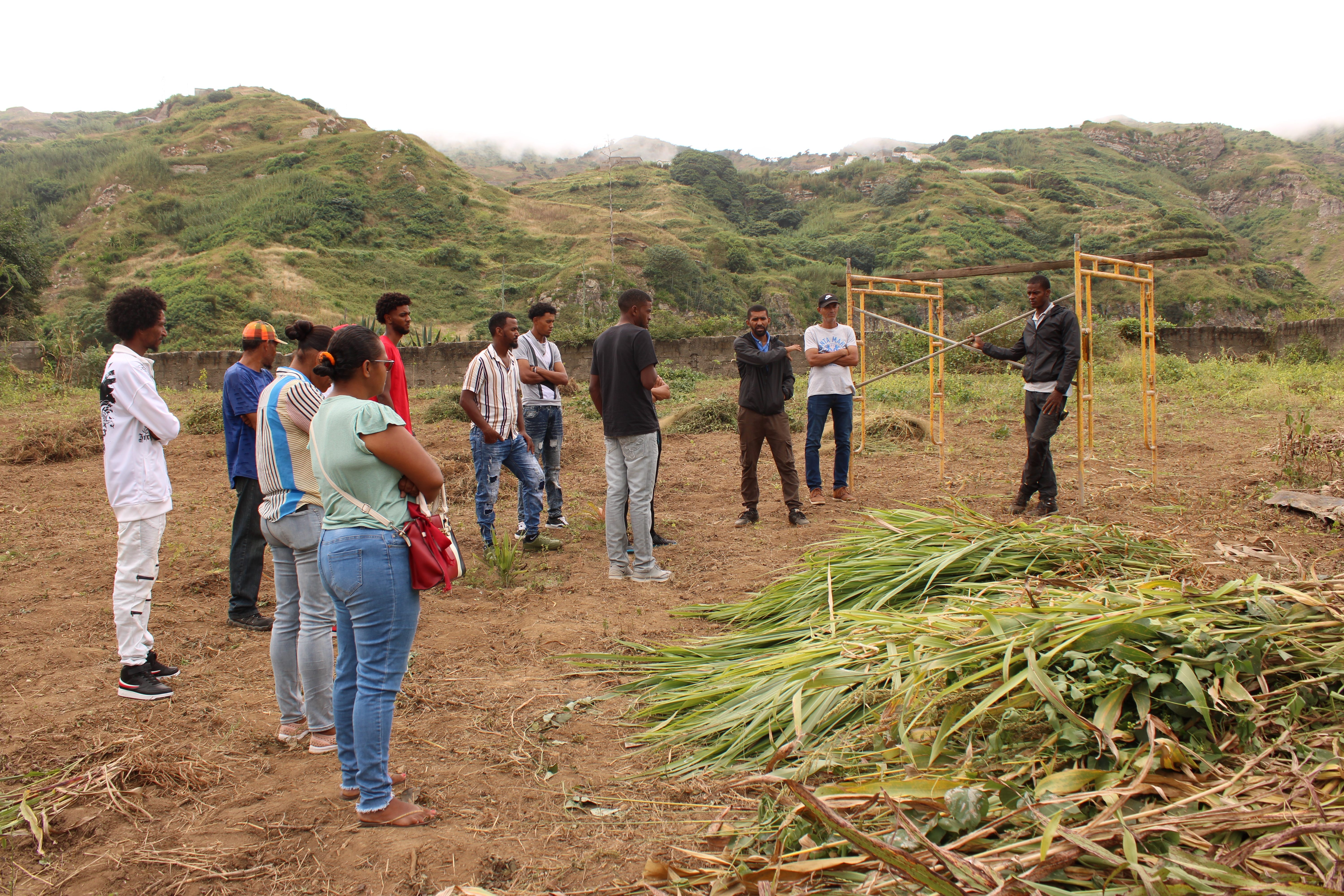
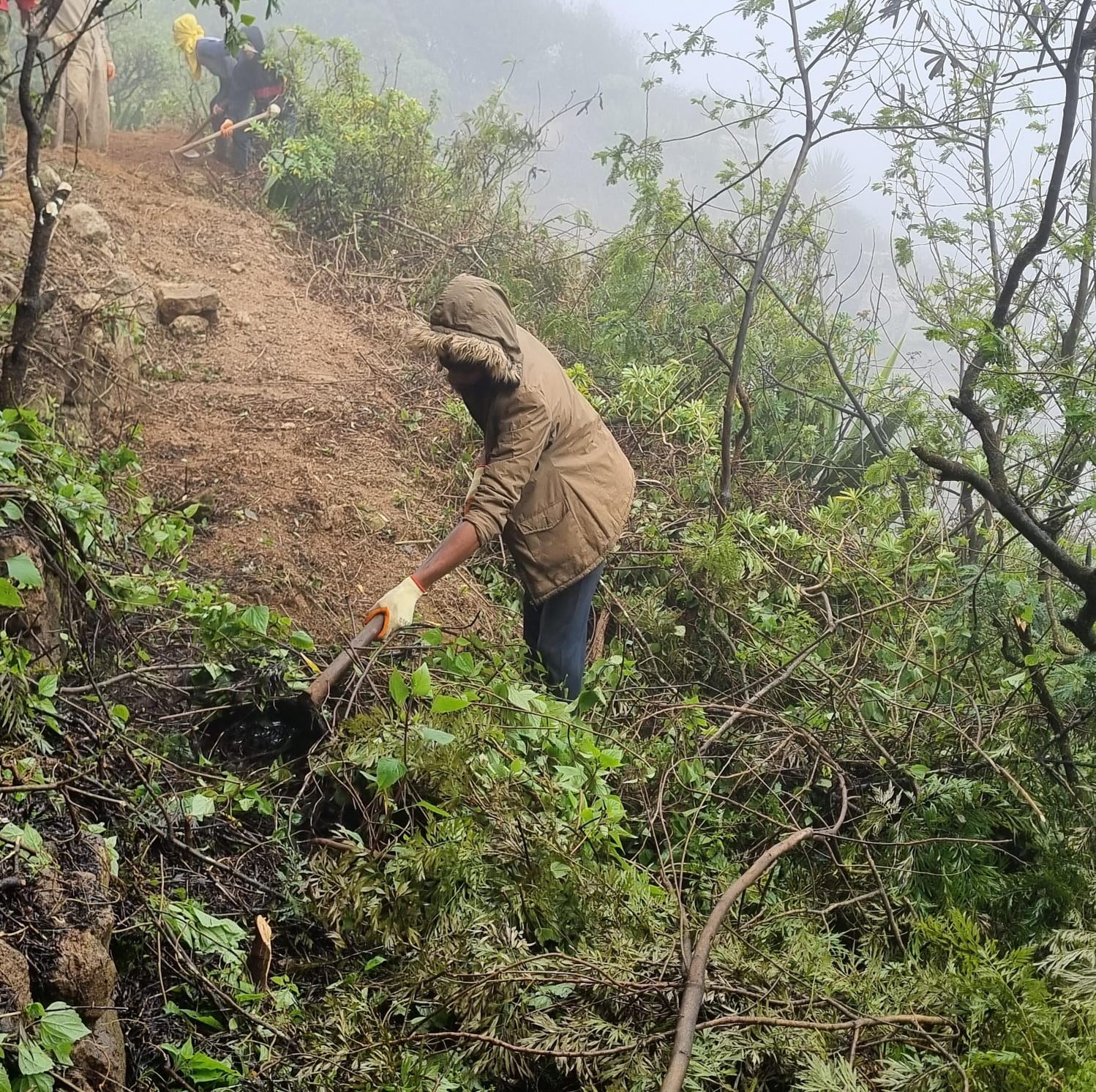
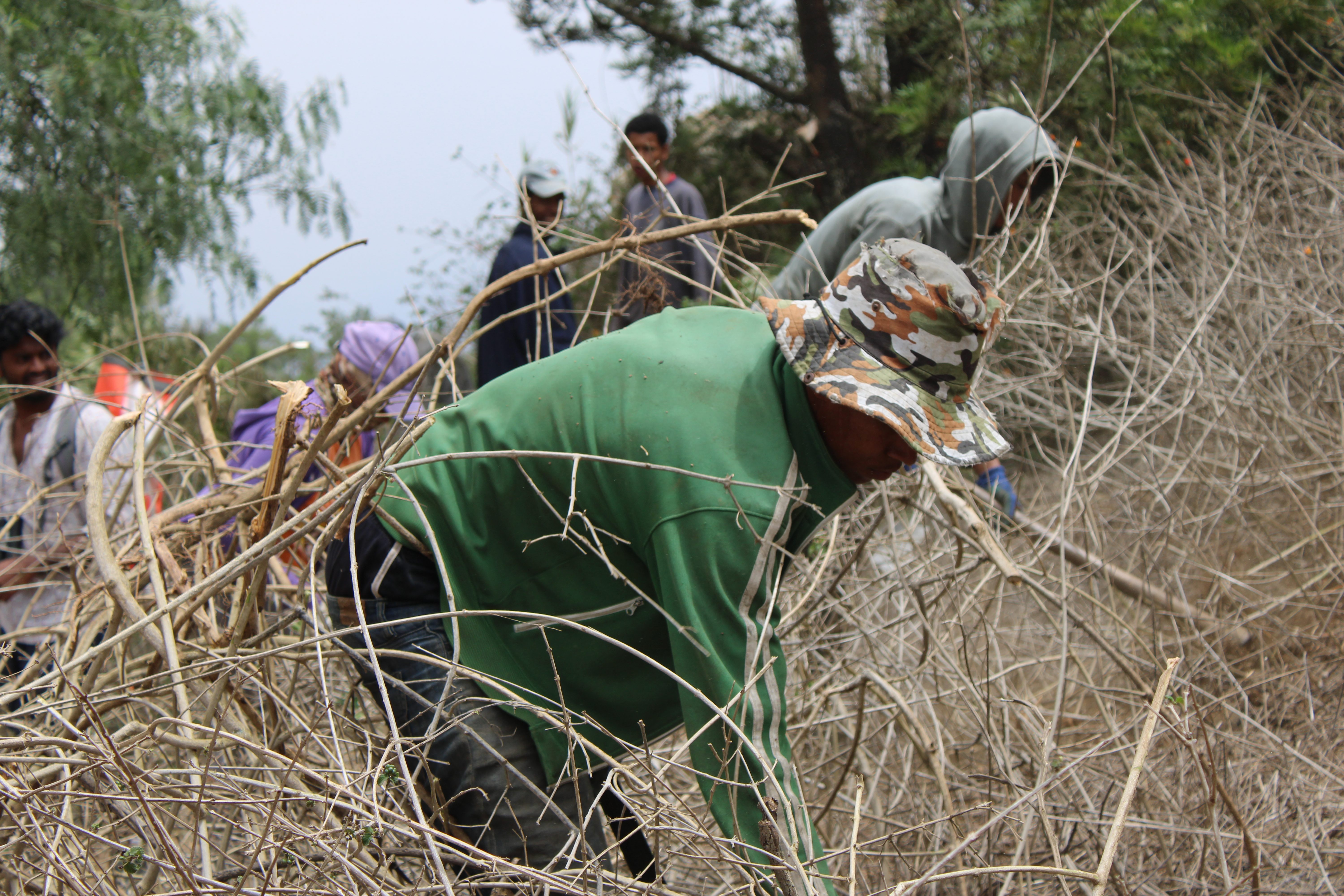
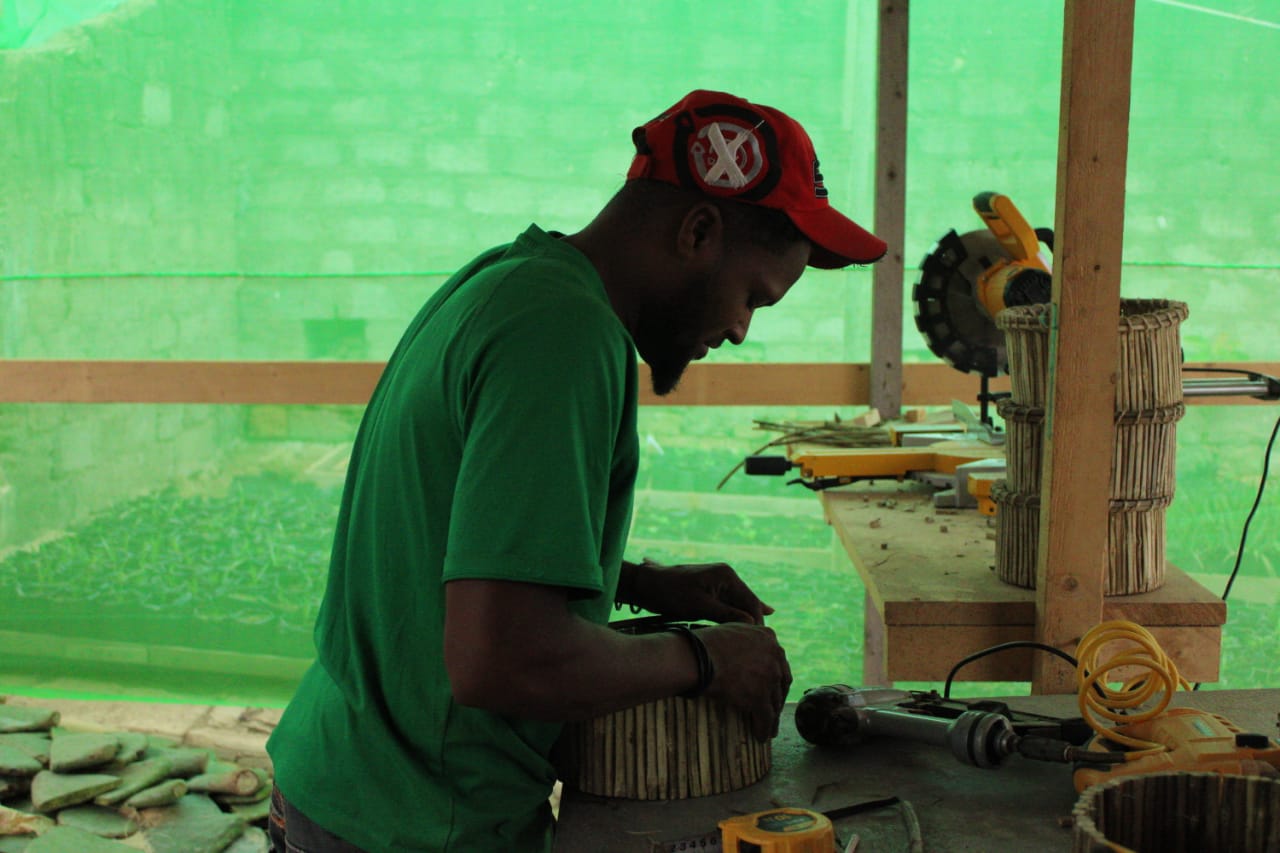
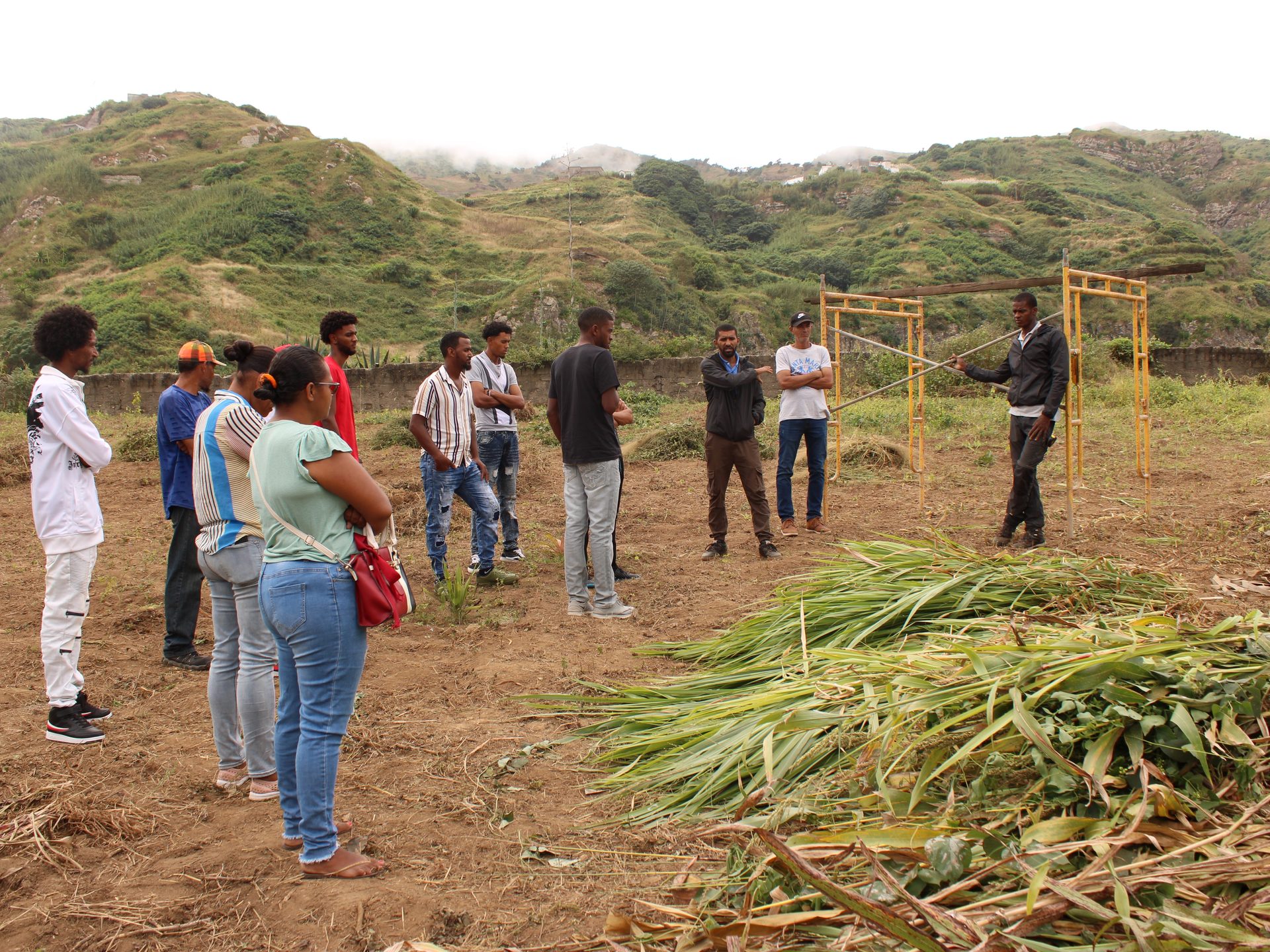
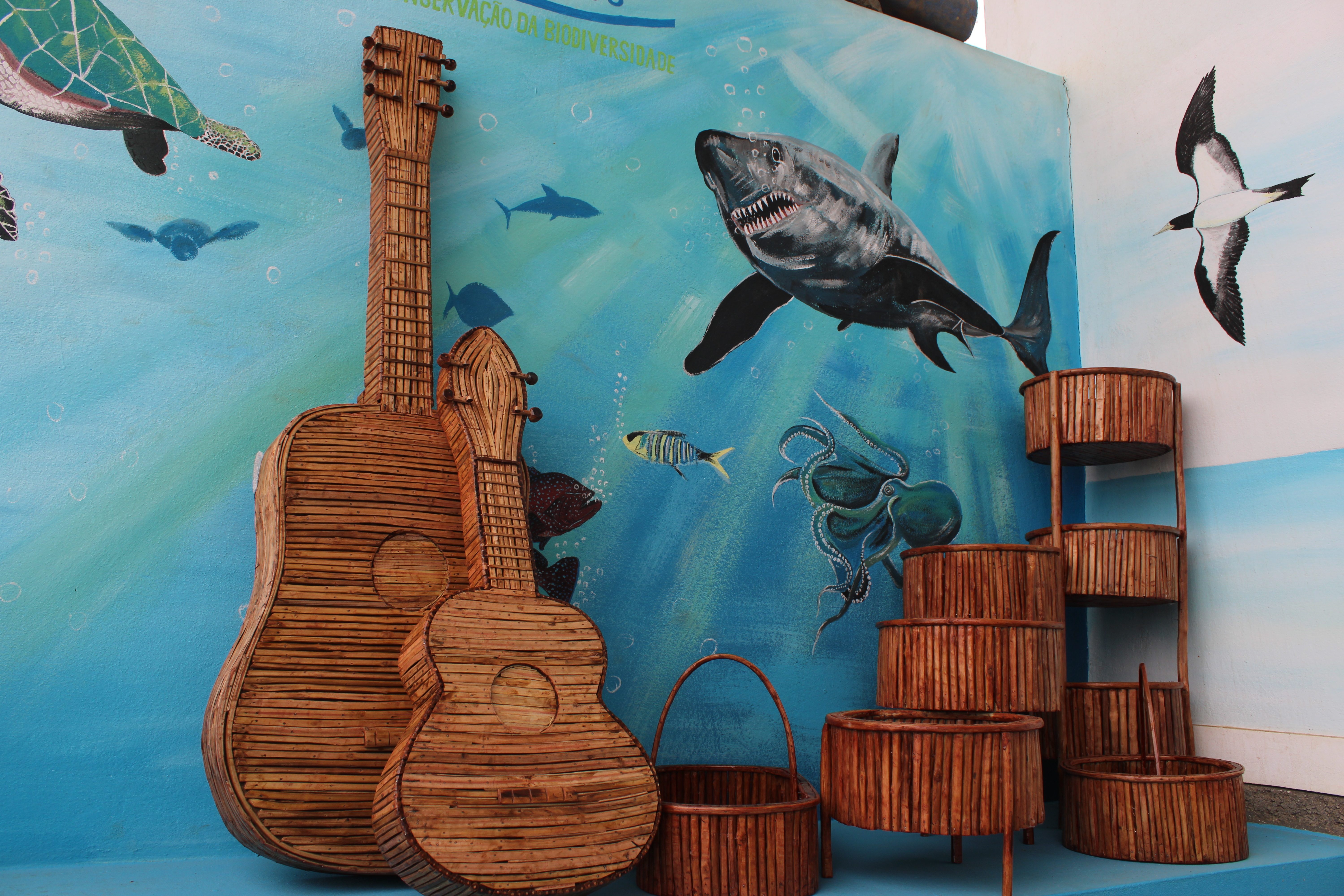
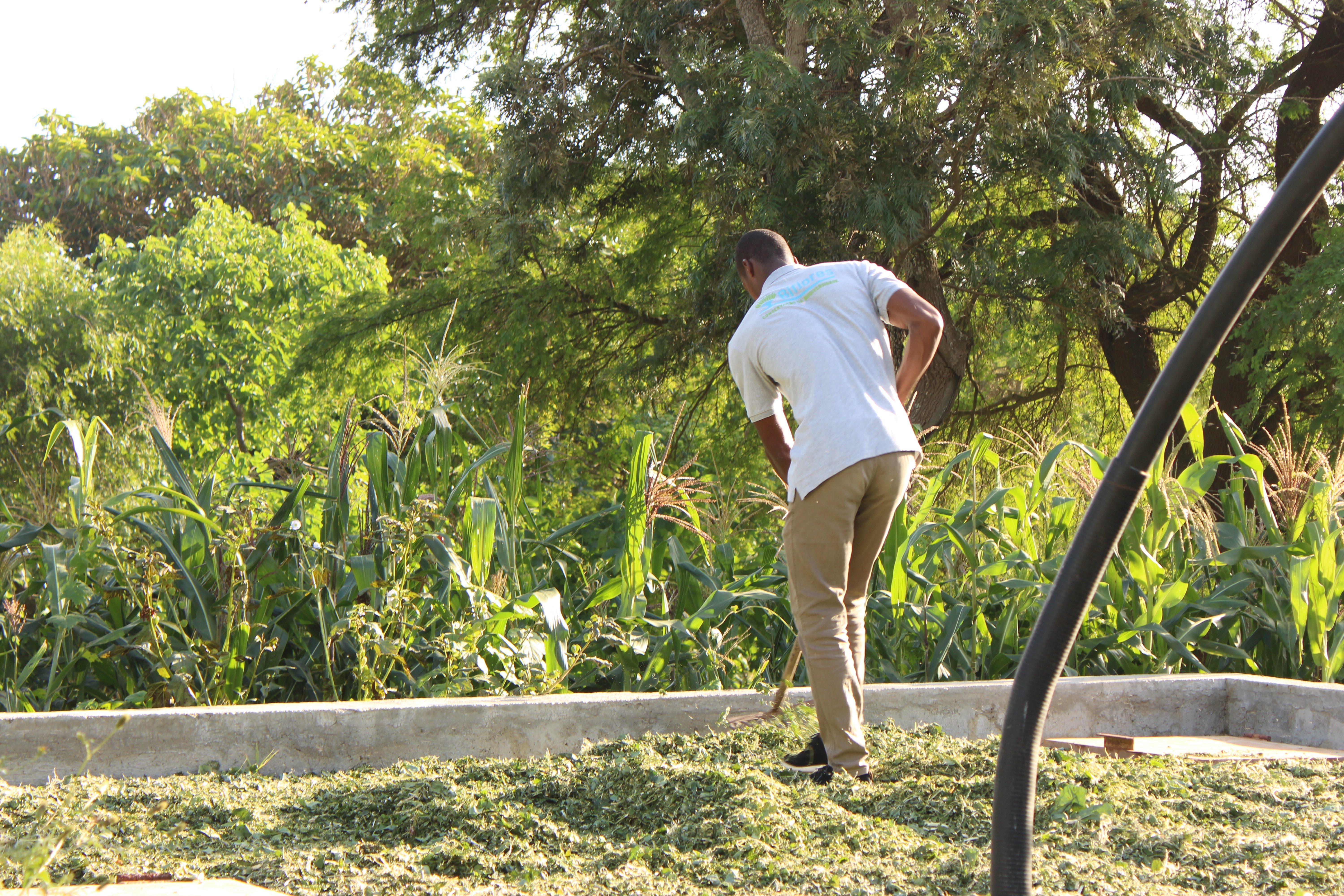
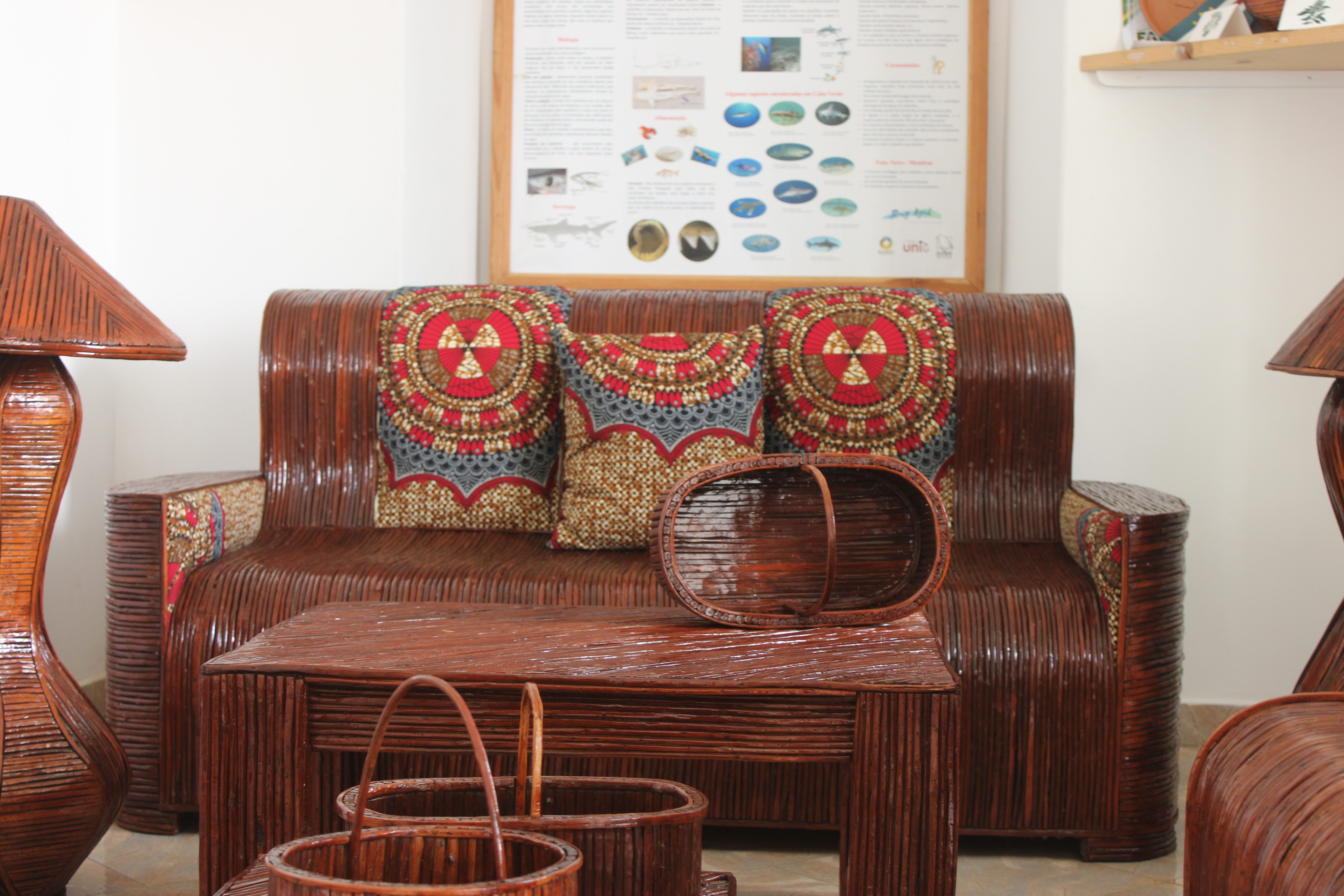
Introduced species such as Lantana camara, Fucraea foetida and Prosopis juliflora have turned invasive due to multi-factorial causes. Their invasive species management program trains local youth on the most efficient ways to remove invasive species and transform them into artisanal and utilitarian products, including furniture, decorative pieces, mosquito repellent and organic fertiliser.
In-situ conservation of endemic flora:
Their team has extensively mapped the communities of threatened endemic flora on their island and pursues in-situ conservation actions to ensure that their populations and stabilized and increasing.
All their work is community-owned and community-managed - from the design phase to the implementation phase, they communicate with local communities to understand their desires and with the international scientific community to understand how they may be able achieve them in the face of the ongoing planetary crises.
Biflores procures the financing for these projects via national and international grants and organizes their communities for project management to simultaneously achieve conservation and development goals.
»Yet all really important innovations and changes normally start from tiny minorities of people who do use their creative freedom.«
How does Biflores collaborate with the local and international community?
The core of Biflores is formed by eco-citizens from various local communities of Brava. Their aim is to blend the local traditional ecological knowledge with the global scientific effort to conserve biodiversity.
Given the logistical challenges, the scientific community has paid little attention to studying the terrestrial and marine biodiversity of the island. Local traditional ecological knowledge is an extremely important source of information in the case of Brava.
However, due to the emigration and shifting interests of the youth, local traditional ecological knowledge is eroding. In addition, this knowledge was developed over generations in a climate system that differs significantly from today's.
Therefore, bridging the gap between traditional knowledge and the international scientific community is essential. Biflores has developed technical, organisational and financial partnerships with international organisations, including the Critical Ecosystem Partnership Fund, SMILO - the Small Islands Organisation, GESPLAN - Gran Canaria and the Conservatoire Botanique Nationale de Brest.
Partnerships to achieve their goals are fundamental, especially when partners listen attentively to local voices, visit, and try to understand the particularities and challenges of the unique context.
In what ways is Biflores trying to change or expand how people see Cabo Verde?
Indeed, much of the information and the narratives about Cabo Verde are produced externally. The population of the diaspora of Cabo Verde is larger than the in-country population.
In addition, much knowledge is produced in the official language, Portuguese, or in the academically accepted languages of English or French, rather than the de facto language of the people, Kriolu Kabuverdianu. This often affects the inclusion of locals in narrative building.
Biflores aims to expand the way people perceive the region by tailoring real experiences in the Cape Verdean rural world. The people who are brave enough to risk the transportation challenges to arrive in Brava, are probably extremely interested in the island’s incredible history and integrated nature and culture. They welcome them to embrace the difference from what they are used to and try to integrate into the local way of life, as much as possible.
People from Brava are more than happy to try and communicate in English, and also to teach visitors enough Kriolu to be able to communicate, and willingly share everything from information to meals and cups of ‘Djabi’ - the locally produced rum.
There is no better way of perceiving the region and its communities by interacting with them. Biflores facilitates this at their association’s office and in on-the-field visits which include local goat cheese tastings, open discussions, musical evenings etc.
What are Biflores biggest goals for the next decade?
Their biggest goals are to scale-up the successful pilot projects for the goal of ecological restoration of the fragile ecosystems of Brava. They aim to:
- Significantly increase the populations of endangered endemic flora and vegetation.
- Implement the transition from free grazing to sustainable grazing, along with local communities and institutions
- Eradicate invasive species from ecologically sensitive zones and substitute them using an agroforestry and livelihood approach.
- Increase water availability in the high-altitude regions by expanding cloud-moisture harvesting capacity.
- Support fishing communities via aquaculture pilot projects
- Build the organisational and financial capacity of their team
What are the biggest obstacles Biflores has to overcome?
The biggest challenges include:
- Emigration and scarce human resources
- Limited of access to information, technology and machinery
- The isolation due to the lack of regular transport.
- Limited opportunities for unrestricted funding for organizational development.
Travelers can be supporters by taking the risk to visit Brava. They know that the journey is risky, given the boat schedule and its irregularity, but if you make it, they can make sure it’s worth your while!
Supporting local businesses and initiatives can provide a lot of the resources of hope and motivation that they desperately need to fuel their mission. Sharing knowledge is another way that supporters can help Biflores advance their mission.
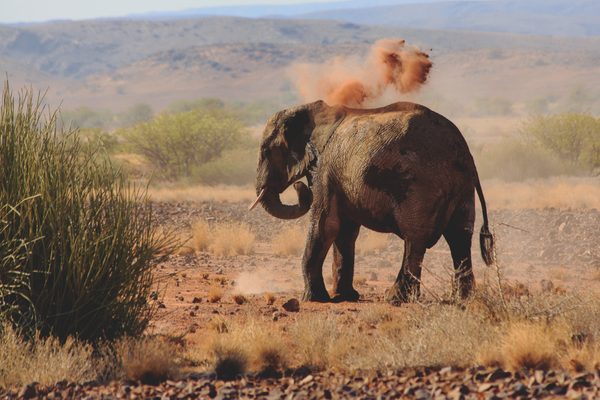
Volunteering Elephant Protection, Namibia
Help protect wild elephants in Nambia, not only to preserve these gentle giants, but also to help reduce human-wildlife conflict in Damaraland.
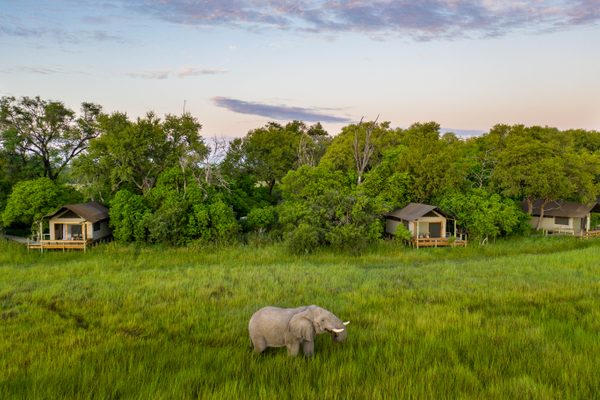
Private Wilderness Experience Wild Khwai , Botswana
Discover Botswana's Khwai Private Reserve on a 13-day private safari with intimate wildlife encounters and luxury at Little Sable.
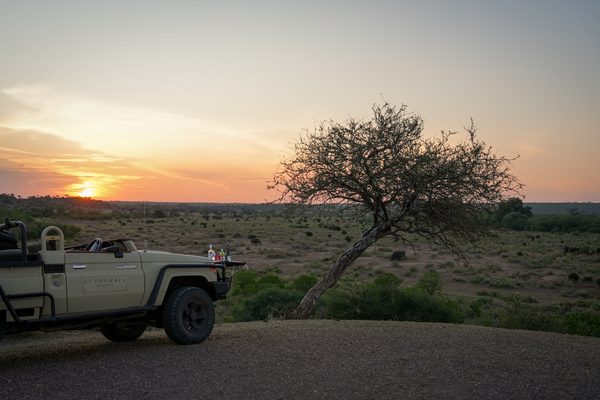
Euphorbia Mashatu Experience, Botswana
Stay at Euphorbia Mashatu for luxury safari adventures, private villas, spa treatments, and unforgettable wildlife encounters.
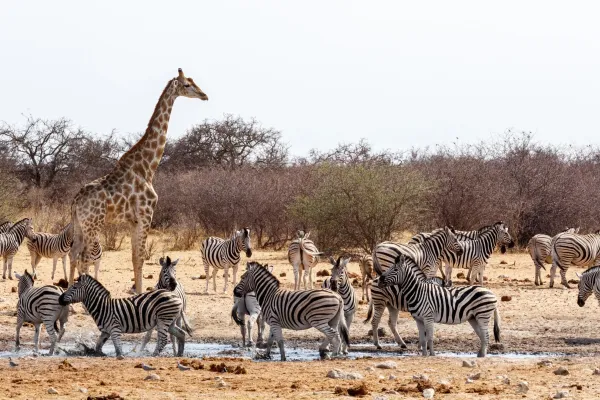
Safari Wildlife Expedition, Namibia
Take part in the wildlife safari in Namibia's north and be impressed by the magic Etosha National Park and the Waterberg Region!
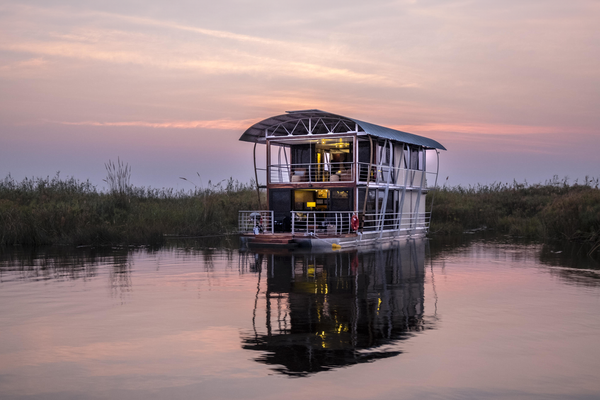
Namushasha River Villa, Namibia
Discover luxury at Namushasha River Villa: a private oasis on the Kwando River, perfect for intimate sunsets, boat trips, and game drives.
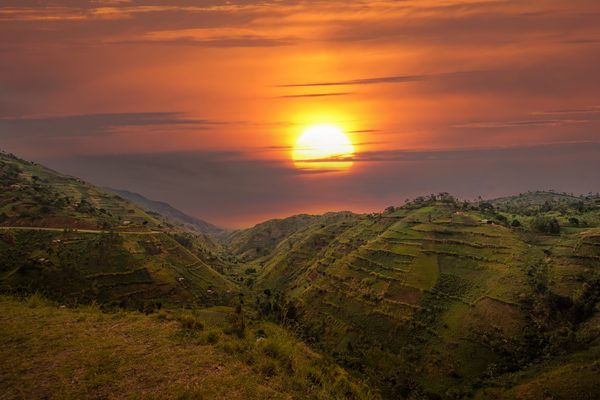
Volunteering Biodiversity Conservation, Uganda
Experience hands-on conservation in Uganda! Work with wildlife, assist local communities, and protect biodiversity in this fascinating landscape.
Sign up for the newsletter
By clicking on “Subscribe now” I will subscribe to the Conscious Explorer newsletter with all the information about mindful travel. Information on the success measurement included in the consent, the use of the shipping service provider MailChimp, logging of the registration and your rights of revocation can be found in our privacy policy.