
Charting a course for change: Women & the Wind
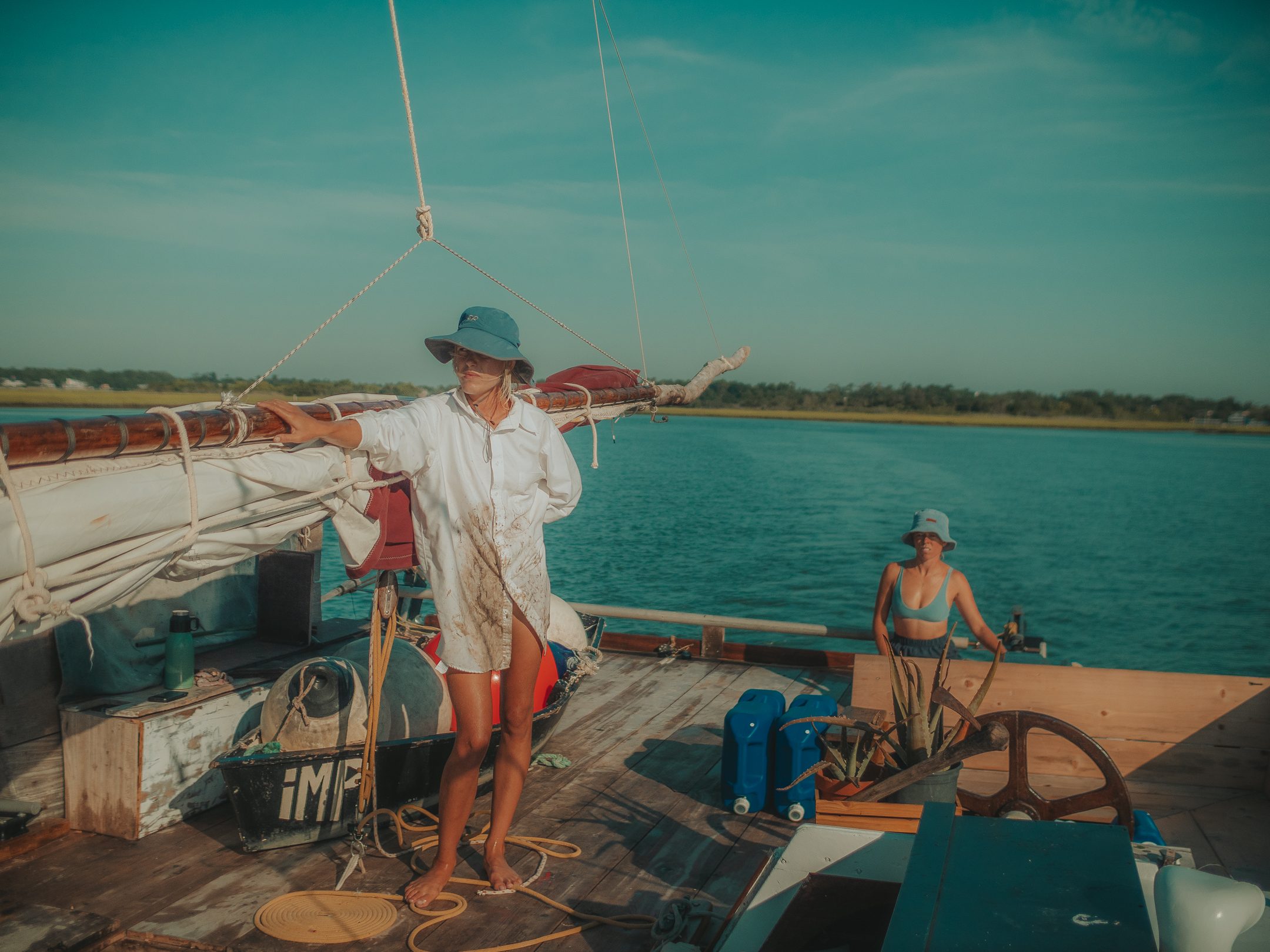
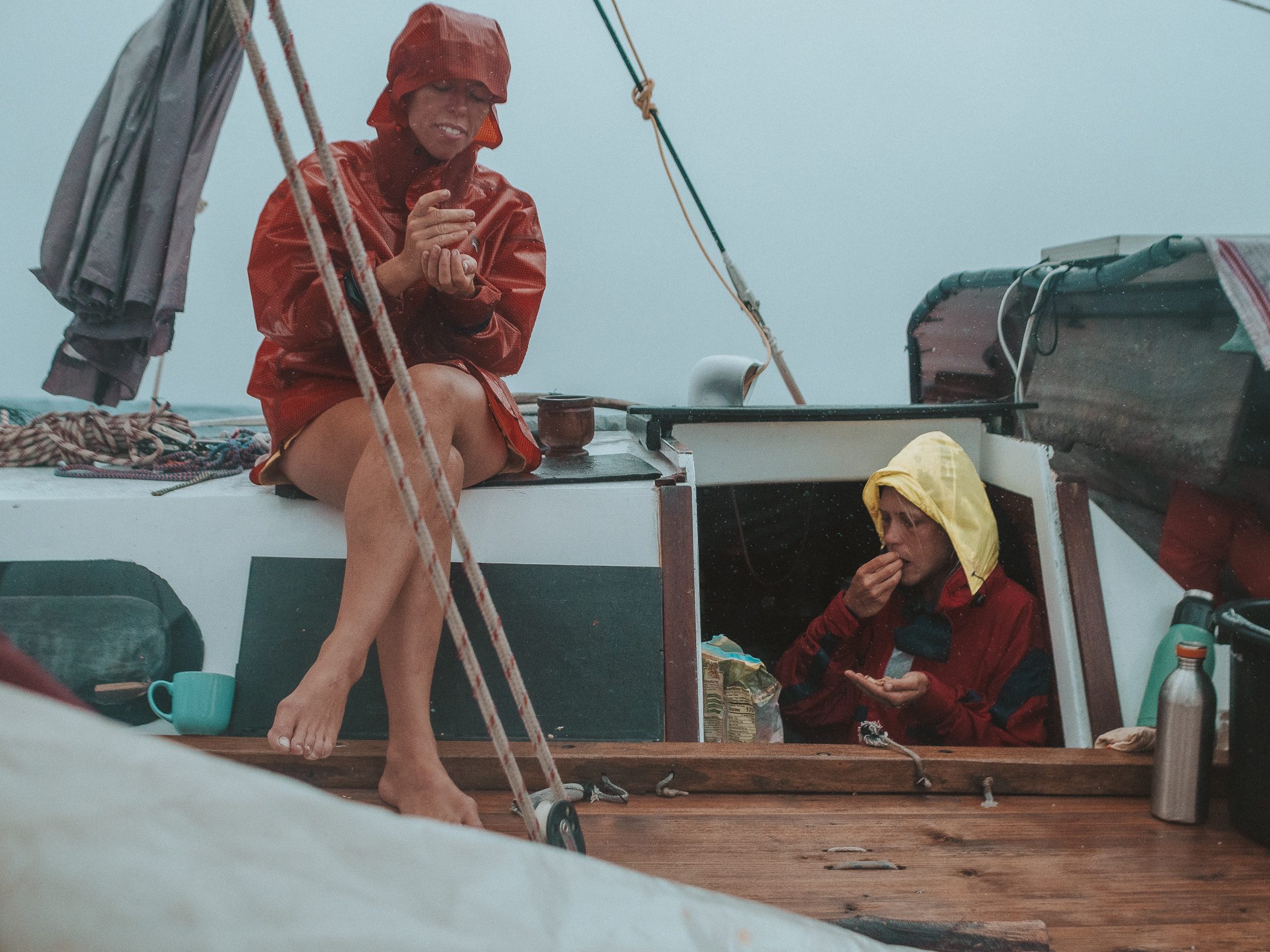
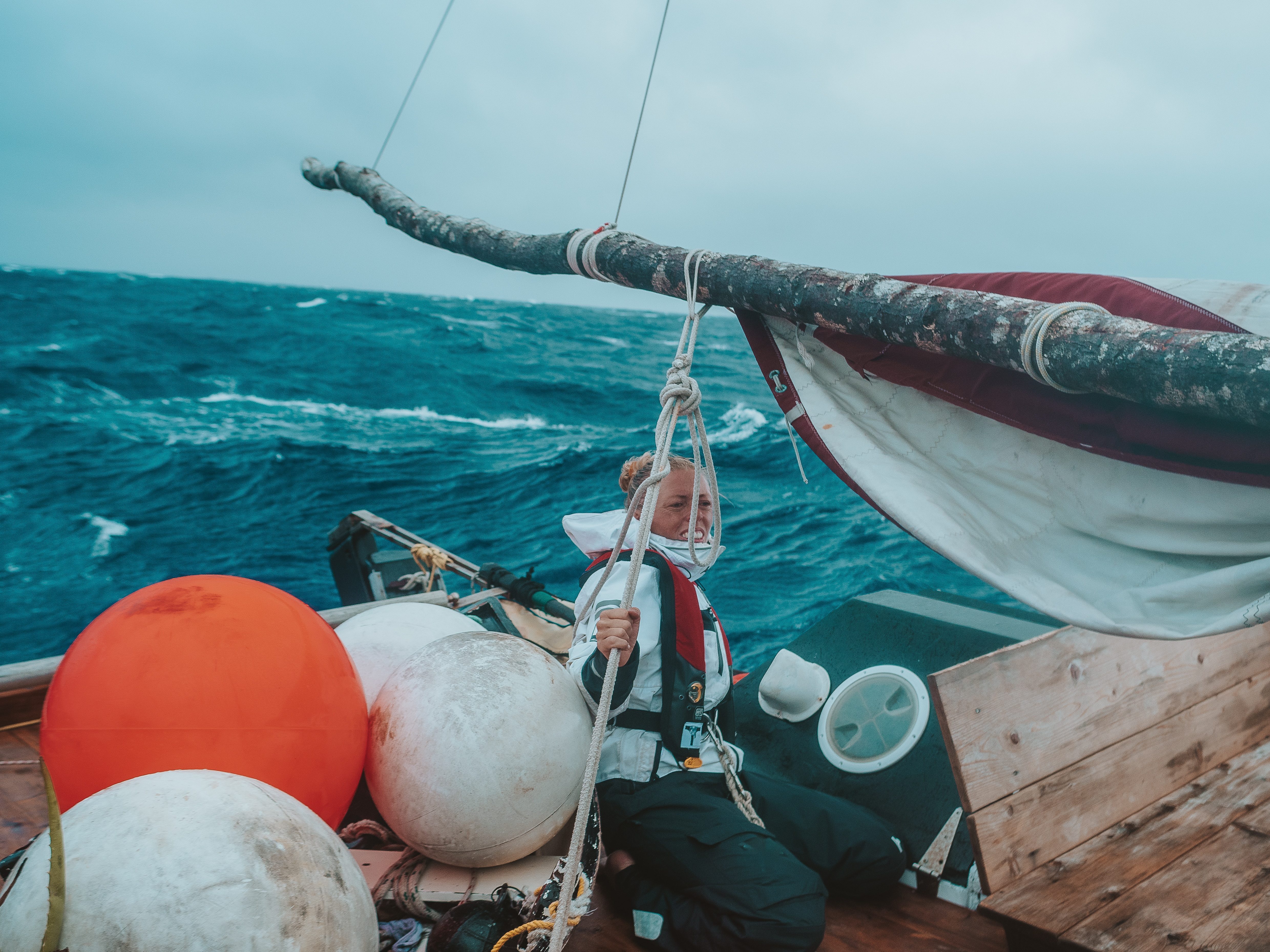
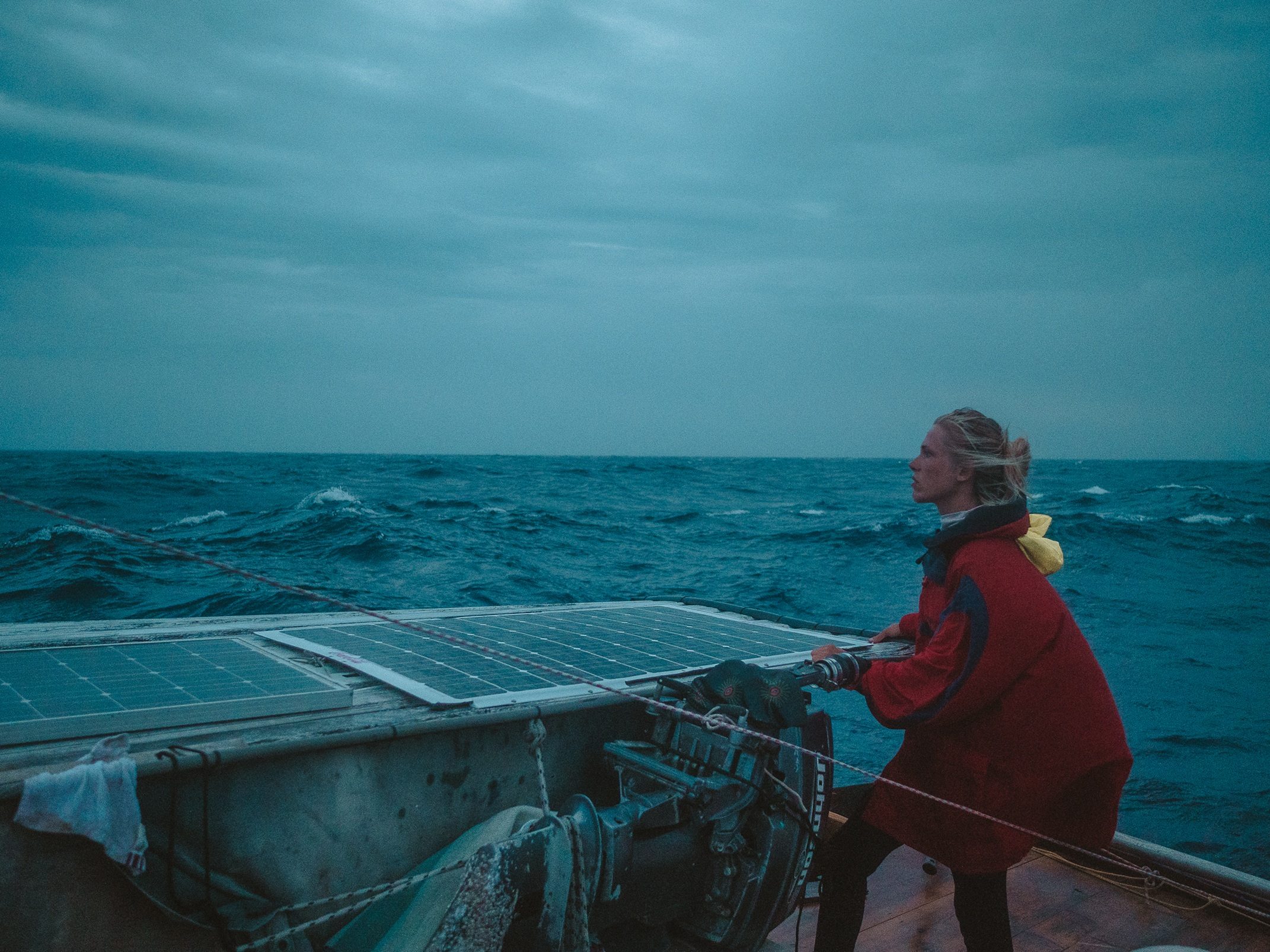
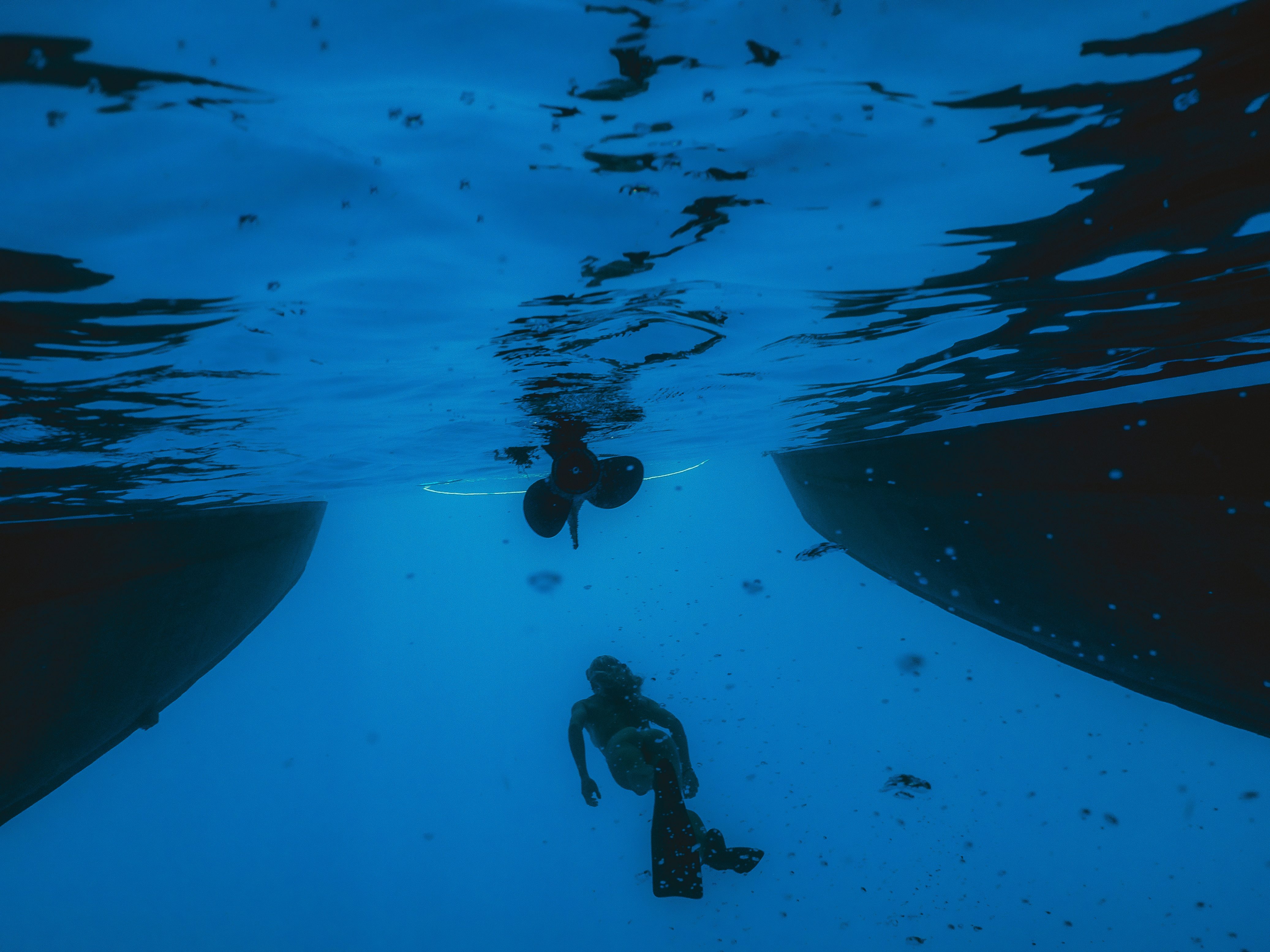
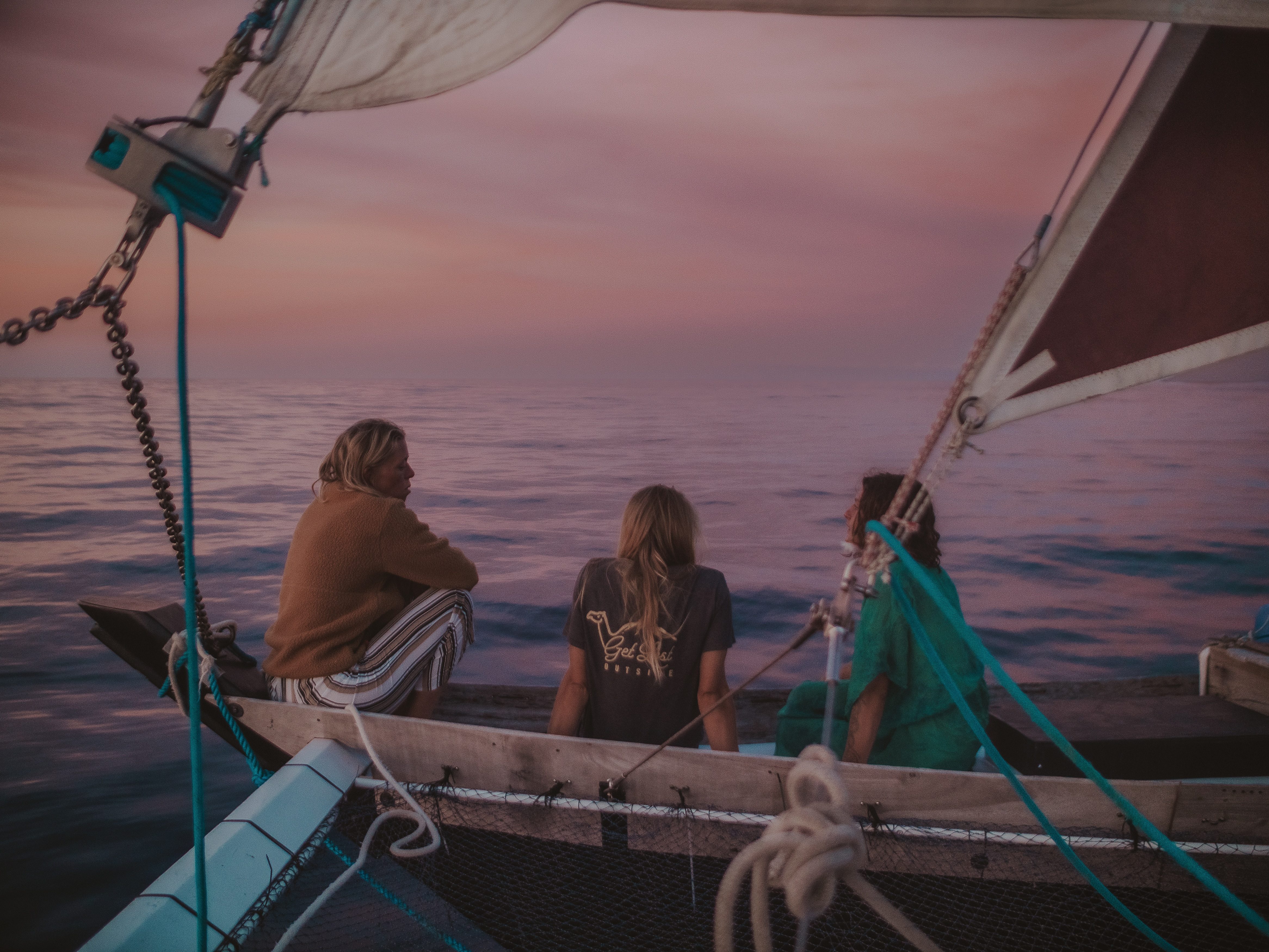
When sailors Kiana and Lærke set out to cross the North Atlantic on a 50-foot Polynesian double canoe, they ventured into one of the planet’s most unpredictable seas.
Their goal was not only to complete the 28-day passage aboard Mara Noka, but to listen to what the ocean itself had to say: the rhythm of wind and water, the beauty of its untamed power, and the unsettling evidence of humanity’s footprint drifting on its surface.
Together with Dominican filmmaker Alizé Jireh, they turned this voyage into Women & the Wind — a story of endurance, beauty, and a changing ocean, where awe and fragility coexist in every wave.
Their journey began years earlier, when Kiana bought Mara Noka in 2018. Just before the COVID pandemic began, she met Danish artist, surfer, and ocean conservationist Lærke while sailing through the Canary Islands after her first Atlantic crossing.
Following Kiana’s second Atlantic crossing to the Caribbean and her onward journey to Florida, Lærke finally joined her in the boatyard in 2021 — marking the beginning of their shared adventure: Women & the Wind.
Over the course of fourteen months, they restored the wooden catamaran and prepared for a voyage that would test their limits and convey a message of resilience, female leadership, and plastic-conscious exploration.
Emilia from the Conscious-Explorer-Team sat down with Kiana and Lærke to hear about their voyage, their insights on plastic pollution, and the future plans for Women & the Wind.
Being present, being alive
If you had to describe your transatlantic journey in three words, what would they be?
Lærke: Being present. You’re just completely there — nowhere else to be. And beautiful, even though that word feels too small for what we saw. And life-changing. Definitely.
Kiana: For me, it’s accomplishment. After that exhausting boatyard year, just seeing Mara Noka not only float but fly. Then connection to the ocean, to each other. And finally saudade. It’s a Portuguese word that means a kind of longing: at sea, you long for land; on land, you long for the sea again.
Supporting women who dare to explore
The Women & the Wind Foundation is already supporting women-led adventure and conservation projects — who do you work with, and what are the plans for the future?
Kiana: We’ve actually been an organisation since 2021, and this idea was always part of the plan — that the film would help us launch something bigger. Next year we’ll officially start our programs, but right now we’re running a beta Ambassador Program with 13 women – scientists, sailors, conservationists, artists — all working on projects that connect exploration with environmental impact. It’s about building a network where people can share resources, experiences, and contacts. Someone always knows a person you don’t, or has solved a problem you’re just facing.
The idea was always that 50% of the profits would go back into supporting other women-led projects. But we wanted to make sure we did it in a way that was meaningful, not just symbolic. So we began developing programs that help women at every stage of an idea: from the first spark of a dream, through planning and fundraising, all the way to the final execution and storytelling of their adventure.
Next year, we’re expanding into mentorship programs and a webinar series that follows the life cycle of a project: everything from shaping your story and purpose to logistics, safety, and post-production. We want these sessions to be free and accessible to the public, while also offering special workshops and mentorships for our members.
By 2027, we’ll start offering small grants to help fund high-risk, first-time projects. Whether that involves crossing an ocean, launching a scientific expedition, or creating a documentary. Part of that funding will also go toward an emergency relief fund for women out in the field, in case something unexpected or dangerous happens.
It’s all about creating the kind of support system we wished we’d had when we started Women and the Wind — a space that says, yes, you can do this, and helps make it possible.
Plastic in paradise
What did you observe during your journey about the ocean itself — especially regarding plastic pollution?
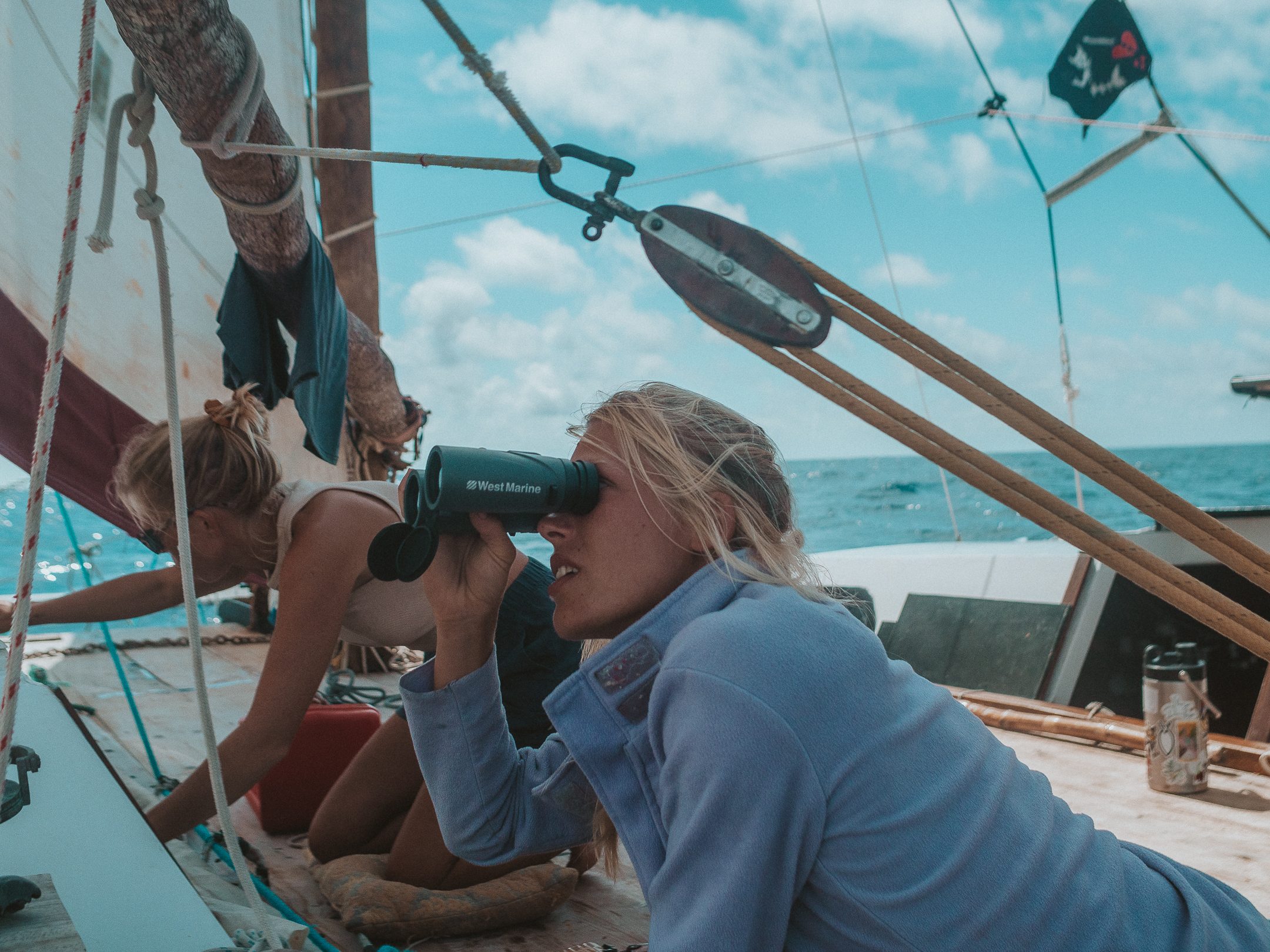
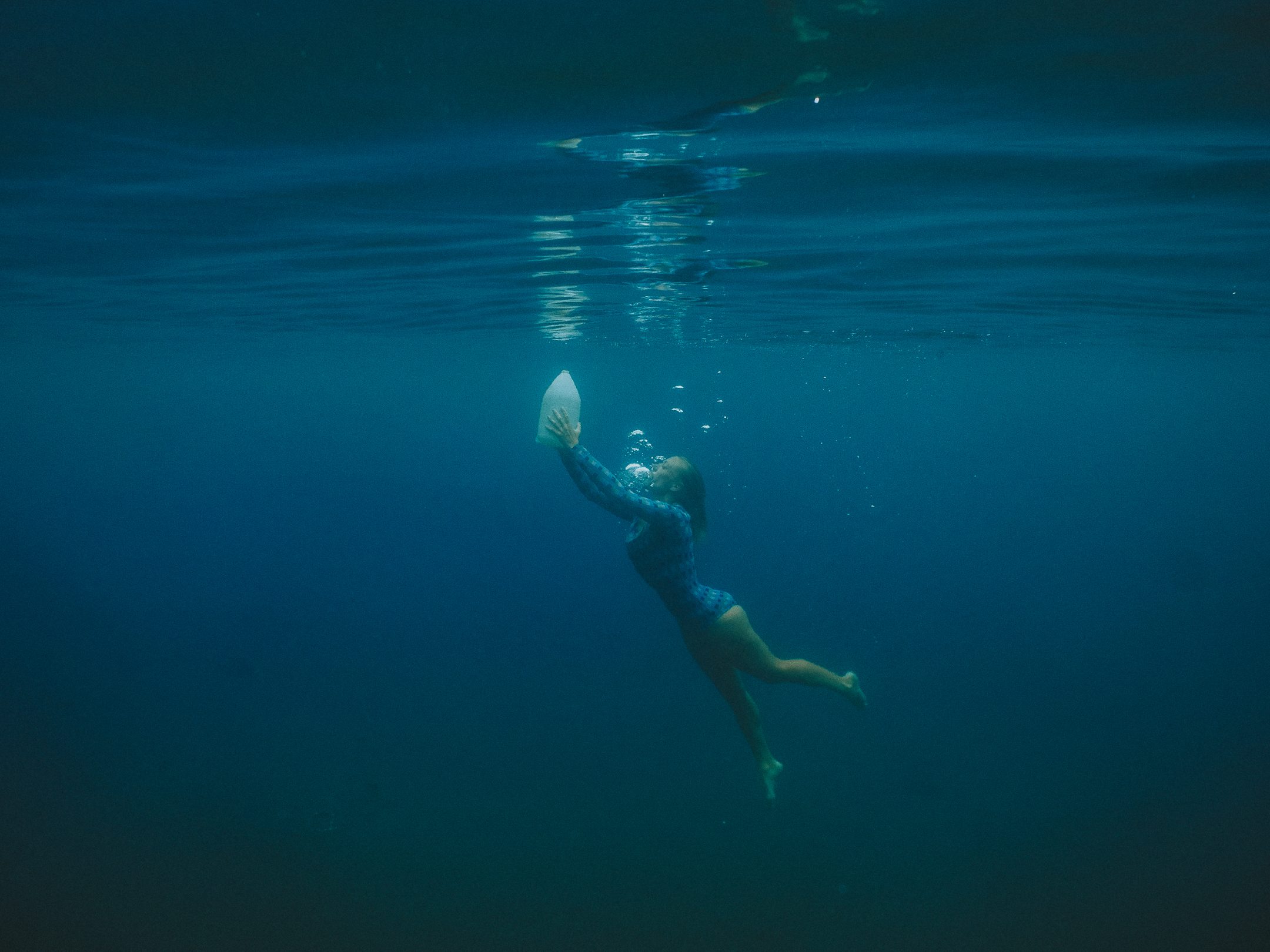
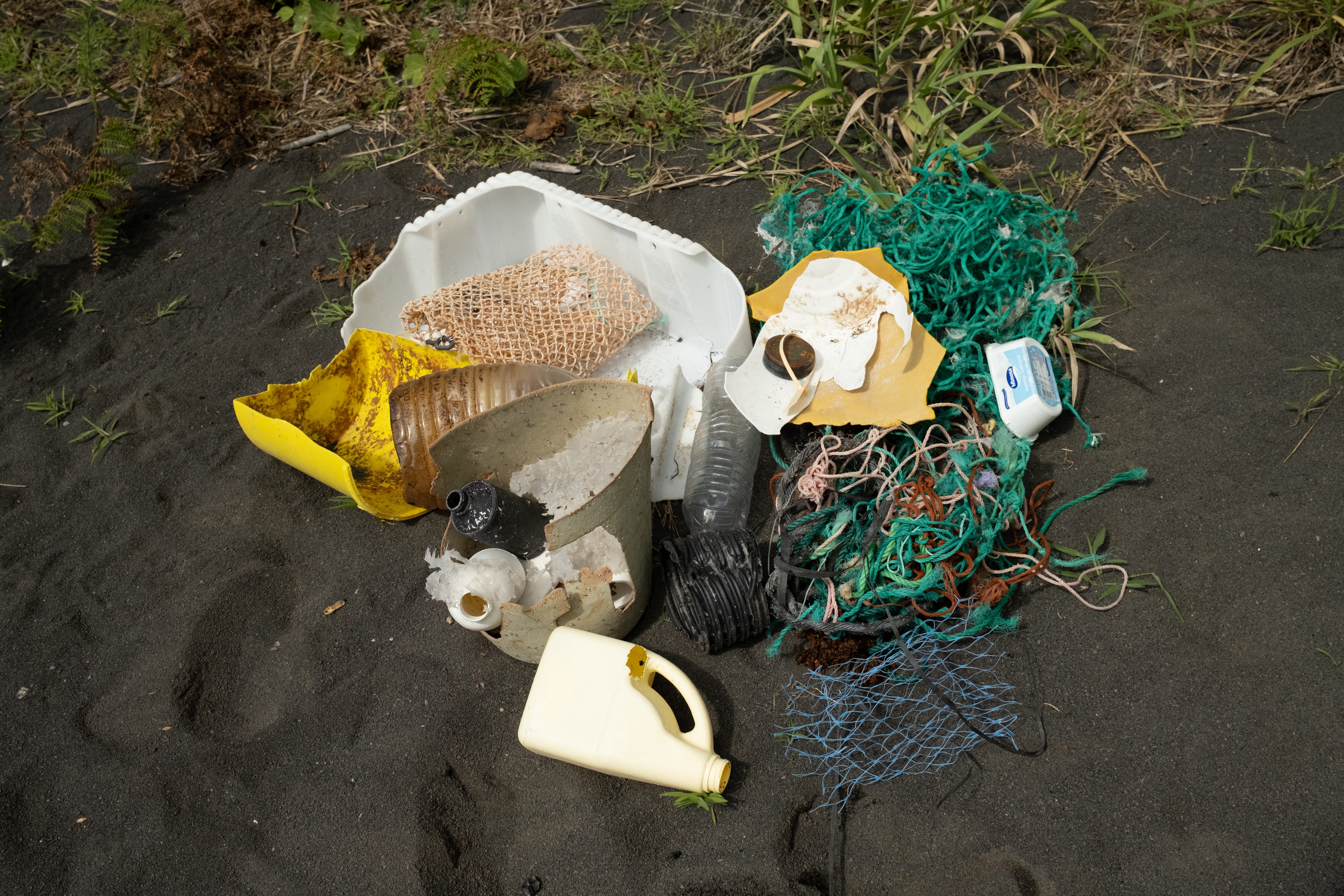
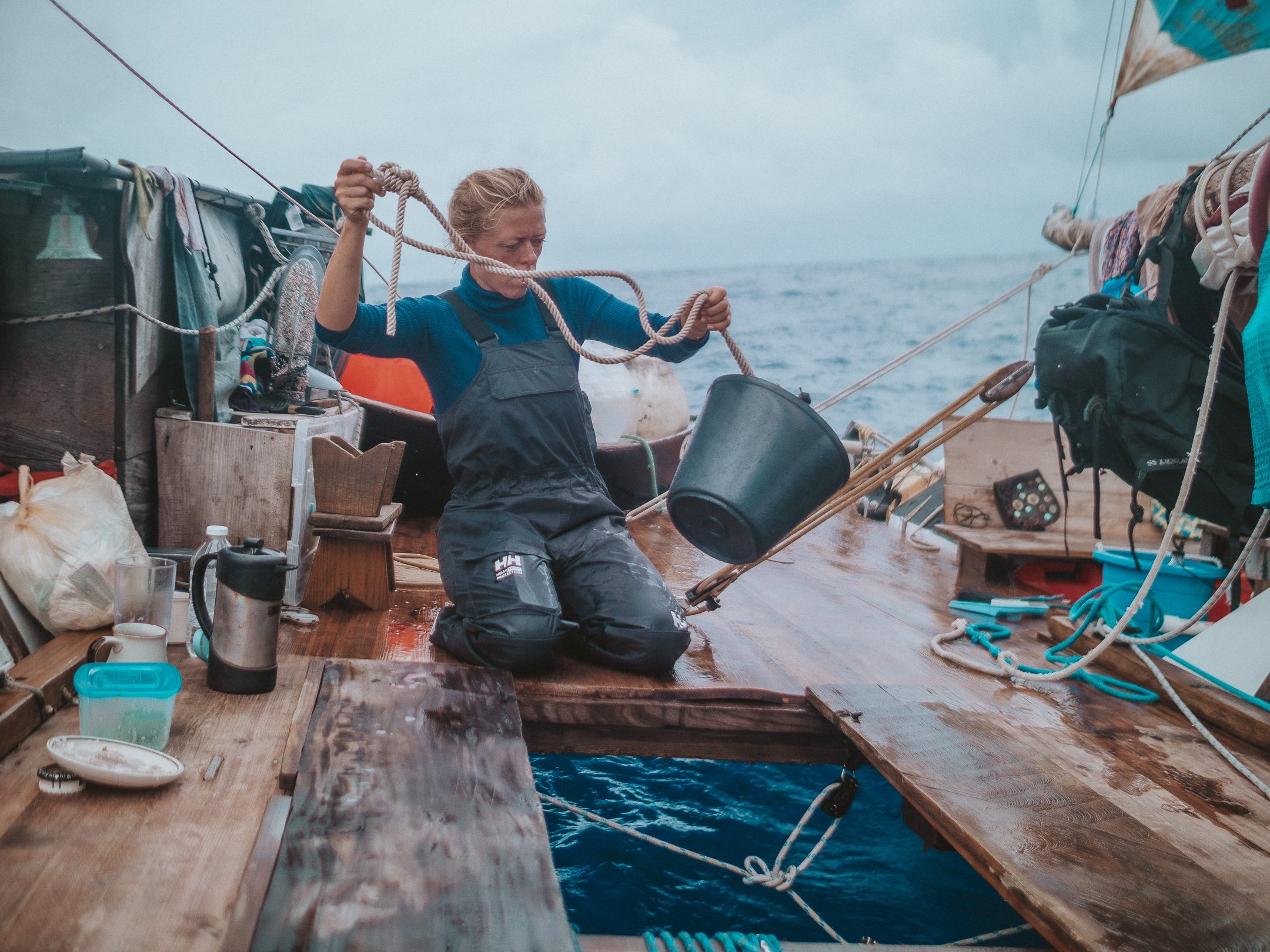
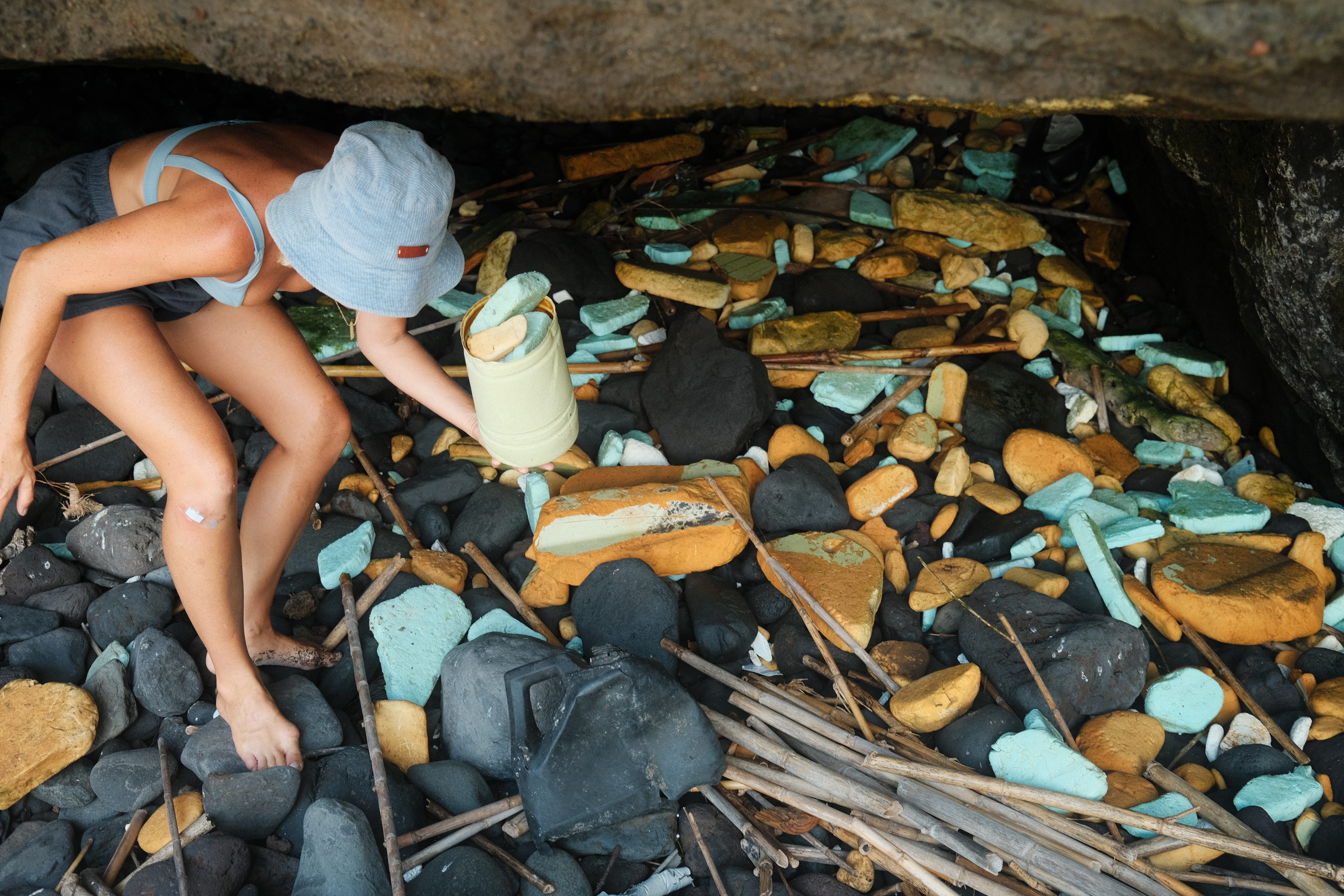
Lærke: Kiana had already crossed the Atlantic twice before, but for me it was my first time. And even though I knew about ocean pollution, it was still shocking to see plastic every single day, even out in the middle of nowhere. We didn’t see a single other boat or human being for days. Yet every time you looked out, there was something floating by. It’s one thing to see plastic wash up on the beach; it’s another to see it drifting thousands of kilometres from land. It really hit me how widespread it all is.
Kiana: Yeah. When you see it on a beach, it’s easy to think, ”oh, these people left their trash here”. You can blame someone. But when you see plastic in the middle of the Atlantic, there’s no one to blame. It’s just there, part of the system. That’s when it really sinks in that this is a global problem.
In the Canary Islands, we often find bottles from all over the world, carried by strong ocean currents. So you realise the ocean isn’t separating us; it’s connecting all our waste together. Out there, you really feel like you’re part of one big floating planet. And sometimes you even find the strangest things. After another crossing, when I arrived in Madeira from the Azores, I found a toilet seat floating in the water. I was so surprised but also excited — I still have it.
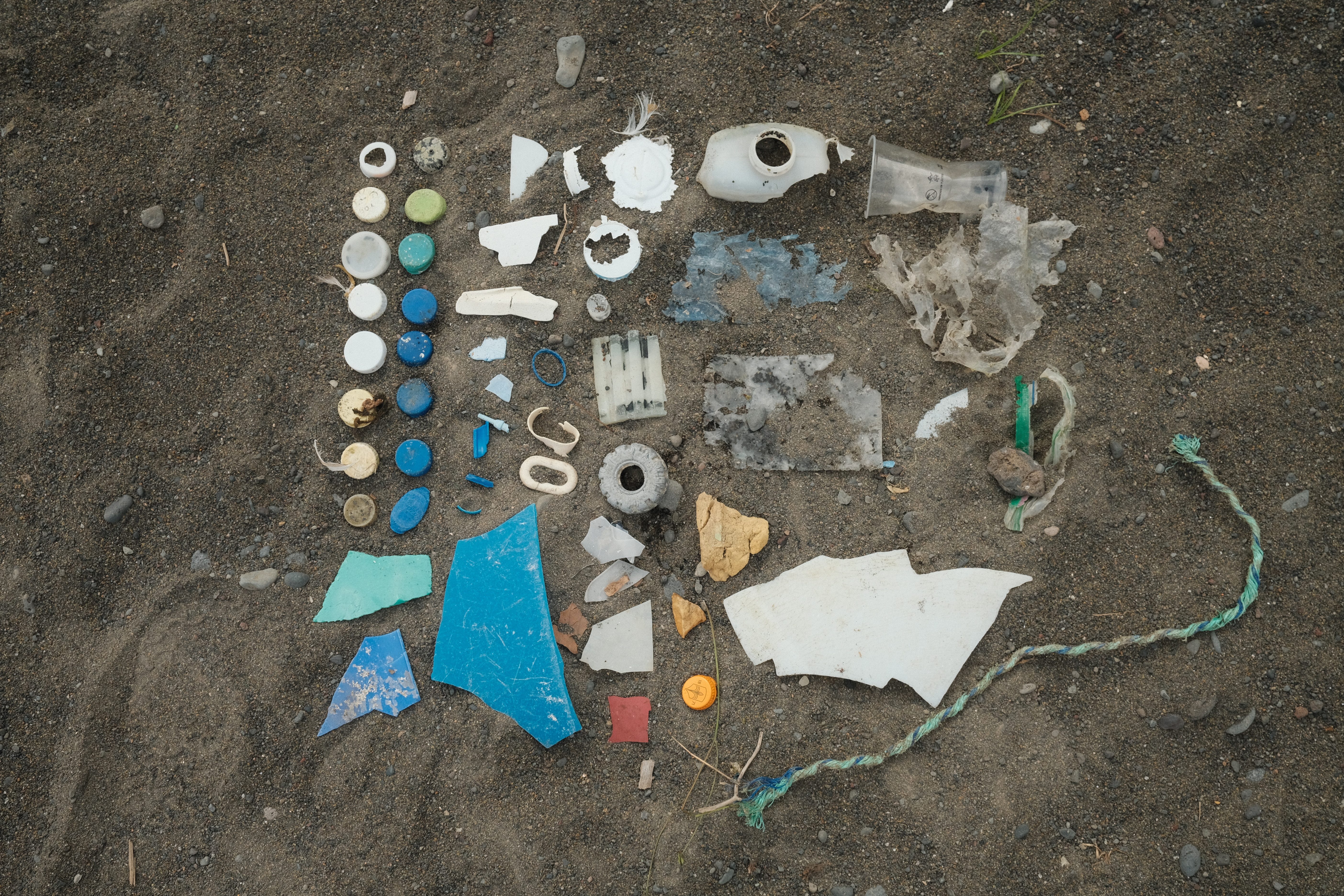
Lærke: That reminds me of something that happened before our project even started. During the lockdown, I was walking along a beach in Fuerteventura and found over 40 plastic bottles from all over the world. One of them was this American beer bottle, and it stuck with me. Later, when we were visiting a friend before the voyage, I suddenly saw that same brand again — on his boat, across the Atlantic. It felt like a full-circle moment, seeing the same kind of trash from both sides of the ocean. That was when I realised: the sea has no borders.
Grasping an idea of what the ocean hides
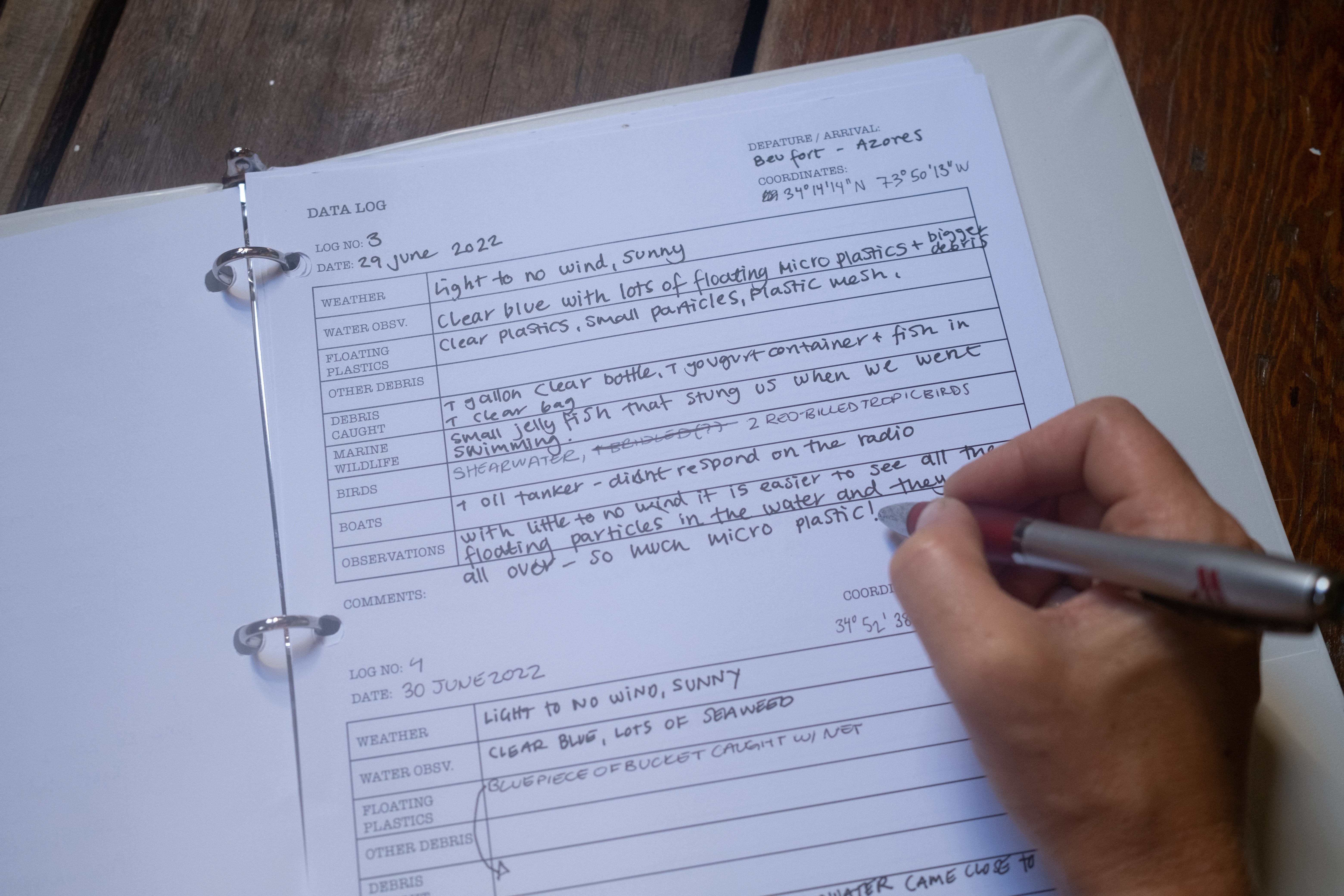
You took care of a plastic logbook during the voyage. Was there anything surprising that didn’t make it into the documentary?
Lærke: Of course, sometimes there were a lot of waves and wind, so it was limited what you could see. From what floated on the surface, you could see higher pieces of foam or not. In general, most of what we saw was food objects or styrofoam.
One thing I didn’t expect was how much Sargassum and seaweed we would encounter — and many man o’wars (jellyfish) too. We saw them almost every day. I think it was because that year was one of the hottest in the North Atlantic.
Kiana: That also ties into how often we appear naked in the documentary. I did the same crossing in 2019, leaving from the Caribbean instead of the United States, and it was freezing the entire time. At the start, we didn’t have wind for a few days, so it was warm, but mostly I always had clothes on.
In 2022, the crossing was hot. Even when it was stormy, it wasn’t cold — we’d put jackets on when wet and windy, but overall it wasn’t cold. That says a lot about how much the ocean is changing.
We want to awaken emotion, not guilt
What do you hope viewers take away, especially regarding plastic and our responsibility?
Lærke: I hope the film evokes a sense of urgency. It’s about shaking people out of the routine of producing waste and realising that change requires effort. I hope it encourages people to rethink aspects of their lives, reconnect with nature, and follow their dreams — and that ethical awareness about things like plastic pollution naturally follows.
Kiana: Even when we were stuck with no wind in the North Atlantic, we saw a surprising amount of floating trash. People often think of the “garbage patches” in the Pacific, where plastic accumulates in visible quantities. The Atlantic is different: it has fast-moving current systems, like the North Atlantic Gyre. Trash there doesn’t just float on the surface; it gets broken down faster into smaller pieces and is distributed throughout the water column.
Plastic pollution in the Atlantic affects the entire sea, from the surface all the way to the seafloor. In fact, studies show that less than 1%, around 0,5%, of ocean plastic is actually visible floating on the surface — that includes microplastics in the water column, plastic on the seafloor, and waste carried in currents or trapped on beaches. So even seeing the amount of plastic floating in calm moments was striking.
The film isn’t trying to overwhelm people with facts; it’s meant to evoke understanding and awareness. Education is essential, but so is connecting emotionally with the reality of the ocean.
The toothbrush I had when I was eight is still out there
What do you think needs more attention in ocean protection right now?
Lærke: Honestly, it’s overwhelming. There’s such a lack of protective measures for the ocean, and in many places, bottom trawling is still basically unregulated. Marine protected areas are still very few. And when it comes to plastic, we talk about the problem endlessly, yet keep producing more and more and more.
If we continue like we are doing today, plastic productions will triple by 2060 and that is very alarming. Recycling and reducing are discussed constantly, but really, what we need is to stop production at the source.
Kiana: I love reminding people, like my grandmother, that she grew up without plastic. No plastic bags, almost nothing disposable — not even glass in some places.
Lærke: That inspired our pilot project for the Women & the Wind Foundation: Grannies Against Plastic. We’re still developing it, trying to unite Kiana’s grandmother with other grandmothers to act as advocates.
Kiana: I still hope this can grow — grandmothers and granddaughters working together, kind of like a “Girl Scouts for sustainability.” They could go out into communities to explain the realities of recycling: what actually gets recycled, what doesn’t, and practical ways to reduce waste. It gives them a way to act together and create impact.
Emilia: It’s alarming to think that in just two generations, the problem emerged so dramatically. It should, in theory, be possible to reverse it. This isn’t a centuries-old problem — it’s very recent.
Kiana: Yes, and I have hope for the newer generation. Change is already happening: even ten years ago, you couldn’t find alternatives in stores. Now, even in places like Brazil, you can buy shampoo bars in small stores. It’s proof that things can change. I have the feeling that the older generation that grew up before the “flip to plastic” often holds back progress, but it feels like an evolution — the flip can happen again.
Lærke: Being on a boat highlights all of this. It forces you to be hyper-aware of your footprint and the things you create, because you have to carry everything with you. One of the big problems today is disconnection: we throw something in a bin and forget about it. But it doesn’t disappear — the toothbrush I had when I was eight? It’s still out there somewhere. It’s creepy, but it really brings home how long-lasting plastic is.
We want marine life to exist again
Are there places or species that feel especially personal to you and that you want to protect?
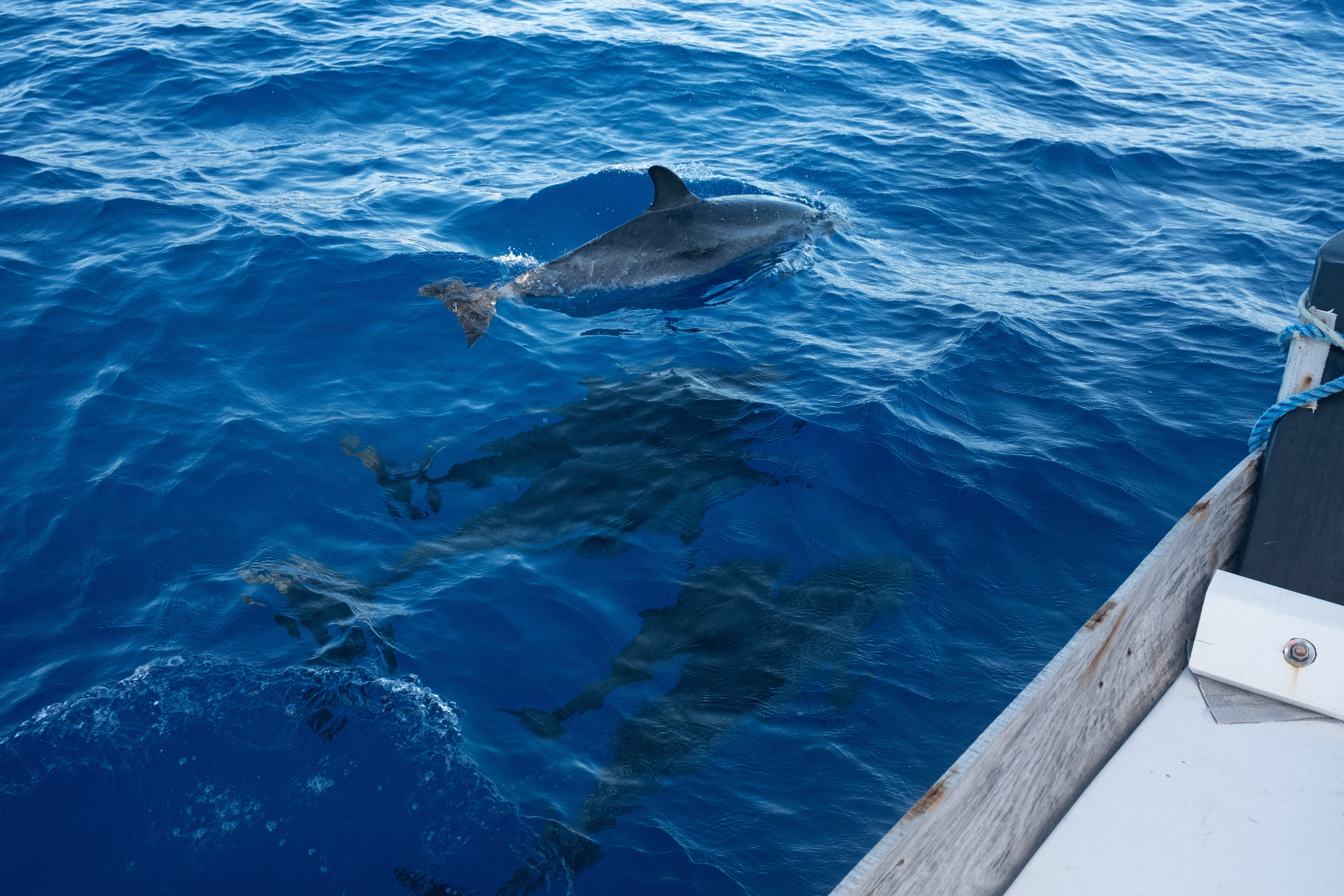
Lærke: The Bay of Corralejo in Fuerteventura — where Kiana and I met. It’s a fragile, beautiful place now threatened by a harbour expansion. We've been working here with Clean Ocean Project, and there are actually a lot of endangered species that live in this bay, especially the angel shark, which doesn't really live in many places in Europe anymore. So for me, that ecosystem that we have there in the bay is something that I care about a lot.
Kiana: I’ve spent most of my life in the Atlantic and Caribbean, but I’ve never been to the Pacific. Most of my diving and snorkelling has shown me areas with very little life. I’ve rarely seen a truly healthy coral reef. The closest might be Île Fourchue in St. Barts, which is very protected — lots of turtles and some marine life — but even there, you see dead or bleached coral. Spending a month in Haiti, I witnessed overfishing firsthand. It’s shocking how quickly life can die and disappear…
Emilia: I agree, but still, there is hope. Many organisations are working on marine conservation like coral restoration or using 3D printing to combat coral bleaching while also protecting marine life. Hopefully, both you and future generations will have the chance to experience diverse marine life again.
Kiana: Exactly! It would be amazing if the next generation could see so much more than I ever have, instead of losing what’s left. That would be incredible.
Caring starts with awareness, and awareness leads to action
If you could implement one rule everyone naturally followed, what would it be?
Lærke: I would stop Coca-Cola along with other big corporations. They’re one of the biggest polluters, and they own so many other brands that people don’t even realise. Avoiding them is a simple but significant way not to support companies that cause major problems. More generally, just be conscious of where your money goes. Especially with products you buy regularly — is that the company you really want to support?
Kiana: It’s tricky because you might support a cool, small brand for years, and then it gets bought out by one of these big corporations. It happens all the time.
Lærke: Exactly. I love these brands, but then one day, it’s a big beauty brand that owns them. It gives so much more value to a product if it comes directly from a single person.
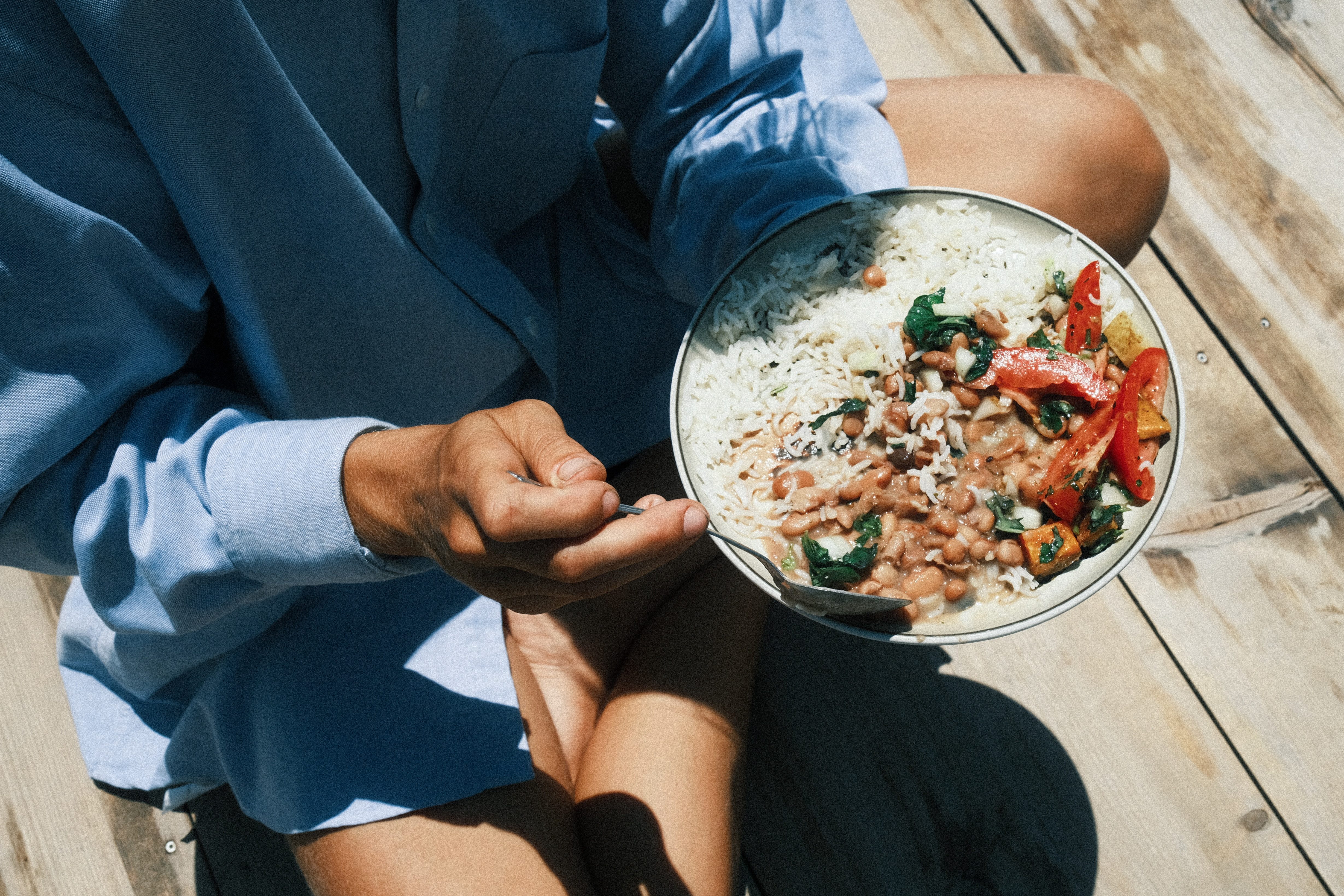
Today, I bought eggs from a local fisherman, and I felt so happy carrying them home — like my babies. I care so much more about these than supermarket eggs. For me, it’s about connection — with the people who make what we use, with the food we eat, and with the planet we share. That’s where real change starts.”
Closing thoughts
Change – whether facing storms at sea or tackling the global challenge of plastic pollution – begins with courage, creativity, and collaboration.
Through Women & the Wind, Lærke, Kiana, and Alizé are showing how exploration can be purposeful, how transformative and beautiful the experience of crossing the Atlantic Ocean is, and how adventure can inspire action. How charting a course can create change.
With Women & the Wind continuing to grow, new women-led projects, expeditions, and initiatives are on the horizon, all designed to give women the tools, resources, and confidence to lead, make a difference, and promote solutions to environmental challenges like plastic pollution.
Their voyage reminds us that challenges are best faced together, that adventure can be a force for change, and that lifting up innovative ideas — and each other — is central to creating meaningful impact.
We are excited to see what the next chapter holds — and how this community will continue to transform curiosity into action, and action into impact.
You can learn more about Women & the Wind here:
Website
Impact Report
Instagram Page
Plastic Logbook
Note: All pictures for digital publications only.
South Africa - A continent in one country
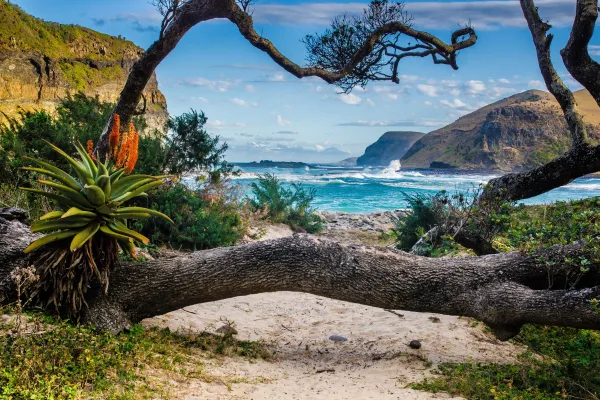
South Africa, a tapestry of wonders awaits—from Cape Town's iconic beauty to Johannesburg's cultural richness, and the wild allure of Kruger National Park.
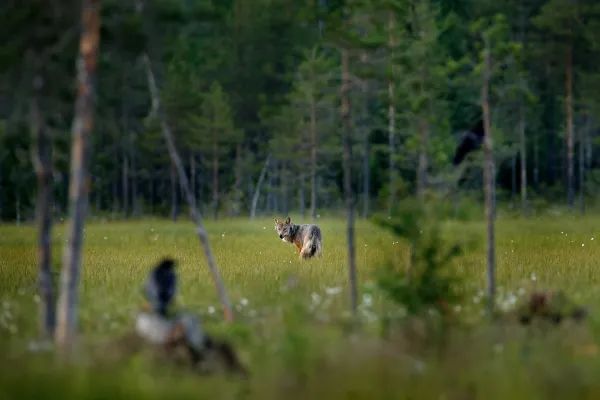
Species Introduction: European wolf
Discover Europe's wild heart as elusive wolves navigate its landscapes. Explore their vital ecological role, and ongoing conservation efforts to secure their future existence – a real testament to nature's delicate balance.
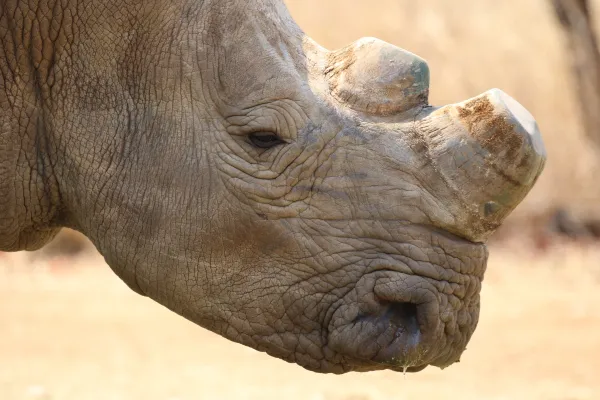
Endangered species: Rhino poaching in Africa
Uncover the urgent battle against rhino poaching, a global crisis threatening these majestic creatures. Join the fight to protect rhinos and preserve biodiversity.
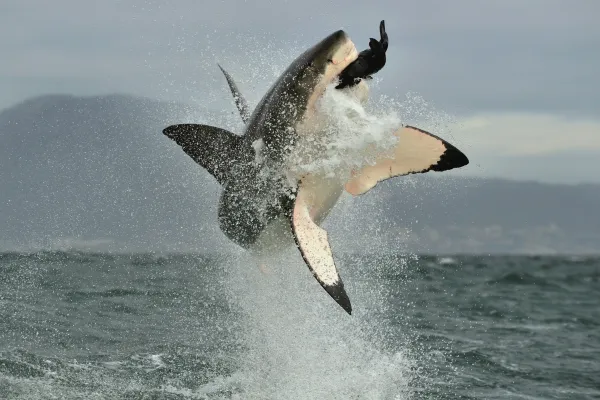
The vanishing of South Africa's white sharks
Part 1: In 2017, Gansbaai lost its title as the "Great White Shark Capital of the World" as South Africa's great white sharks mysteriously disappeared. Find out more.
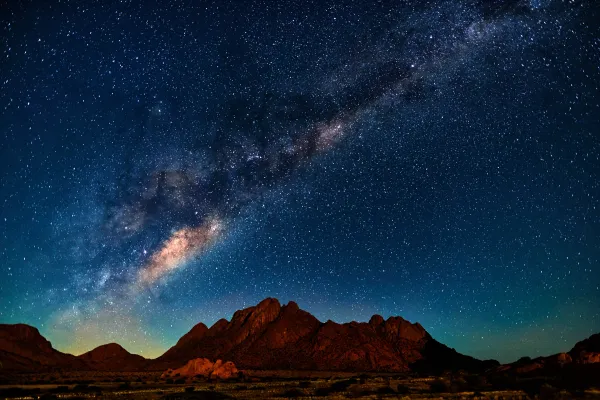
The Big Five of the African night sky
Countless possibilities in the southern sky: A pair of binoculars, a stargazing app and a little imagination are all you need to explore the rich star fields and see the big five.
Mindful travel in Asia
Embark on an intentionally tranquil journey at a gentle pace that suits you. Not only will your experience be a more relaxing one, but you will surely find a deeper appreciation of the places you visit along the way.